Seller Guide Oct 19, 2026
Arizona accepts a properly assigned title or its Title Transfer Bill of Sale for an Arizona-titled vehicle, so a separate generic bill of sale is not always necessary. The buyer must apply for a new title within 15 days of purchase. Use KarKiosk’s free vehicle bill of sale PDF to record the price, payment and agreed sale terms alongside the required ownership documents.
Arizona Bill of Sale Quick Facts
Requirement | Arizona rule |
Official title-transfer bill of sale | Form 38-1306, for vehicles currently titled in Arizona |
Title and registration application | Form 96-0236 |
Buyer’s title deadline | 15 days after purchase |
Seller’s Sold Notice deadline | 10 days after sale |
Tax on a genuine casual private sale | Not subject to sales/use tax; registration-related charges still apply |
Basic title and registration charges | $4 title, $8 registration and $1.50 air-quality research fee, plus applicable VLT and other charges |
License plate | Seller removes it; the old registration expires when ownership transfers |
Emissions | Required for covered vehicles in the Phoenix and Tucson testing areas |
Which Arizona Bill of Sale Form Should You Use?
Form 38-1306 is an ownership-transfer document, not just a payment receipt. It can be used when a vehicle is already titled in Arizona and the seller does not have a paper title, including when the title is held electronically.
The Arizona MVD title-transfer requirements accept a signed vehicle title or this Arizona-specific form. The buyer must still submit the application, resolve any lien requirements and pay the applicable charges.
Form 48-2004 is a separate supporting Bill of Sale. Do not assume that it, or a handwritten receipt, can replace the ownership document required for every transaction.
For a car still titled in California, check the California bill of sale and title requirements before collecting the seller’s paperwork. Arizona’s Form 38-1306 is not a substitute for another state’s title.
What Paperwork Should the Buyer Collect?
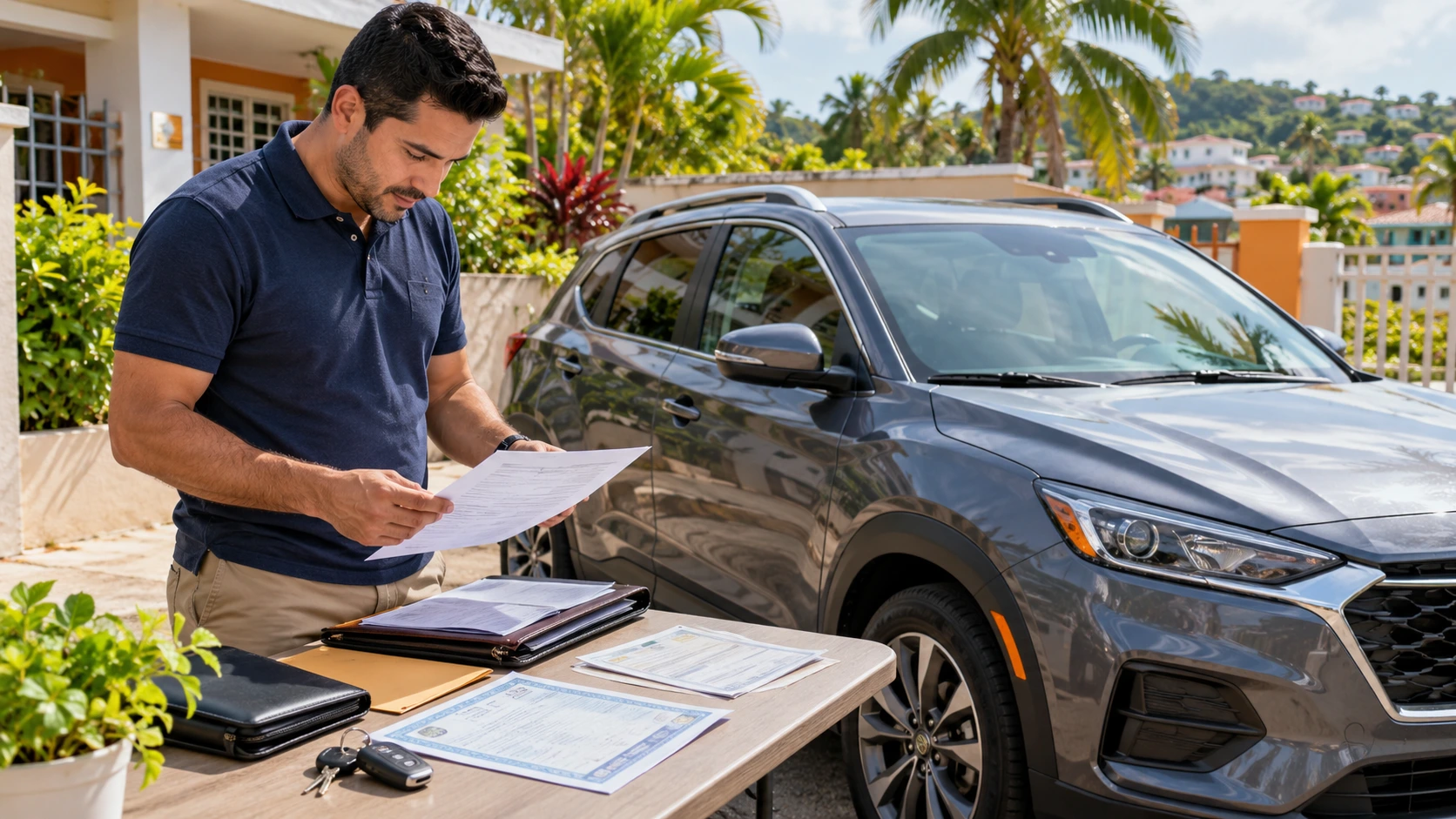
For a standard paper transfer, prepare:
Ownership document: The properly completed title or accepted Form 38-1306.
Application: A completed and signed Form 96-0236.
Lien documentation: A release or other required lender authorization when applicable.
Odometer disclosure: Completed on the title or accepted transfer document when required.
Registration documents: Insurance and emissions compliance, where applicable.
Special authority documents: A power of attorney, estate paperwork or other authorization when someone signs for an owner.
Form 38-1306 also asks for existing Arizona title brands and liens. Check the vehicle record rather than writing “NONE” simply because the seller has not mentioned a problem. The sale document does not erase a lender’s claim or a salvage brand.
Does an Arizona Bill of Sale Need Notarization?
Check the specific form being submitted. ADOT’s instructions require notarization for Forms 38-1306 and 48-2004 when the form contains a notary section. ADOT also accepts versions without notarization when no notary section appears.
Do not alter a form to remove its acknowledgment section. When acknowledgment is required, arrange it before submitting the transfer documents; an eligible electronic transfer uses its own identity-verification process.
Which Owners Must Sign?
For paper ownership documents, the wording between the owners’ names matters:
OR: Either listed owner can generally sign to sell the vehicle.
AND: All listed owners must sign.
AND/OR: All living listed owners must sign; a deceased owner’s interest follows the applicable survivor or estate procedure.
Do not assume a single signature is sufficient because both owners are married or share an address. Also check the online transfer requirements separately; they are not identical to the paper-signature rules.
What Taxes and Fees Apply to a Private Sale?
The Arizona Department of Revenue’s vehicle-tax guidance states:
“Casual sales between private parties are not taxable.”
That treatment applies to a genuine casual private sale, not a dealer purchase described as a private transaction. Keep the bill of sale or other evidence identifying the seller and the transaction.
The tax treatment does not eliminate registration costs. In addition to basic title, registration and air-quality charges, Arizona collects a vehicle license tax, commonly called VLT.
VLT is based on the state’s assessed vehicle value, not simply the amount paid to the seller. The assessment begins with 60% of the manufacturer’s base retail price and decreases under Arizona’s depreciation schedule. The standard used-vehicle rate is $2.89 for each $100 of assessed value.
For example, an assessed value of $6,000 produces $173.40 in annual VLT before other charges. A $6,000 purchase price does not automatically produce that assessment.
What Are the Buyer and Seller Deadlines?
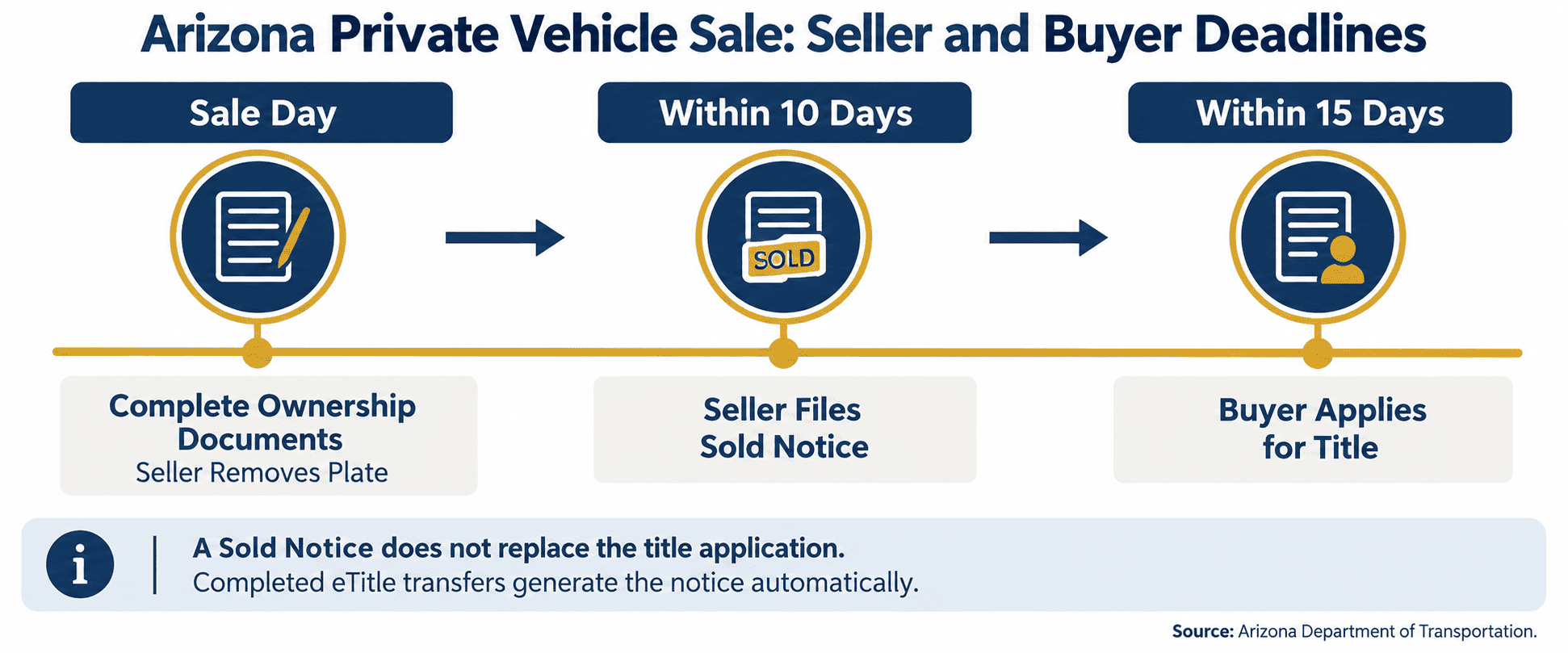
The seller must submit a Sold Notice within 10 days. File it promptly after a paper sale and keep the confirmation. This records the change with MVD but does not issue a title to the buyer.
The buyer must apply for title within 15 days, even if the vehicle is parked or awaiting repairs. For late in-state title transfers, MVD lists an initial $8 penalty, an additional $4 for each subsequent delinquent month and a $100 maximum. That particular penalty does not apply to transfers of out-of-state titles.
The filing deadline is not permission to drive on the seller’s registration. Arrange valid registration or an appropriate permit before using the car on public roads.
What Happens to the Plate, and How Can the Buyer Drive Home?
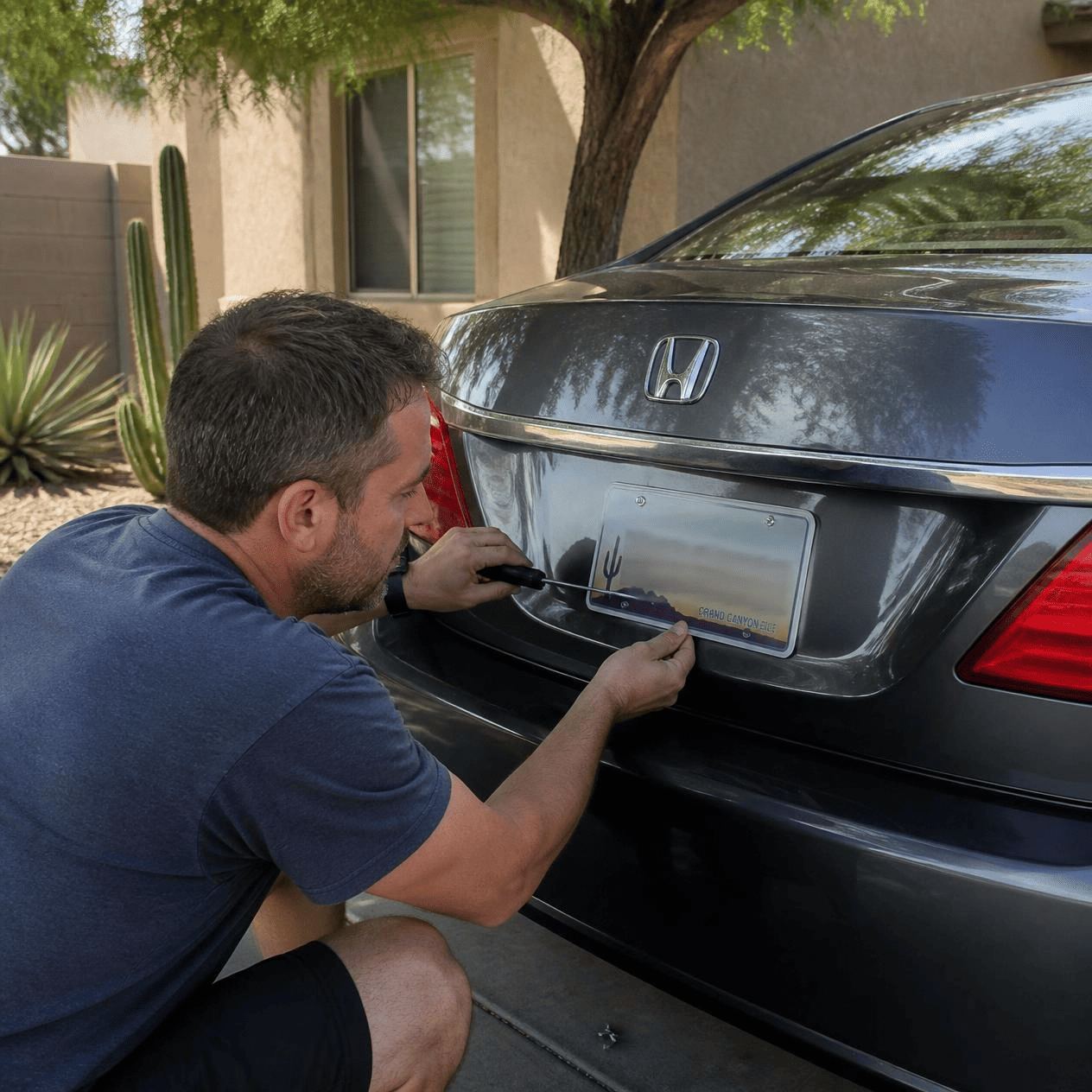
The seller removes the license plate before handing over the vehicle. Arizona’s existing registration expires when ownership changes, so leaving the seller’s plate attached does not give the buyer valid registration.
Permit options serve different purposes:
Restricted Use 3-Day Permit — $1: For authorized inspection, emissions, compliance-repair or registration-related trips, not ordinary daily driving.
30-Day General Use Permit — $15: Allows general vehicle operation; limited to one permit per vehicle within 12 months.
90-Day Nonresident Drive-Out Permit — $15: For an eligible purchaser taking the vehicle out of Arizona for registration elsewhere.
A buyer taking the car home to Utah should also review the Utah bill of sale and registration requirements. An Arizona drive-out permit does not complete the destination state’s title or registration process.
Can the Sale Be Completed Through eTitle Transfer?
Eligible transactions can be completed through AZ MVD Now. The in-state service generally requires an Arizona-titled and registered passenger vehicle, no liens, eligible vehicle and owner records, and authenticated accounts for both parties.
Check eligibility before separately filing a Sold Notice. An existing Sold Notice prevents use of the in-state eTitle process. A completed eligible eTitle transfer generates the notice automatically.
When two sellers are listed, both must complete the required online release steps. A receipt, payment confirmation or unfinished online transaction is not proof that the title transfer is complete.
Arizona also supports electronic transfers involving participating other states. Eligibility differs from the in-state service, and an incoming buyer may still need an MVD visit to complete registration.
Does the Car Need an Emissions Test?
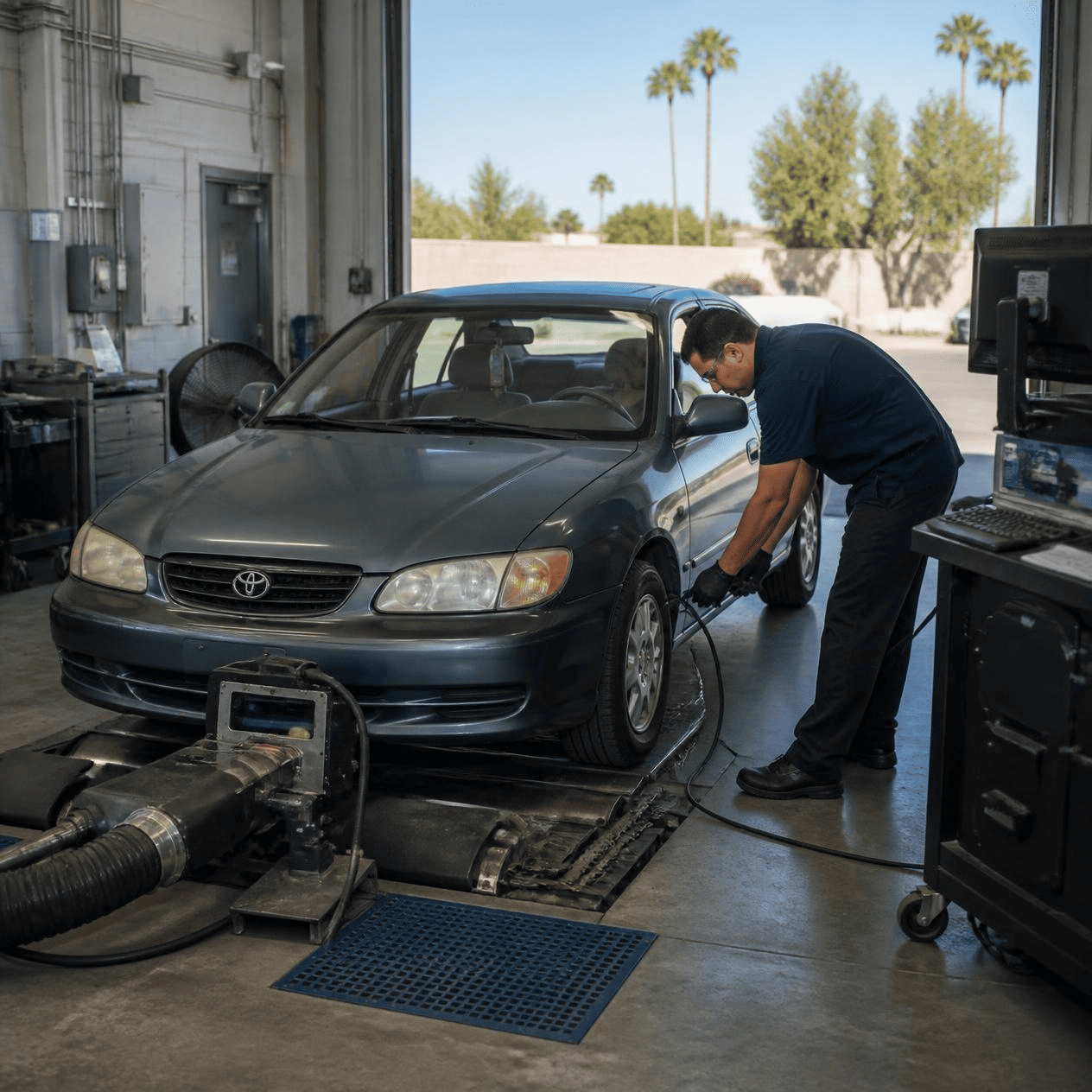
Arizona’s emissions program covers the Phoenix and Tucson testing areas, including certain vehicles used to commute into those areas. The vehicle’s age, fuel type, weight and exemptions affect whether testing is required.
Check the buyer’s registration and use location, not just the seller’s address. A car purchased in a rural county may need testing when registered or regularly used in a covered metropolitan area.
Complete any required test before the registration visit. A signed bill of sale does not waive an emissions requirement.