Seller Guide Oct 19, 2026
Selling a car privately in Alaska means getting four things right: the vehicle, the paperwork, the buyer, and the handoff location. Alaska sellers must properly assign the title, report the transfer to the DMV within 10 days, and account for practical issues such as winter equipment and vehicle transportation that can matter far more here than in most states.
You can sell your car privately in Alaska with KarKiosk, where you can create your listing, show buyers the vehicle clearly, manage offers, communicate securely, and schedule test drives from one place.
In Alaska, Where the Car Is Located Can Matter Almost as Much as What It Is
Location is not a small detail in an Alaska private sale.
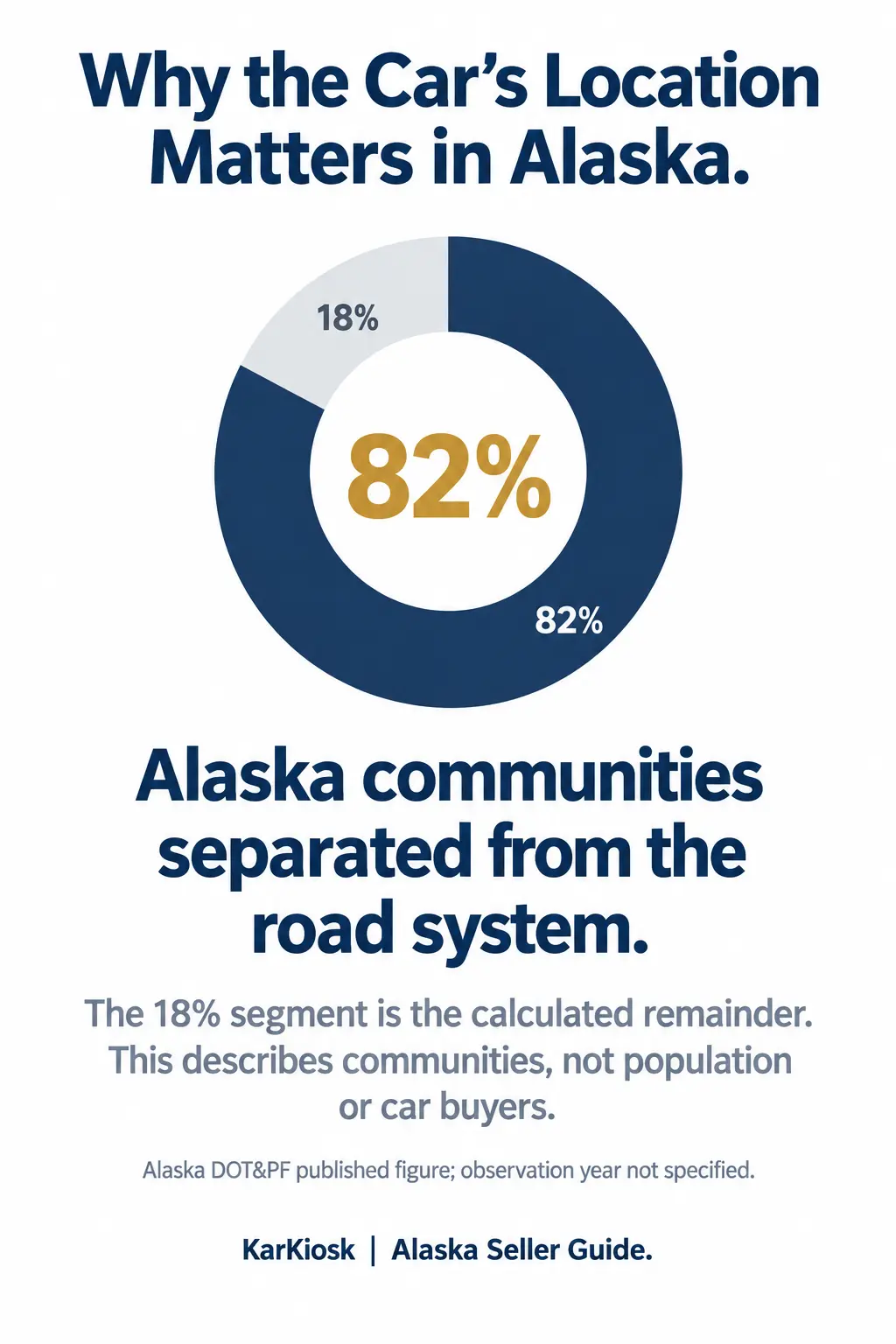
Alaska DOT&PF reports that roughly 82% of Alaska communities are not connected to the road network and rely primarily on air or marine transportation.
That means an interested buyer may not simply drive across town to collect your SUV.
A vehicle located in Anchorage, Fairbanks, Wasilla, Juneau, Kenai, Kodiak, or another community can have a very different practical buyer pool depending on:
Road access.
Ferry or barge availability.
Distance from the buyer.
Shipping or collection cost.
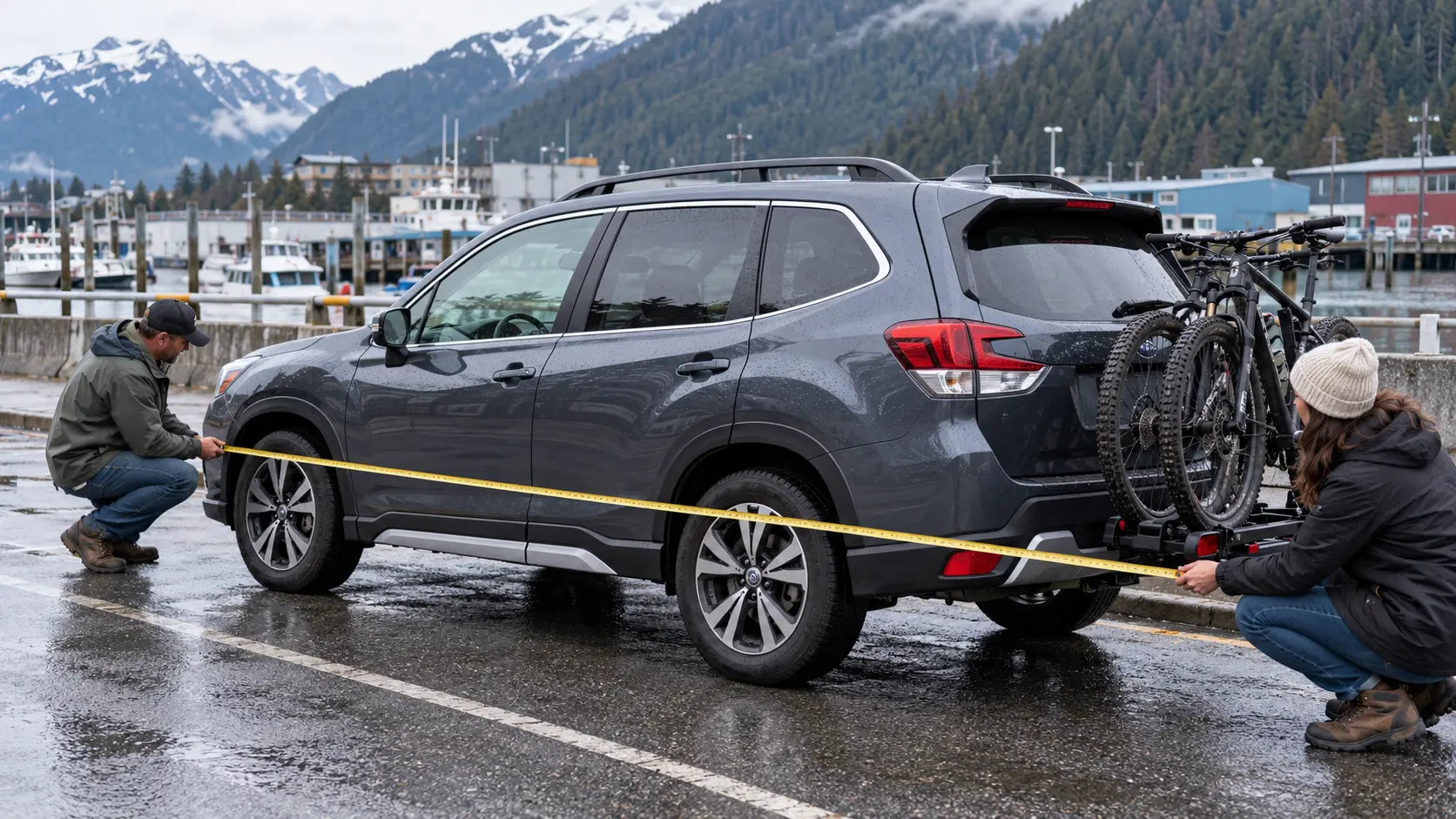
Vehicle dimensions.
Whether extra tires or parts must travel with the vehicle.
Put the vehicle's actual location in the listing and discuss collection logistics before accepting an offer from a distant buyer.
A serious buyer should know exactly where the vehicle is and what it will take to get it home.
Prepare the Paperwork Before You Invite Buyers
Alaska's paperwork is manageable if you prepare it before someone makes an offer.
Waiting until the buyer is ready to leave is when missing signatures, old liens, lost titles, and incomplete odometer sections become expensive delays.
Paperwork and Documents for an Alaska Private Vehicle Sale
Document or Record | Alaska Seller's Job | Why It Matters |
Alaska certificate of title | Properly complete the seller assignment and give the original title to the buyer | The title transfers ownership; a bill of sale alone does not |
Vehicle registration | Keep it available for the transaction and provide it as required with the transfer | Alaska law addresses delivery of title and registration when ownership changes |
Bill of sale | Complete one with the buyer and keep your own copy | Documents the buyer, vehicle, sale date, and transaction |
Odometer disclosure | Complete the title mileage section or applicable disclosure form when required | Incomplete mileage disclosure can prevent title processing |
Lien release | Obtain one when an unreleased lien appears on the ownership record | The buyer needs transferable ownership |
Notice of sale/transfer | Report the buyer and transaction to Alaska DMV | Seller must notify DMV within 10 days |
Maintenance and equipment records | Optional but strongly useful | Supports condition claims and the asking price |
The Title Does the Legal Work, Not the Bill of Sale
Alaska DMV puts the distinction plainly:
“A Bill of Sale is not valid for ownership transfer.”
A bill of sale is still valuable. It gives you written proof of who purchased the vehicle and when possession changed.
For a useful breakdown of what to put on one, see the KarKiosk Alaska Bill of Sale Guide.
Include at least:
Buyer's full name and address.
Seller's full name and address.
Vehicle year, make, and model.
VIN.
Sale date.
Agreed purchase price.
Signatures of both parties.
Keep your own signed copy after the vehicle is gone.
Check Whether the Title Says “AND” or “OR”
This small word can determine whether your sale closes that day.
When multiple owners are shown on an Alaska title:
“OR” between the owners: generally one listed owner can sign to release the vehicle.
“AND” between the owners: all listed owners must sign.
No conjunction or another conjunction: additional signatures may be required.
Do not discover a missing co-owner signature after the buyer has already arrived with payment.
Replace a Lost Title Before Trying to Close the Sale
If the Alaska title has been lost, the owner shown in DMV records must obtain a duplicate before ownership can be transferred.
If another state issued the missing title, the replacement generally has to come from that state.
This is worth solving before the listing goes live.
Arrange the Lien Release Before Completing the Sale Process
If a lender is still recorded against the vehicle, confirm what must happen to release the lien.
Do not describe the vehicle as having a clean transferable title if the lender's interest has not actually been resolved.
If the loan will be paid from the buyer's money, organize the payoff procedure before the final appointment so neither party is improvising with a large payment.
Alaska's Odometer Rule Reaches Further Back Than Many Sellers Expect
The current federal 20-model-year disclosure rule applies to 2011 and newer model-year vehicles.
For a typical 2026 private sale, that means a 2011-or-newer passenger vehicle will generally still require mileage disclosure, while vehicles from model year 2010 and earlier remain exempt under the previous age rule.
If the title does not provide the correct place for disclosure, Alaska DMV provides an odometer disclosure form.
Do not guess the mileage.
Alaska's disclosure form also directs the parties to retain a legible copy for at least four years.
Make the Listing Answer Alaska Buyers' Questions Before They Message You
An effective Alaska listing should do more than identify the year and mileage.
Buyers need to understand whether the vehicle is ready for the conditions in which they plan to use it.
Create an Alaska-Ready Listing
Start with the normal facts:
Year, make, model, and trim.
Mileage.
Asking price.
Title status.
Mechanical condition.
Accident or damage history.
Recent maintenance.
Then add details that may matter more in Alaska.
For example:
AWD or 4WD operation.
Block heater.
Battery age.
Remote start.
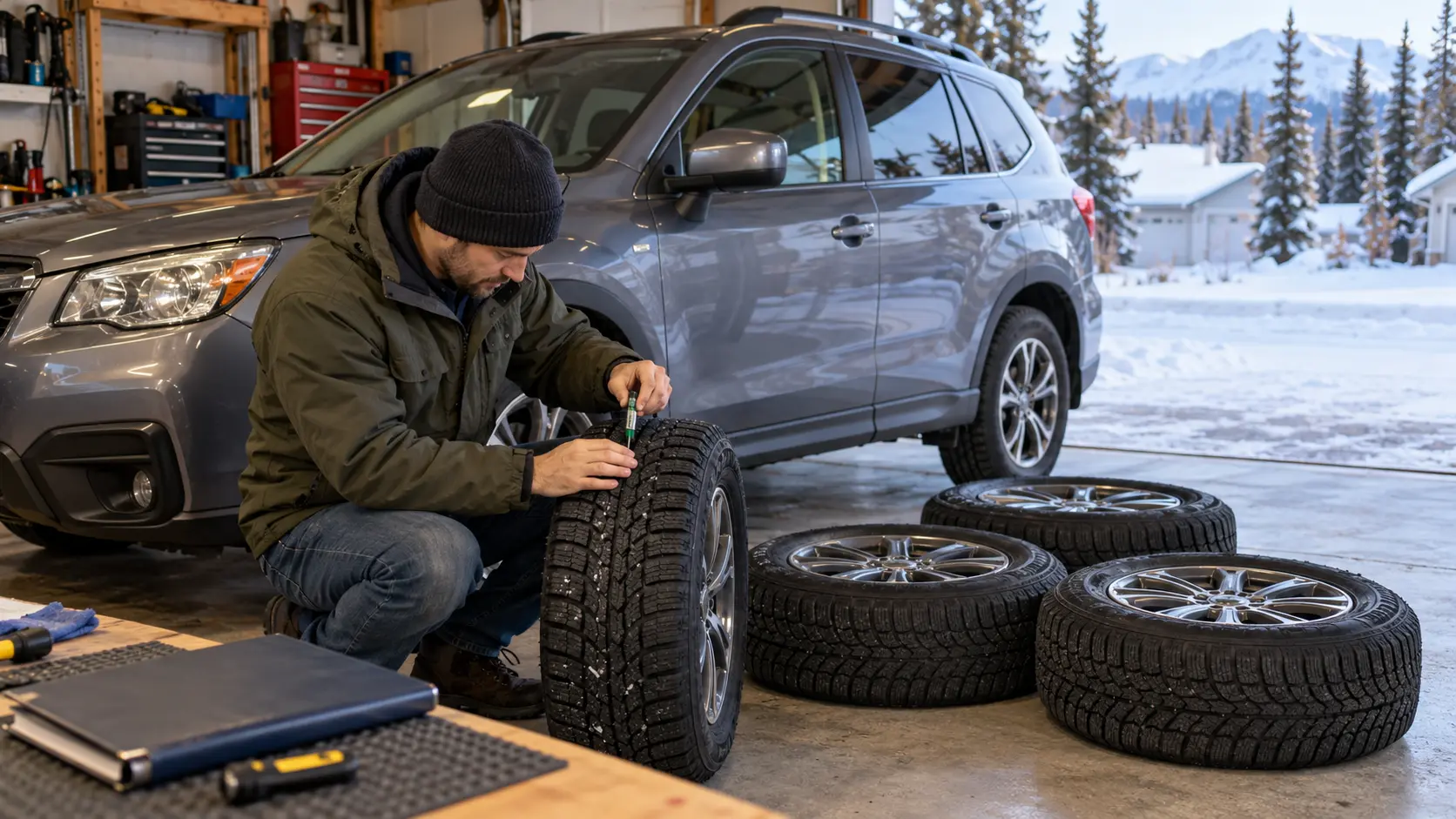
Winter tires or separate wheel set.
Studded or non-studded tires.
Windshield condition.
Heater and defroster performance.
Ground clearance.
Rust or corrosion.
Recent suspension work.
Cold-start behavior.
If four winter wheels are included, say four, not simply “winter tires included.”
If the block heater does not work, disclose it.
Specific details reduce pointless messages and bring you buyers who understand the vehicle.
Upload Photos That Work Like a Remote Inspection
A buyer who lives several hours—or an aircraft or ferry ride—away may use your photos to decide whether an inspection trip makes sense.
KarKiosk lets you upload up to 25 photos, depending on your selected listing plan. Use them to show the vehicle’s condition from different angles, so use that space to answer condition questions rather than uploading 15 nearly identical exterior shots.
Photograph:
Every exterior side.
Front and rear three-quarter views.
Interior seating.
Dashboard.
Odometer.
Cargo area.
Tires.
Windshield.
Engine bay.
Lower rocker panels.
Visible corrosion.
Scratches, chips, and dents.
Winter wheels or accessories included in the price.
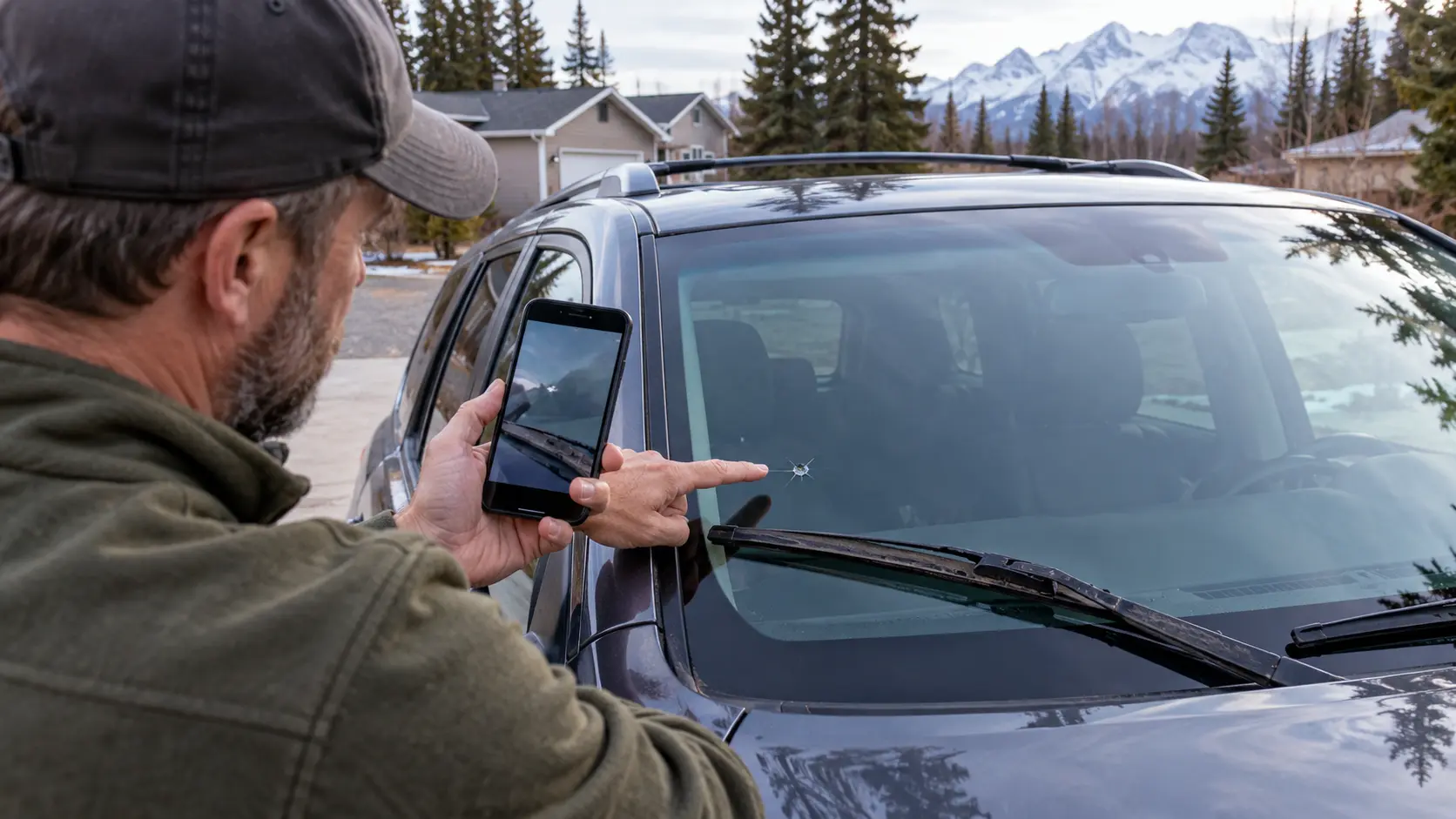
If the vehicle has a windshield chip, photograph the chip.
If one wheel has curb damage, show it.
An honest defect photo can prevent a wasted trip and often builds more trust than hiding the problem until the inspection.
Add a Short Video for Buyers Who Cannot Inspect Immediately
KarKiosk also supports a 30-second vehicle video.
Use it for information photos cannot show as well:
Cold or normal engine startup.
Idle sound.
Dashboard warning lights.
Exterior walkaround.
Interior condition.
Features you specifically mention in the listing.
Keep the video factual.
The goal is not to make an older SUV look new. It is to help a buyer determine whether it deserves an appointment.
Set the Right Price for the Vehicle and Its Actual Alaska Market
Pricing an Alaska vehicle based only on a national estimate can miss local reality.
Start with comparable private-party vehicles matching:
Model year.
Trim.
Mileage.
Drivetrain.
Title status.
Mechanical condition.
Local area.
Then account for equipment that may have real practical value to an Alaska buyer.
A properly functioning block heater, quality winter wheel set, recent battery, good heater, healthy 4WD system, or documented maintenance may strengthen your position.
They do not automatically justify an inflated price, but they can distinguish your vehicle from an otherwise similar listing.
Location Can Change the Effective Price
Suppose two similar SUVs are both listed for $18,000.
One is 15 minutes from the buyer.
The other requires marine transport, a long highway trip, or another costly collection arrangement.
Those two vehicles do not have the same effective cost to that buyer.
If your likely market includes buyers outside your immediate area, decide in advance:
Whether the price includes any delivery.
Who arranges transportation.
Who pays shipping or ferry costs.
Where your responsibility for the vehicle ends.
Whether extra tires or accessories can travel with it.
Do not leave those terms until after a buyer has sent money.
Use KarKiosk Features to Book an Actual Appointment
Getting listing views is useful. Getting the right buyer to inspect the vehicle is what moves the sale forward.
Use KarKiosk's tools to reduce the amount of unnecessary back-and-forth.
Give Buyers Evidence Before Asking Them to Travel
KarKiosk provides a free KarReport vehicle history report with the listing.
When a buyer can review history information alongside your condition description, photos, maintenance details, and video, they can make a more informed decision about coming to see the car.
That matters when “coming to see it” could involve a significant Alaska drive.
Use Voice and Chat Without Immediately Exposing Personal Contact Details
KarKiosk's Message Center supports chat and voice communication.
Use it to answer the questions that determine whether an appointment makes sense:
Is the title in your name?
Is there a lien?
Does 4WD engage correctly?
Are winter wheels included?
Any warning lights?
Does the heater work properly?
Where exactly is the vehicle available for inspection?
When can it be driven?
Keep the conversation centered on the vehicle.
Use Offers to Find the Serious Buyer
KarKiosk lets you track offers in one place and accept, reject, or counter them.
Before responding, decide three numbers:
Your asking price.
The price you would consider after inspection.
Your true minimum acceptable price.
That makes negotiation faster and stops every new message from changing your expectations.
Consider Extra Visibility When Time Matters
KarKiosk states that a Featured Vehicle can receive up to 55% more views than a standard listing.
More views do not guarantee a sale, but greater exposure can matter in a geographically dispersed market where the number of nearby buyers may be limited.
KarKiosk can also send email and SMS notifications for incoming activity so you do not lose a serious inquiry by replying a day later.
Communicate Until There Is a Test Drive—Not Forever
Long message threads are not the objective.
Once a buyer understands the car's condition, location, title situation, and approximate price, move toward an inspection or test drive.
KarKiosk's scheduling tools can help organize the appointment without repeated “What time works?” messages.
Make an Alaska Test Drive Useful
Before the buyer arrives:
Make sure the vehicle has enough fuel.
Clear snow and ice completely when applicable.
Make the VIN accessible for inspection.
Have maintenance records ready.
Have both sets of keys available.
Check that warning lights and gauges can be easily observed.
Ask to see the buyer's valid driver's license before releasing the keys.
Confirm your insurance situation before allowing another person to drive.
Let a Serious Buyer Get an Independent Inspection
Alaska does not currently operate the old Anchorage and Fairbanks vehicle emissions inspection programs. The Fairbanks program was suspended in 2010, and Anchorage's program ended in 2012.
That does not tell a buyer whether your vehicle is mechanically healthy.
An independent inspection can be especially useful for evaluating:
Corrosion.
Suspension wear.
Wheel bearings.
Fluid leaks.
Battery and charging system.
Heating system.
Tires.
Four-wheel-drive components.
A seller with nothing to hide should not treat a reasonable pre-purchase inspection as an insult.
For Remote Buyers, Define the Handoff Before You Take Payment
This deserves its own section in an Alaska seller guide.
If the buyer cannot simply meet you in a parking lot and drive home, write down what the transaction is supposed to look like.
Confirm:
Final vehicle price.
Payment method.
Transport method.
Collection location.
Transport company or authorized pickup person.
What paperwork travels with the vehicle.
Whether extra wheels, cargo racks, or accessories are included.
The exact point at which the buyer assumes possession.
Do not release the vehicle to a shipper simply because someone emailed you a payment screenshot.
Verify the funds first.
For a remote buyer, a live video call showing the vehicle, odometer, equipment, and major disclosed defects can also reduce disagreement after delivery.
Complete the Transaction in a Fixed Order
A private vehicle sale becomes riskier when the seller changes the sequence because a buyer is in a hurry.
Use a deliberate closing process.
1. Confirm the Final Price
Write down the agreed price and what is included.
If the sale includes four winter wheels, roof bars, a second key, or other equipment, put that in the bill of sale.
2. Verify the Money
Do not sign away the vehicle because a transfer is “processing.”
For a bank-issued payment, verify it independently when appropriate.
For a large transaction, completing payment where funds can be verified can reduce uncertainty for both sides.
3. Complete the Title Carefully
Fill in every required field.
Do not leave blank spaces for the buyer to complete later.
Enter the buyer's information, sale date, required mileage information, and seller signatures correctly.
Remember the Alaska conjunction rule: an AND title generally needs all owner signatures.
4. Complete the Bill of Sale
The bill of sale does not replace the title, but it gives you transaction evidence.
Both parties should keep a signed copy.
5. Give the Buyer the Required Original Documents
The buyer needs the properly assigned title to complete their side of the transfer.
Do not keep the original title after you have accepted payment and delivered the vehicle.
6. Save Your Own Records
Before handing everything over, keep readable copies or images of:
Completed title assignment.
Bill of sale.
Odometer disclosure when applicable.
Payment confirmation.
Buyer information required for your DMV transfer notice.
The vehicle may disappear from your driveway in minutes. Your documentation should not disappear with it.
Do Not Assume Every Alaska License Plate Comes Off the Car
This is an important difference from states where sellers routinely remove all plates.
Under Alaska law, registration ends when ownership is transferred, but the registration plate generally remains on the vehicle unless an exception applies.
Alaska DMV specifically instructs sellers with personalized or specialty plates to remove those plates when the vehicle is sold. The buyer can then receive another plate as part of their transfer.
Standard plates and personalized plates should therefore not be treated as if they follow the same rule.
If you have a specialty or personalized plate that you want to keep, handle it before releasing the vehicle.
Finish Your Alaska Seller Responsibilities After the Vehicle Leaves
Payment and key handoff are not your final steps.
The most important post-sale action is recording the transfer with Alaska DMV.
Report the Sale to Alaska DMV Within 10 Days
Alaska Statute 28.10.271 requires the former owner to notify the department of the transfer within 10 days.
You can report the transaction using the sale/transfer portion associated with the title or Alaska DMV's online sale-transfer service.
The report identifies information including:
Vehicle.
Date of transfer.
Buyer.
Buyer's address.
Do this promptly rather than assuming the buyer's title application will automatically protect you.
The notification creates a state record that you transferred your interest in the vehicle.
The Buyer Has a Different 30-Day Clock
The buyer generally has 30 days from the date of sale to transfer the vehicle into their name and obtain an Alaska title.
That is the buyer's deadline.
Your seller deadline is different: 10 days to report the transfer.
Keeping those two clocks separate makes the process much easier to understand.
Cancel or Change Insurance Only After the Sale Is Complete
Keep appropriate insurance in force while:
You still own the vehicle.
You are driving it.
Potential buyers are test-driving it.
The transaction has not been completed.
After the vehicle has been sold and possession transferred, contact your insurer and update your coverage.
Alaska's standard liability minimum for vehicles subject to the insurance requirement is:
$50,000 bodily injury or death of one person.
$100,000 bodily injury or death per accident.
$25,000 property damage.
Do not cancel early just because someone has agreed verbally to buy the vehicle.
What Costs Will the Alaska Buyer Face?
You normally do not need to calculate the buyer's entire DMV bill, but knowing the basics helps when buyers ask what happens next.
Alaska Has No Statewide Sales Tax
Alaska does not levy a statewide sales tax.
That does not mean every vehicle transaction everywhere in Alaska is automatically tax-free.
Municipalities can impose local sales taxes under their own rules, so the buyer's location can matter.
Avoid making a blanket promise such as “there is no tax on this car anywhere in Alaska.”
Alaska's Title Fee Is $15
The state title fee is $15.
For 2026 registrations, Alaska lists the standard noncommercial 24-month registration fee at $100 for passenger vehicles, motorhomes, pickups, cargo vans, and APVs.
A municipality or borough may also affect the buyer's registration cost through a Motor Vehicle Registration Tax.
Those expenses are separate from your agreed sale price.
What Should You Disclose About an Alaska Vehicle?
A private seller should avoid making claims that can be disproved immediately after the sale.
Do not describe a vehicle as:
“Rust free” when the underside has significant corrosion.
“Perfect in winter” when the heater is weak.
“New tires” when only two tires were replaced.
“No warning lights” if you recently cleared a recurring fault.
“Clean title” when a lien or title issue remains.
“Needs nothing” when you know it needs suspension or drivetrain work.
Instead, give the buyer useful facts.
For example:
“Front brakes replaced in June 2026. Battery replaced last winter. Block heater works. Four studded winter wheels included. Small windshield chip on passenger side. Rear bumper has cosmetic damage shown in photos.”
That description does more to move a serious buyer toward an appointment than “excellent Alaska car, runs great.”
Use the Buyer's Checklist to Improve Your Own Sale
A seller who understands how buyers evaluate vehicles can prepare better.
The KarKiosk Alaska Buyer Guide covers inspections, test drives, vehicle history, negotiation, and paperwork from the buyer's side.
Use those expectations to prepare before an appointment.
If buyers are likely to ask about corrosion, have the underside accessible for inspection.
If they will want service records, organize them.
If they will ask about the title, have it ready.
Good preparation shortens the time between “Is this still available?” and a completed transaction.
Alaska Seller Checklist: Before the Vehicle Is Gone
Before releasing the car, confirm that:
The payment has been independently verified.
The correct owners signed the title.
Buyer information is complete.
The sale date is correct.
Required mileage disclosure is complete.
The buyer has the original assigned title.
Both parties have a bill-of-sale copy.
Included winter equipment or accessories are documented.
You have retained copies of the transaction.
Personalized or specialty plates have been removed when applicable.
You have the information needed to report the transfer within 10 days.
For a remote transaction, also confirm that the person or carrier collecting the vehicle matches the arrangement made with the buyer.