
Buyer Guide Oct 16, 2026
To buy a used car in Washington, DC, verify the seller’s ownership, arrange an independent inspection, and calculate the taxes and fees before paying. Registering the vehicle in the District also requires a DC driver’s license or identification card, DC insurance, and the applicable title and inspection documents.
Check the Ownership Paperwork Before Discussing Payment
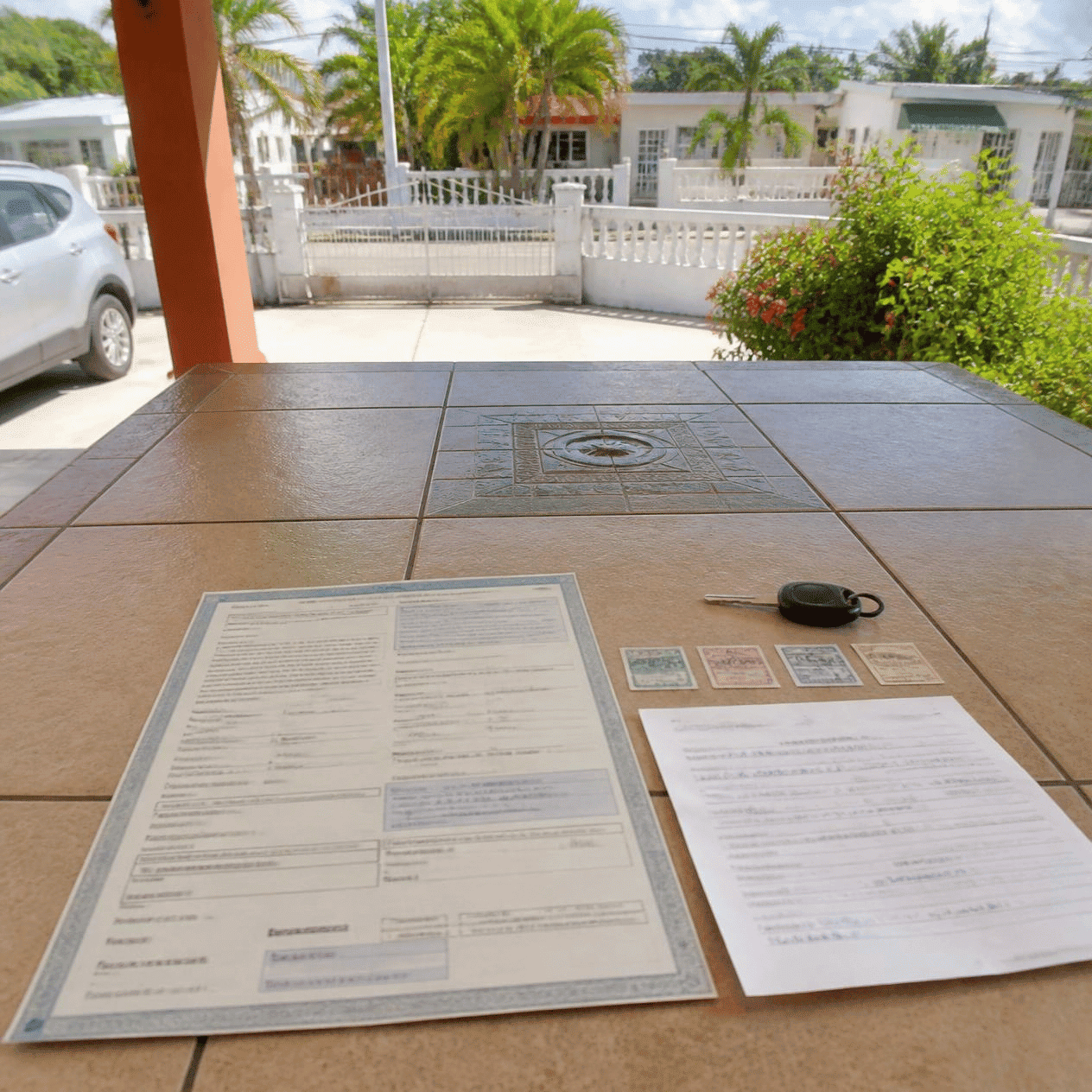
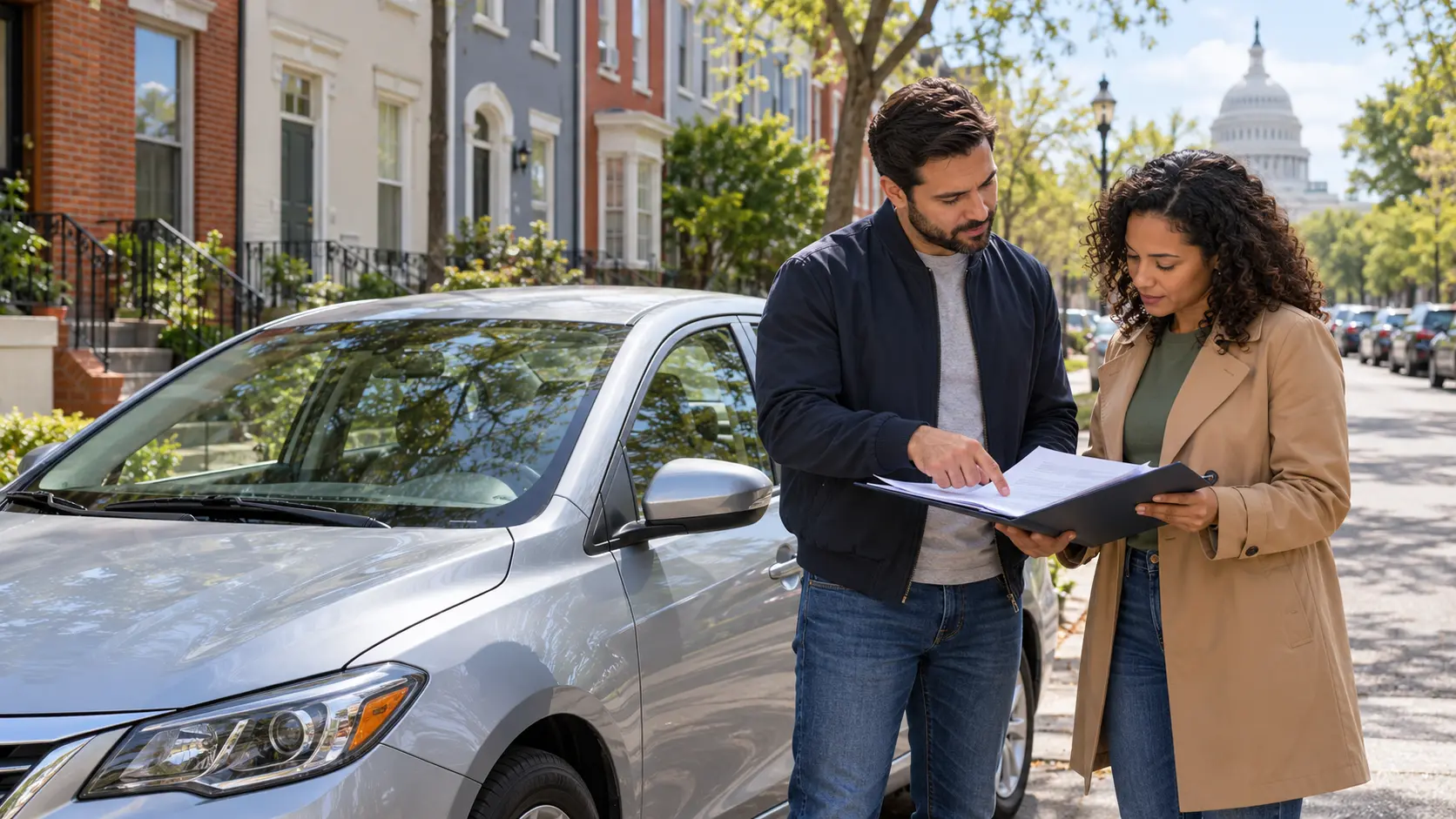
Ask to see the original title early in the buying process. For a private sale, the seller should possess the title in their own name, and every owner listed on it must sign the assignment.
DC DMV gives buyers a clear warning:
“A vehicle that is not properly titled cannot be registered at DC DMV.”
Compare the vehicle identification number, or VIN, on the title with the vehicle. Stop the transaction if the numbers do not match, the ownership information is unclear, or the seller asks you to leave the buyer section blank.
An existing loan also needs attention before the sale is completed. Confirm the payoff and lien-release process rather than relying on a promise that the title will arrive later.
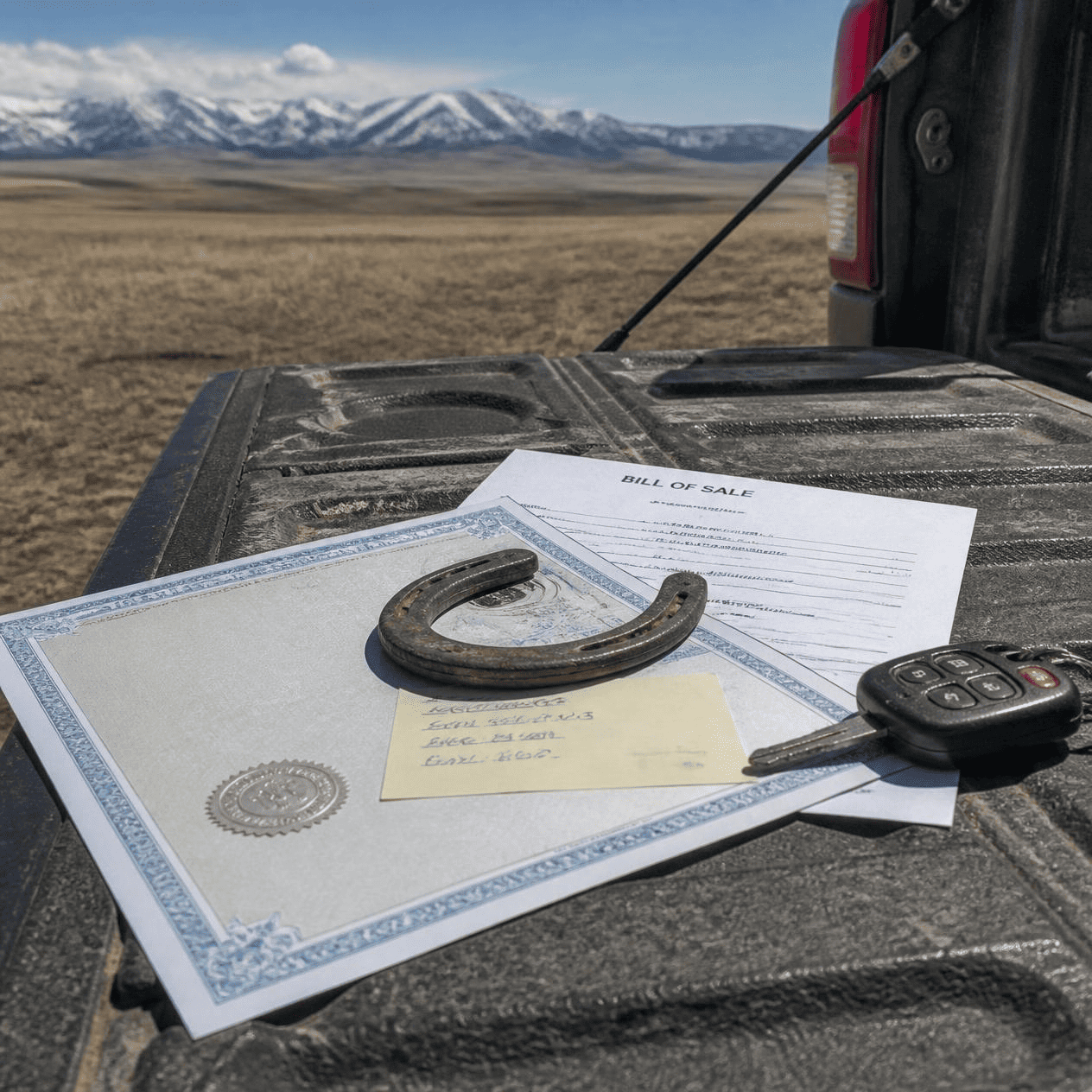
Keep a separate written record of the price, sale date, vehicle details, and agreed terms. KarKiosk’s Washington, DC bill of sale guide can help you organize that record without confusing it with the ownership title.
Calculate DC Excise Tax Before Setting Your Budget
DC does not apply one flat tax rate to every vehicle purchase. Its current excise-tax calculation considers the vehicle’s fair market value, unladen weight, and city fuel economy, rounded down to a whole MPG figure. Do not substitute highway or combined MPG.
For example, a vehicle with a $20,000 DMV fair market value, a 3,800-pound unladen weight, and 32 city MPG falls into the 3.2% bracket. Its illustrative excise tax is $640.
At the same value and weight, a vehicle rated at 20 city MPG or less falls into the 10% bracket, producing $2,000 in tax. These examples exclude other fees and assume no exemption or special adjustment.
That difference belongs in your comparison before you choose between vehicles. A lower advertised price does not automatically mean a lower total purchase cost.
Budget for Registration, Inspection, and Parking
The purchase price and excise tax are only part of the amount you should set aside. The following charges apply to common passenger-vehicle transactions, although not every buyer will pay every item.
Expense | Published amount | When it matters |
Vehicle title | $30 | When obtaining the DC title |
Lien recording | $20 per lien | When a financing lien must be recorded |
Registration card | $30 per year | Listed separately on the DMV fee schedule |
Standard private-vehicle inspection | $35 for two years | For applicable privately owned, not-for-hire vehicles |
First residential parking permit | $55 per year | For an eligible household’s first vehicle, before applicable discounts |
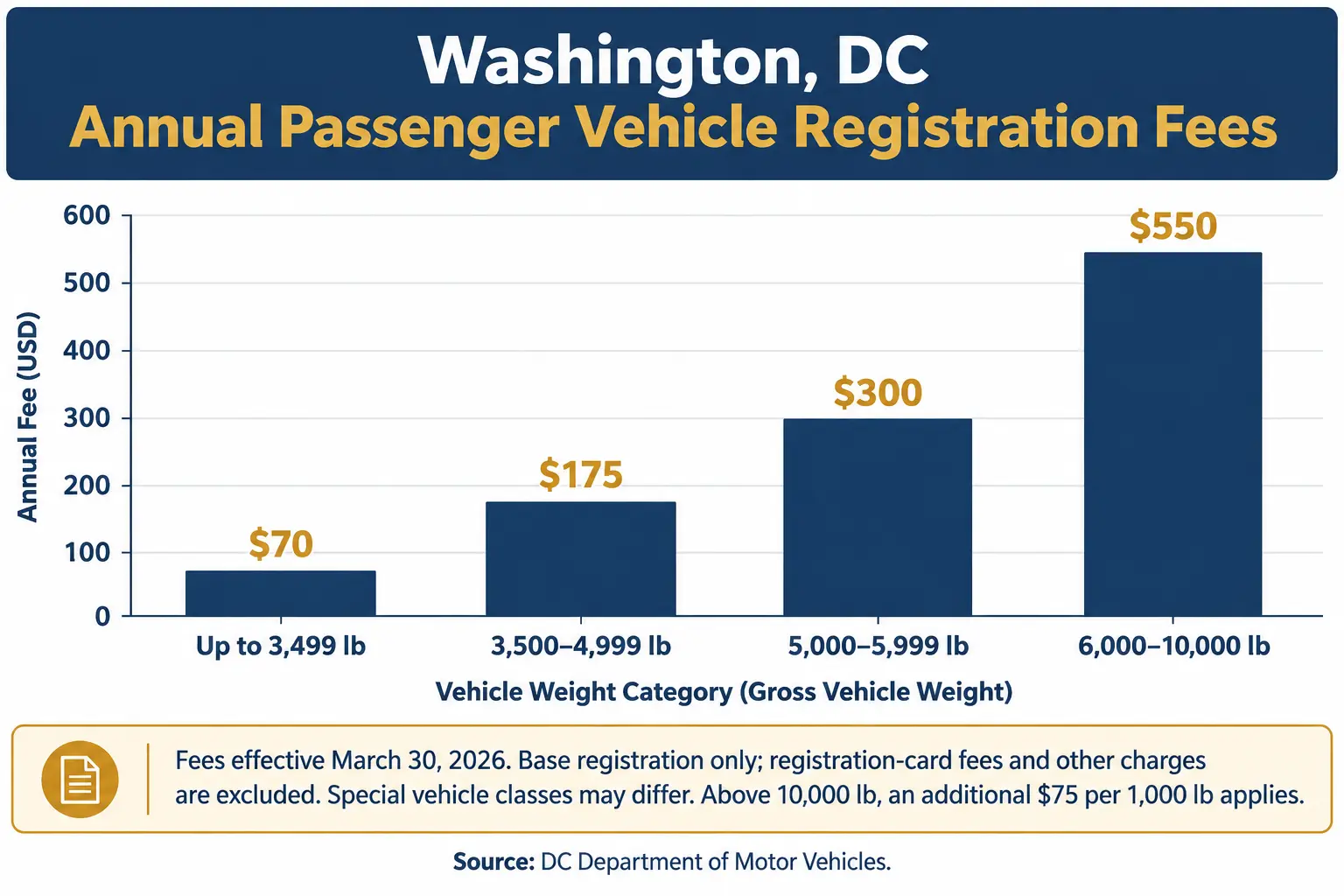
Annual vehicle registration is additional and varies by weight and vehicle category. DC revised its passenger-vehicle fee schedule effective March 30, 2026. Special rules apply to qualifying battery-electric and other vehicle classes.
Also account for the DMV’s 2.5% service fee on credit and debit card transactions when choosing how to pay.
Confirm Parking Eligibility Before Buying
A DC address does not automatically qualify for a residential parking permit. The address must be on an eligible block zoned for the program.
Check that eligibility before assuming street parking will meet your needs. For private parking, measure the space and confirm building restrictions before committing to a larger vehicle.
Treat the Mechanical Inspection as a Separate Decision
The ownership paperwork tells you who can sell the car. An independent inspection helps you decide whether you should buy it.
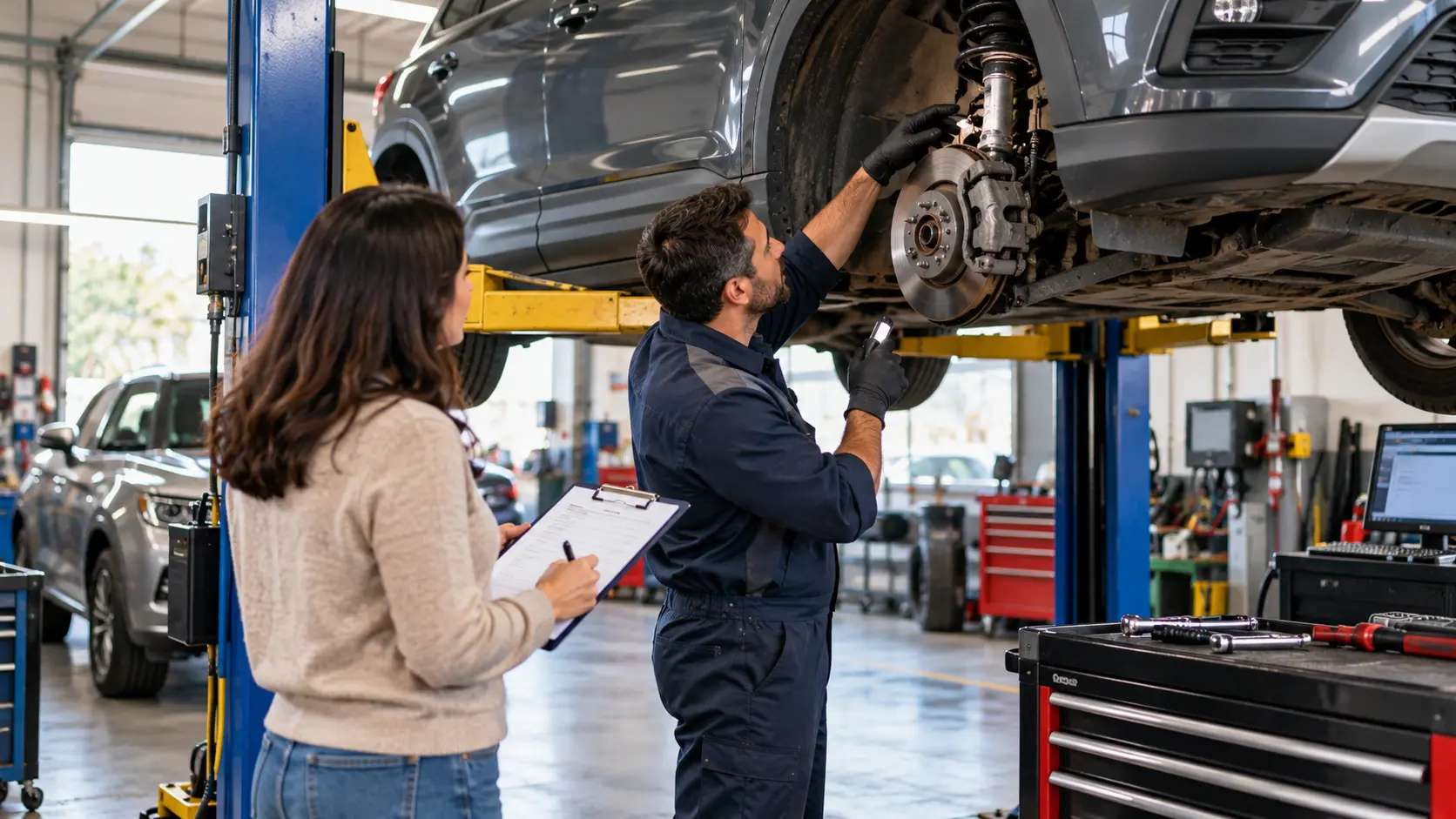
Ask a mechanic to assess the brakes, tires, steering, suspension, fluid leaks, warning lights, and signs of previous damage. Request a written estimate separating urgent repairs from maintenance that can wait.
DC DMV recommends a mechanic’s inspection and advises against purchasing when the seller refuses to allow one.
During the test drive, try the controls and features you will actually use. Check visibility when parking, listen during turns and braking, and test the air conditioning and heating.
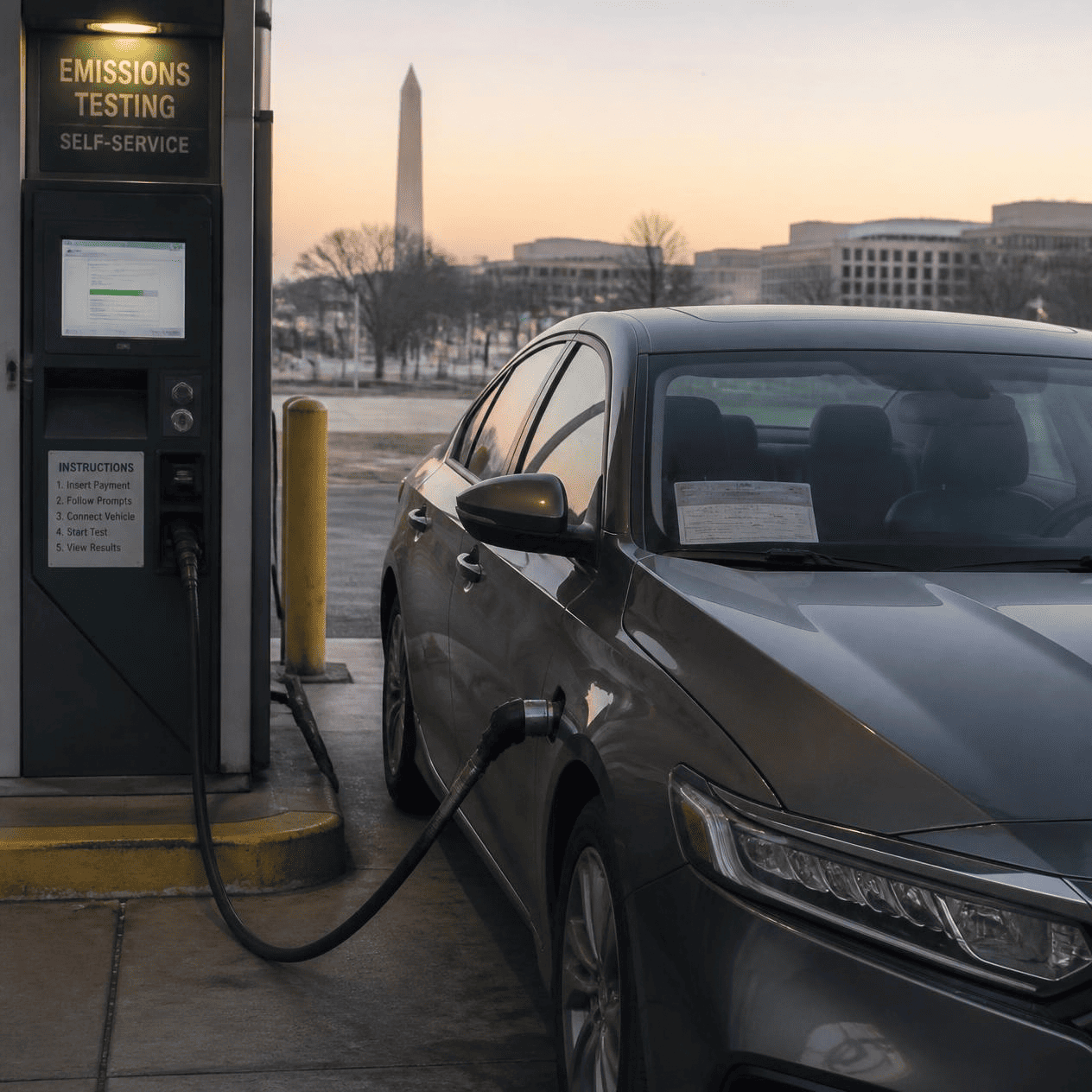
A DC Emissions Inspection Is Not a Purchase Inspection
Do not treat an emissions inspection as a substitute for a broader mechanical evaluation. The DMV inspection requirement and your assessment of repair risk serve different purposes.
Some vehicles, including fully electric personal vehicles, are exempt from emissions testing. Follow the DMV’s applicable exemption and inspection-sticker requirements rather than assuming every used car follows the same process.
Buying in Maryland or Virginia Does Not Replace DC Requirements
When you find a suitable vehicle outside the District, plan the seller’s paperwork and your DC registration as separate parts of the purchase.
DC DMV does not accept another jurisdiction’s inspection sticker as a substitute for its own inspection requirements. A recently inspected vehicle from Maryland or Virginia may still need the applicable DC inspection.
For a Maryland private sale, review KarKiosk’s Maryland buyer guide while organizing the seller-side documents. Then prepare your DC registration package.
Before collection day, decide how the vehicle will legally reach your home or the inspection station. Do not leave registration and transportation arrangements until after payment.
Arrange Insurance and Registration Before Driving
Obtain an insurance quote using the exact VIN before making your final decision. Ask about the policy’s effective date, deductibles, liability protection, and coverage for damage to the vehicle.
DC requires continuous qualifying insurance while a vehicle is registered. Letting the car sit unused does not remove that obligation.
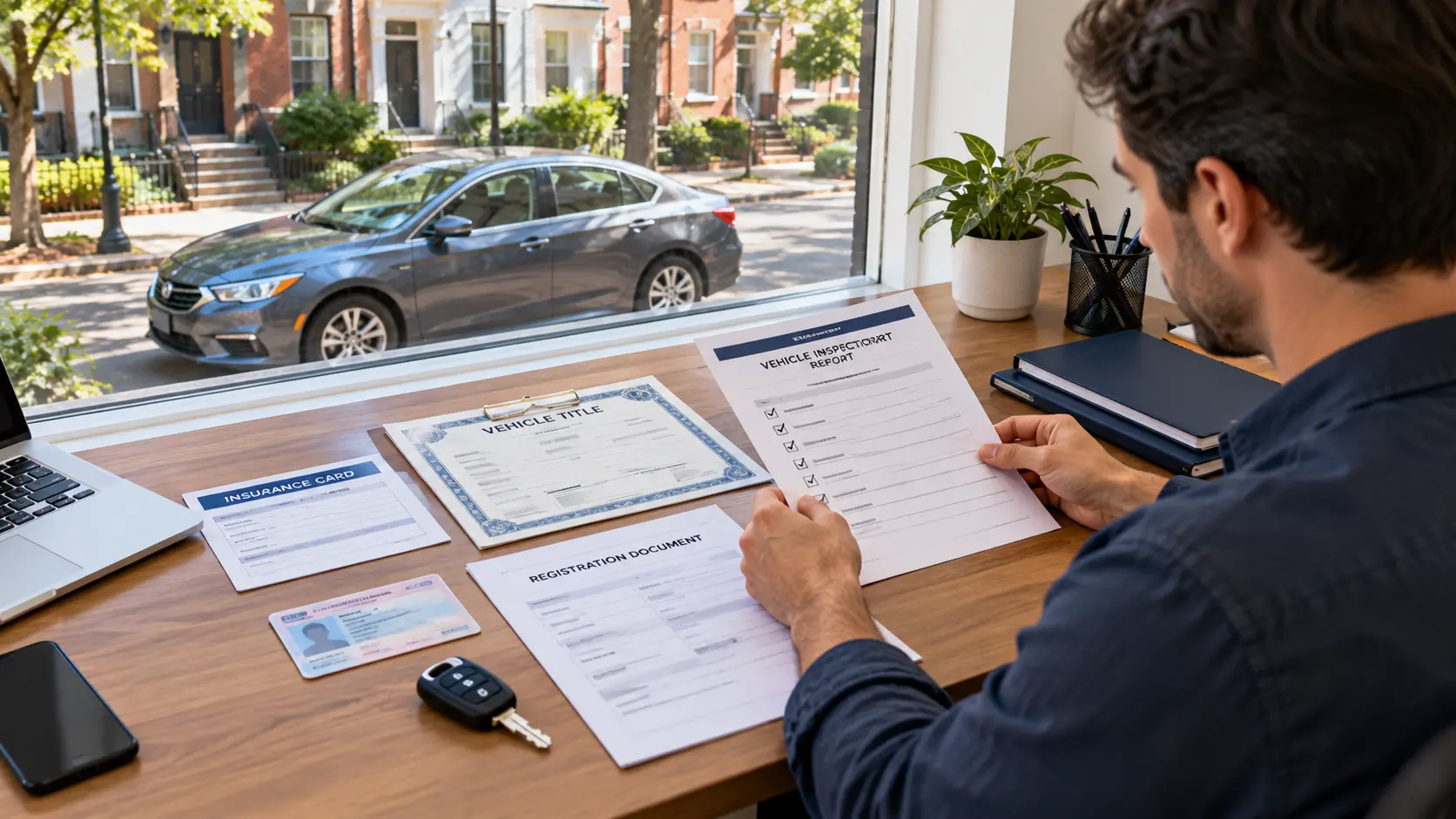
For a typical resident registration, prepare your DC credential, title documents, proof of DC insurance, and applicable inspection information. Where a lender holds the title, use the DMV’s title-request process rather than assuming a photocopy will be enough.
When a 45-Day Temporary Registration Helps
An eligible DC resident whose vehicle needs inspection can obtain a 45-day temporary registration with a hard tag. The application requires the appropriate ownership documents, DC insurance, identification, and payment of applicable title, tax, and registration charges.
This temporary registration is not an open-ended extension. DC DMV does not issue a second temporary registration or extend the first one. Schedule the inspection early enough to address any problems.
Make Your Final Offer From the Total Cost
Set your offer after reviewing the title, inspection results, tax estimate, registration charges, insurance quote, and parking arrangements.
Write down who will handle any remaining paperwork and which items must be completed before payment. Keep copies of the signed documents and your payment record.
Use KarKiosk to build your shortlist, then apply the same checks to every vehicle. A clear title, manageable ownership costs, and acceptable mechanical condition should support the purchase—not pressure from a seller.