
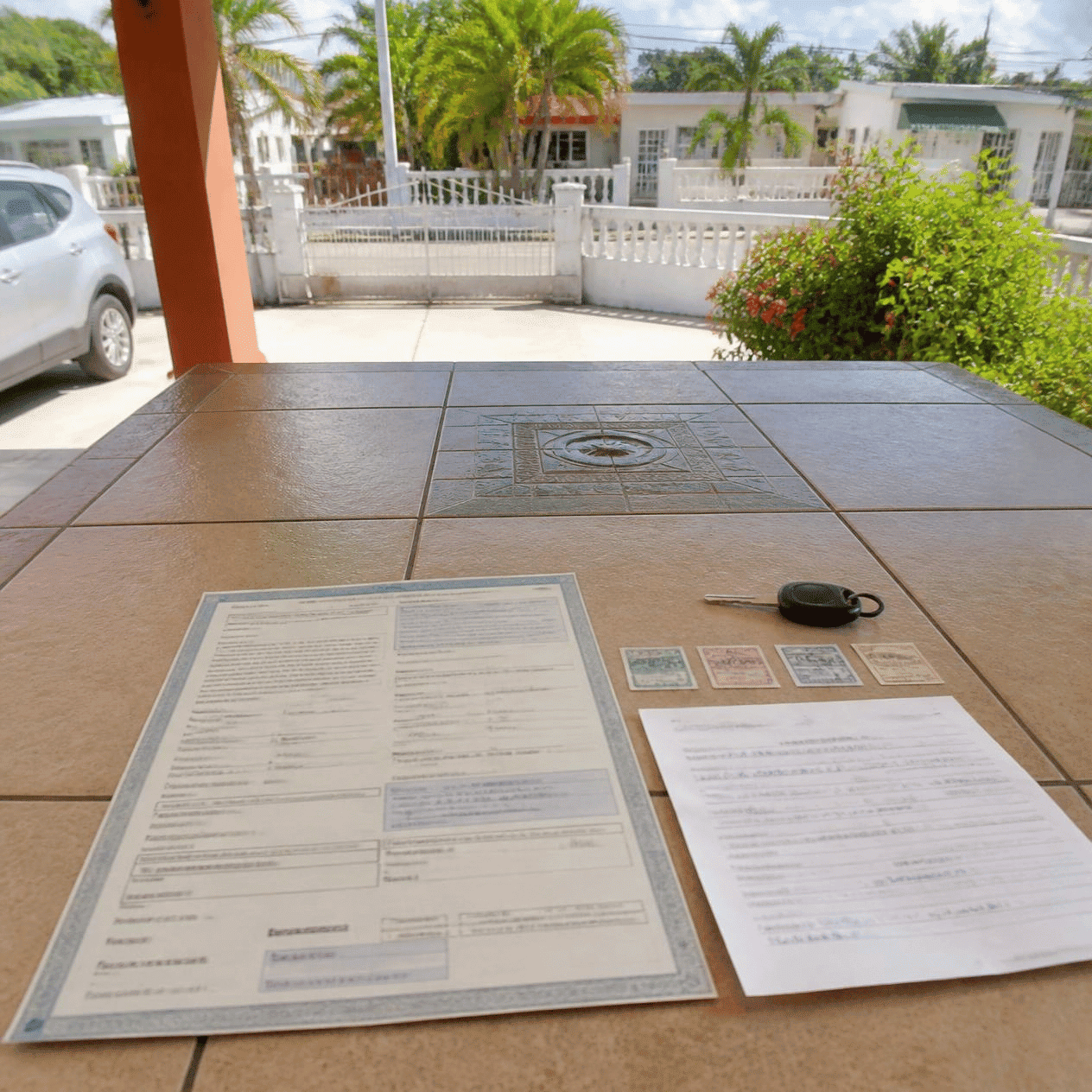
Bill of Sale Sep 22, 2026
A Washington, DC private vehicle buyer should obtain a bill of sale and a properly assigned original title. The bill of sale documents the price and transaction, while the signed title is the ownership document DC DMV needs to issue the new title.
A private-sale buyer must also obtain DC insurance, complete the District inspection process, pay the applicable excise tax, and register the vehicle before normal use. DC now also allows eligible private-sale title and registration applications to begin online.
Download the free KarKiosk vehicle bill of sale PDF before payment and title handover. It gives both parties one signed record of the VIN, mileage, sale price, date, and transaction terms to keep with the DC title paperwork.
The Bill of Sale Supports the Title Transfer
DC DMV specifically tells private buyers to obtain a bill of sale.
The buyer should also verify that:
The seller possesses the original title.
The seller’s name matches the title.
Every titled owner signs the transfer.
The odometer disclosure is completed.
The vehicle has no unresolved ownership problem.
DC DMV warns buyers not to purchase a privately sold vehicle when the seller does not have the title in the seller’s name.
See the current government guidance at DC DMV — Buying a Vehicle.
The bill of sale should record:
Seller’s legal name and address.
Buyer’s legal name and address.
Vehicle year, make, and model.
VIN.
Sale date.
Actual sale price.
Odometer reading.
Buyer and seller signatures.
When multiple owners are involved, DC DMV requires all owners to be properly reflected across the ownership and sale documents.
For comparison, KarKiosk’s Connecticut Bill of Sale guide covers a state where the bill of sale has a more explicit role in private registration paperwork.
Washington, DC Private Vehicle Sale Rules
Item | Washington, DC Rule | Why It Matters |
Bill of sale | Obtain one for a private purchase | Documents price and transaction details |
Ownership document | Properly assigned original title | Required to establish ownership |
Standard bill notarization | No general DMV notary requirement stated | Ordinary bill of sale can be signed directly |
Private-sale application | Can begin online | Original title still must be sent to DC DMV |
Title fee | $30 | Paid when the new title is issued |
Lien recordation | $20 per lien | Applies when vehicle is financed |
Excise tax | 1%–11% depending on weight, city MPG and fuel | Calculated from fair market value |
45-day temporary registration | $13 | Lets a DC resident complete inspection |
Passenger registration | $70–$550+ depending on weight | 2026 schedule applies |
Private passenger inspection | Emissions inspection required | Safety inspection is not required for ordinary private passenger vehicles |
Tags after sale | Seller removes them | Seller must handle tags before cancelling insurance |
DC Does Not Publish a Special Government Bill-of-Sale Form for Ordinary Private Sales
Unlike states with a numbered DMV bill-of-sale form, DC DMV’s current private-sale guidance focuses on the transaction information and supporting bill of sale rather than requiring one specific private-party form.
That means a properly prepared bill of sale can be used as the sale record.
The document should not be confused with the title.
A bill of sale cannot fix:
A missing title.
An open title.
An undisclosed lien.
A title assigned to another buyer.
A seller who is not the recorded owner.
Eligible Private Purchases Can Start Online
DC DMV now offers a hybrid online/mail process for residents who recently purchased a vehicle in a private sale.
The buyer starts the request online and uploads the required information and documents.
After completing the online portion, the buyer must send the original title to DC DMV. USPS submissions must be sent by certified mail, while tracked overnight carriers can also be used.
DC DMV states that once the original title is received, it reviews the request and sends a status update within approximately five business days.
Current process: DC DMV — Online Private Sale Vehicle Registration.
This does not make the original title optional.
The digital application starts the transaction; DC DMV still requires the physical ownership document.

Private-Sale Excise Tax Is Based on Fair Market Value
DC does not simply apply one flat private-sale vehicle tax rate.
Excise tax is calculated using the vehicle’s fair market value, with the rate determined by:
Unladen weight.
City fuel economy.
Electric-vehicle status.
DC DMV revised the formula effective February 17, 2025.
Vehicles Weighing 3,499 Pounds or Less
Current rates are:
20 MPG or less: 9%.
21–25 MPG: 5%.
26–30 MPG: 3.1%.
31–39 MPG: 2.2%.
40 MPG or more: 1.5%.
Electric: 1%.
Vehicles Weighing 3,500–4,999 Pounds
Rates rise to:
20 MPG or less: 10%.
21–25 MPG: 6%.
26–30 MPG: 4.1%.
31–39 MPG: 3.2%.
40 MPG or more: 2.5%.
Electric: 2%.
Vehicles Weighing 5,000 Pounds or More
Rates are:
20 MPG or less: 11%.
21–25 MPG: 7%.
26–30 MPG: 5.1%.
31–39 MPG: 4.2%.
40 MPG or more: 3.5%.
Electric: 3%.
Current fee and tax schedule: DC DMV — Vehicle Title and Excise Tax Fees.

The DC Title Fee Is $30
DC DMV currently charges:
Vehicle title: $30.
Replacement title: $30.
Lien recordation: $20 per lien.
Registration is separate.
Passenger-registration fees effective March 30, 2026 include:
3,499 pounds or less: $70.
3,500–4,999 pounds: $175.
5,000–5,999 pounds: $300.
6,000 pounds or more: $550, with an additional weight charge for vehicles over 10,000 pounds.
Qualifying battery-electric passenger registration: $40 under the applicable class.
Final costs can also include excise tax, inspection, temporary registration, and lien charges.
A Private Buyer Usually Needs Temporary Registration Before Inspection
A private seller normally does not issue a DC temporary tag.
DC DMV therefore tells a private buyer to obtain temporary DC registration so the purchased vehicle can be taken through inspection.
The temporary registration:
Is valid for 45 days.
Comes with a temporary hard tag.
Costs $13.
Requires a properly endorsed title.
Requires valid DC insurance.
Requires a DC DMV credential.
Is not renewable or extendable.
The buyer pays applicable title, excise-tax, and other transaction charges when obtaining the temporary registration.
Used Private Vehicles Must Pass DC Emissions Inspection
DC requires registered vehicles to have a valid District inspection.
For ordinary privately owned passenger vehicles, DC no longer requires a separate safety inspection, but emissions testing remains required on the applicable schedule.
A privately owned/not-for-hire vehicle inspection currently costs $35 for two years.
The buyer should therefore confirm that the used car can pass emissions testing before completing the deal.

The Seller Removes the DC Tags
The seller must remove the DC vehicle tags when the car is sold.
If the seller is not transferring them to another vehicle, DC DMV says the tags should be surrendered in person or by certified mail.
The insurance sequence is important.
Do not cancel the vehicle insurance before surrendering or properly handling the tags.
DC DMV warns that cancelling insurance first can create an insurance-lapse fee.
The buyer should not drive away permanently on tags belonging to the seller.
Delaware takes a different approach to private-sale documentation and uses a document fee rather than DC’s weight-and-MPG excise formula. See KarKiosk’s Delaware Bill of Sale guide.
What If the Seller Cannot Produce the Title?
Do not complete a standard private purchase when the seller cannot provide the title in the seller’s name.
DC DMV explicitly advises private buyers not to purchase the vehicle in that situation.
The seller should first obtain the correct replacement ownership document.
A bill of sale alone does not give DC DMV enough ownership evidence to register a normal titled vehicle.
How to Complete a Washington, DC Private Vehicle Sale
Verify the seller’s name on the title.
Match the VIN on the title and vehicle.
Confirm that all titled owners can sign.
Check for liens.
Complete the title assignment and odometer disclosure.
Complete and retain a bill of sale.
Have the seller remove the DC tags.
Obtain DC insurance.
Begin the private-sale title transaction online or at DMV.
Obtain temporary registration when needed.
Complete the DC emissions inspection.
Pay excise tax, title, registration, and applicable fees.
Verify the seller’s name on the title.
Match the VIN on the title and vehicle.
Confirm that all titled owners can sign.
Check for liens.
Complete the title assignment and odometer disclosure.
Complete and retain a bill of sale.
Have the seller remove the DC tags.
Obtain DC insurance.
Begin the private-sale title transaction online or at DMV.
Obtain temporary registration when needed.
Complete the DC emissions inspection.
Pay excise tax, title, registration, and applicable fees.
Common Washington, DC Private-Sale Mistakes
Buying from a seller who cannot produce the title.
Assuming the bill of sale replaces the title.
Leaving one titled owner’s signature missing.
Calculating excise tax only from the written purchase price.
Ignoring the vehicle’s weight and city MPG.
Cancelling the seller’s insurance before dealing with the tags.
Driving without valid temporary or permanent registration.
Assuming a used private passenger vehicle does not need an emissions inspection.