Seller Guide Oct 19, 2026
To sell a car privately in Puerto Rico, complete the ownership transfer through the appropriate CESCO process, verify payment, and retain proof of the transaction. Start with the original title, check any recorded liens, and agree with the buyer on the documents and remaining steps. For a vehicle already registered in Puerto Rico, the main task is a local ownership transfer, or traspaso.
Check the Ownership Record Before Advertising an Immediate Sale
Compare the owner’s name and VIN on the title with the vehicle’s records. If you are helping a relative sell, confirm the required authority and signatures before accepting money. Possessing the keys does not establish authority to transfer someone else’s vehicle.
Check the loan status and any recorded restrictions with the lender and CESCO. If financing has been paid off, obtain the lender’s payoff or cancellation documentation and confirm that the ownership record can be updated.
Look at the vehicle permit and marbete status as well. A marbete relates to the vehicle’s annual authorization to circulate; it does not identify the person who should receive the sale proceeds or replace the ownership transfer.
A missing title, estate matter, company-owned vehicle, or unresolved lien can require a different process. Resolve that issue before telling a buyer the car is ready for a simple transfer.
Choose the Transfer Route Before Arranging the Final Meeting
CESCO’s standard owner-transfer process and CESCO Digital have different document steps. Decide which route applies before signing so you complete the correct sections in the correct way.
Standard Owner Transfer Through CESCO
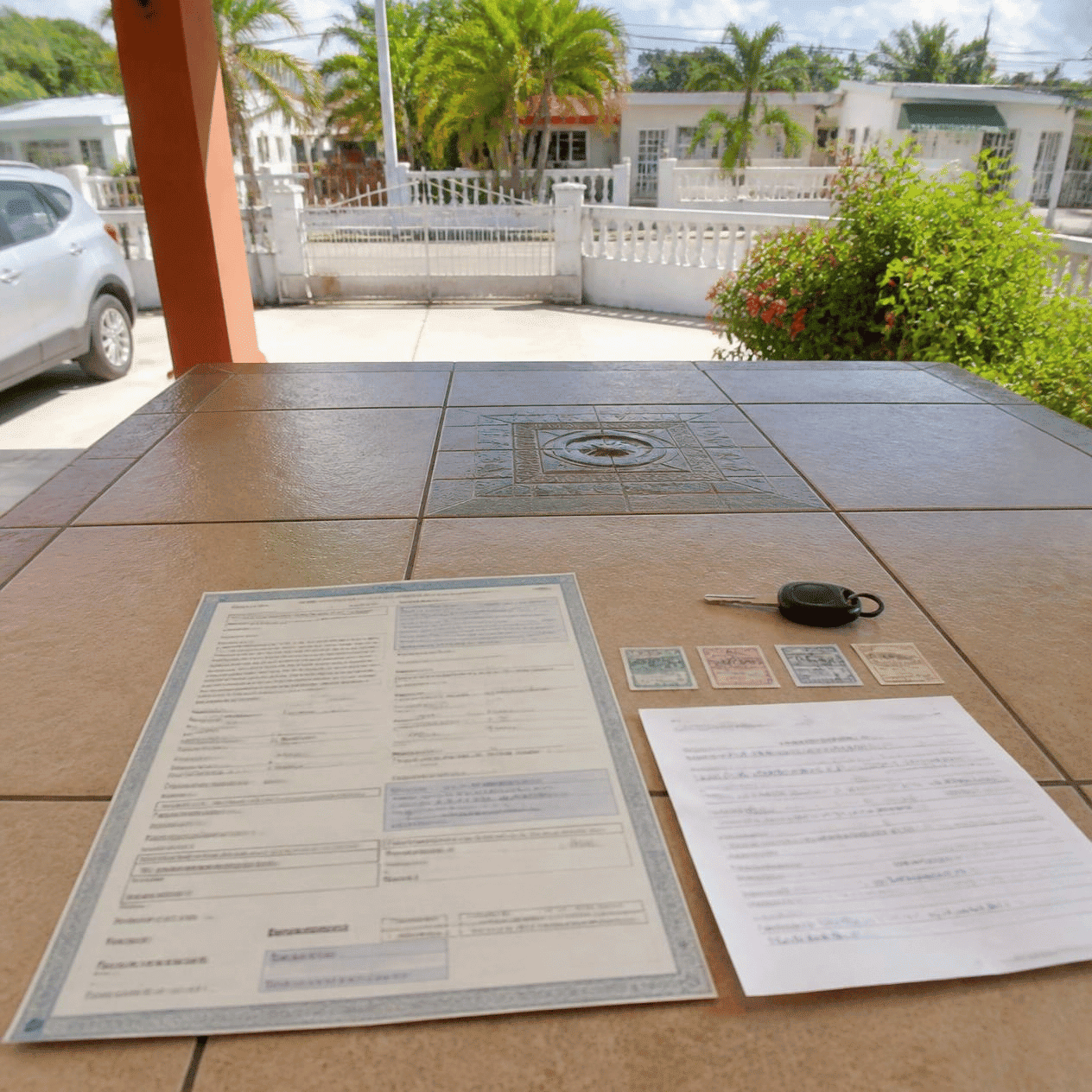
The published owner-transfer checklist calls for the title, the original vehicle permit if current, and a sworn transfer on the back of the title. A marbete certification may be needed when the permit is unreadable or the record is missing from the system.
Arrange the sworn transfer with a Puerto Rico notary and follow CESCO’s directions before signing. Both seller and buyer must complete their transfer signatures. If the original title is missing, ask CESCO about the replacement and sworn-statement route, which can involve extra documents, charges, and a vehicle inspection.
Prepare identification for both parties and confirm any appointment or representation requirements before the visit. Complete the transaction together when practical so a missing signature or document can be addressed immediately.
Transfer Through CESCO Digital
The published digital requirements include a private vehicle with financing paid off, no recorded liens or toll fines, and an original title. CESCO’s detailed digital checklist calls for a vehicle registered after July 11, 1987. CESCO also lists a minimum age of 21 and U.S. citizenship for both parties.
Both seller and buyer need CESCO Digital and a registered email address. Check whether the transfer option appears for the vehicle and follow the current eligibility checks in the app.
DTOP’s digital-transfer guidance states, in English translation:
“The seller must have the original Certificate of Title, not a copy.”
The seller initiates the transaction, the buyer accepts, and the seller follows the payment and confirmation steps. After the transfer charges are paid in the app, the seller signs the original title and gives it to the buyer.
The buyer completes the required title fields, follows the instruction to enter “CESCO DIGITAL DTOP” in the designated notary or authorized-official area, and takes the signed title and required supporting documents to the selected CESCO appointment. That appointment is used to exchange the title for the updated document.
Apply those digital instructions only to an eligible CESCO Digital transaction. A photograph of the title or an unfinished app request does not complete all the required steps.
Agree on What Each Person Will Bring and Pay
Settle the paperwork and cost responsibilities before the closing appointment. Keep the agreed vehicle price separate from transfer charges, outstanding debts, and any repairs you have promised.
Item to settle | Seller’s preparation | What to agree with the buyer |
Ownership documents | Locate the original title and check its details | Which transfer route will be used |
Financing or restrictions | Obtain release documents and clarify unresolved entries | How any payoff will be completed |
Vehicle permit and marbete | Explain the current status and provide available records | Any renewal or transportation arrangements |
Transfer expenses | Identify the applicable transaction and document needs | Who pays each agreed charge |
Sale agreement | Record the price, condition, included items, and handover terms | When payment, signing, and possession will occur |
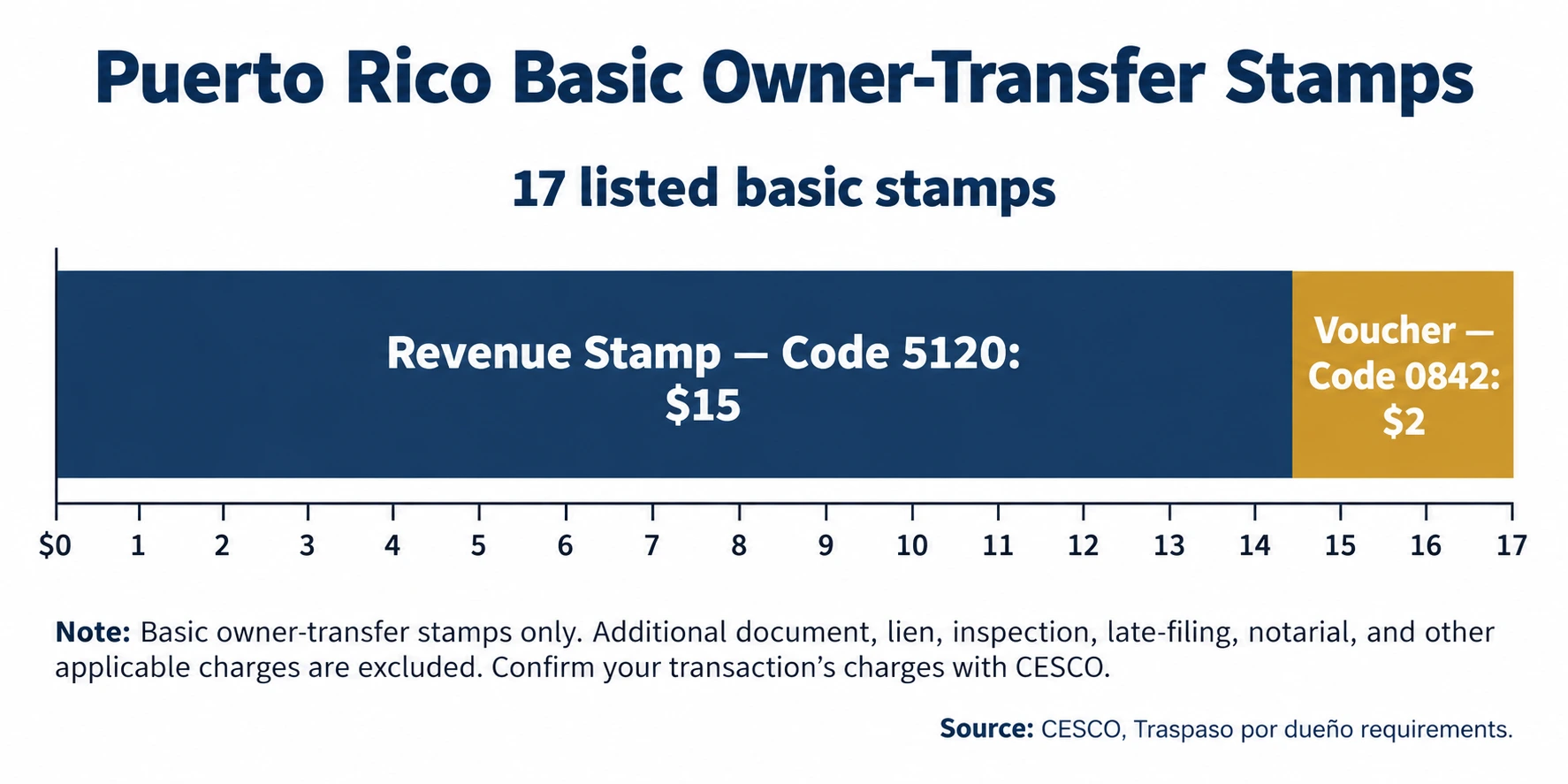
CESCO lists a $15 revenue stamp under code 5120 and a $2 voucher under code 0842 for the basic owner-transfer entries. Their combined value is $17.
Additional title, lien, inspection, late-filing, notarial, or other applicable charges can change the amount due. Confirm the cost for your transaction before the appointment, especially if you need replacement documents.
Describe the Car’s Condition Before Negotiating
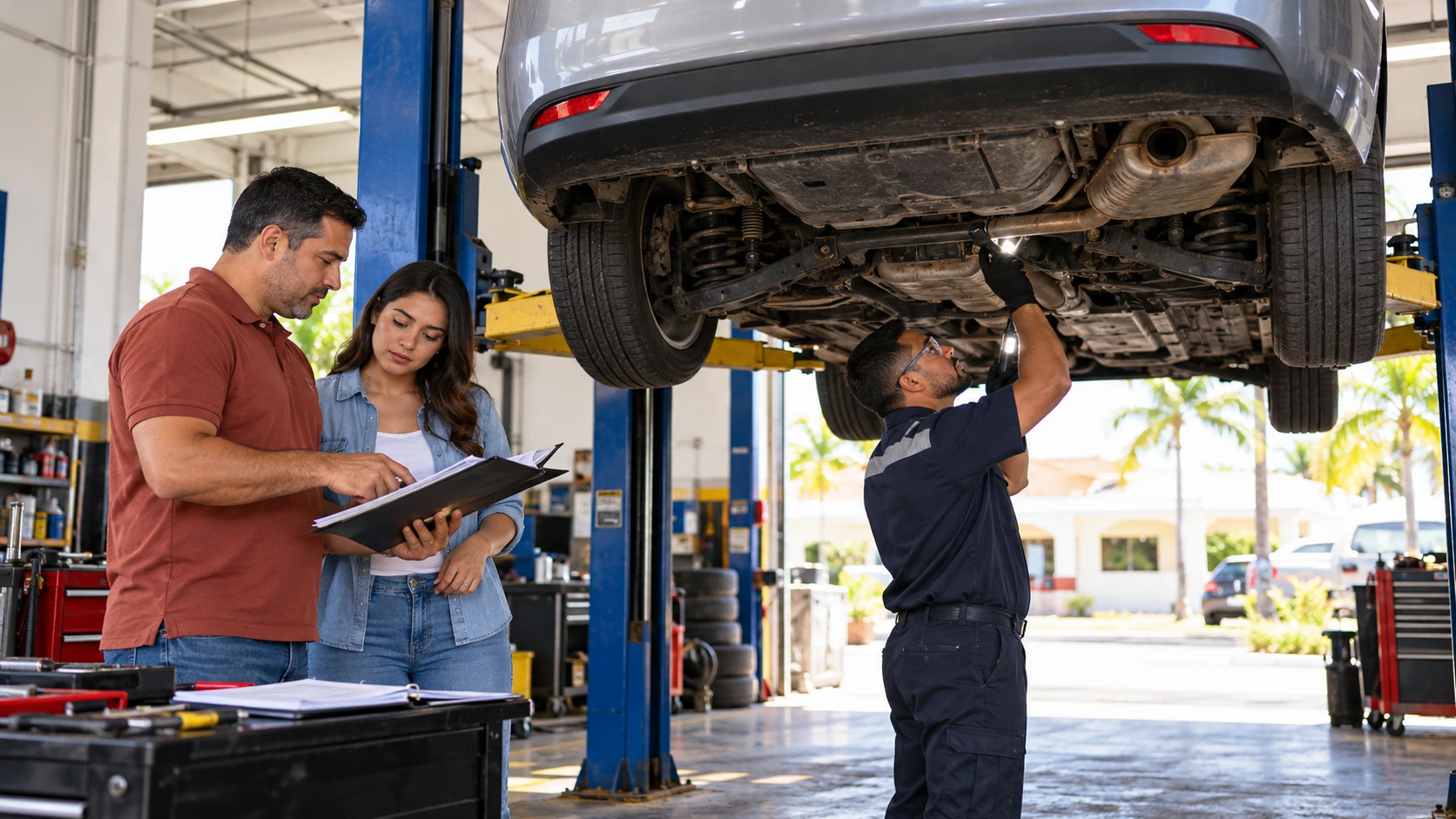
Build your KarKiosk listing around information a buyer can check: model year, mileage, equipment, title status, service history, and known problems. Compare similar vehicles already offered on KarKiosk when setting your asking price, while allowing for differences in condition and required repairs.
Show the car clearly in photographs. Include the cabin, dashboard, cargo area, tires, and any visible damage. Describe known collision repairs, water intrusion, corrosion, or warning lights directly instead of relying on broad claims such as excellent condition.
If water entered the car during a storm or flood, explain what happened and what was repaired. Keep the relevant invoices and offer access to an independent inspection. Cosmetic cleaning should not replace a clear account of known damage.
Confirm the odometer reading before preparing the sale documents. For ordinary passenger cars, federal disclosure rules generally cover model year 2011 and newer vehicles for 20 years. Disclose a known mileage discrepancy instead of presenting the dashboard reading as verified actual mileage.
NHTSA’s longstanding national estimate identifies more than 450,000 vehicles sold annually with false odometer readings. Dated service records help a buyer check the mileage history you provide.
Verify Payment and Write Down the Sale Terms
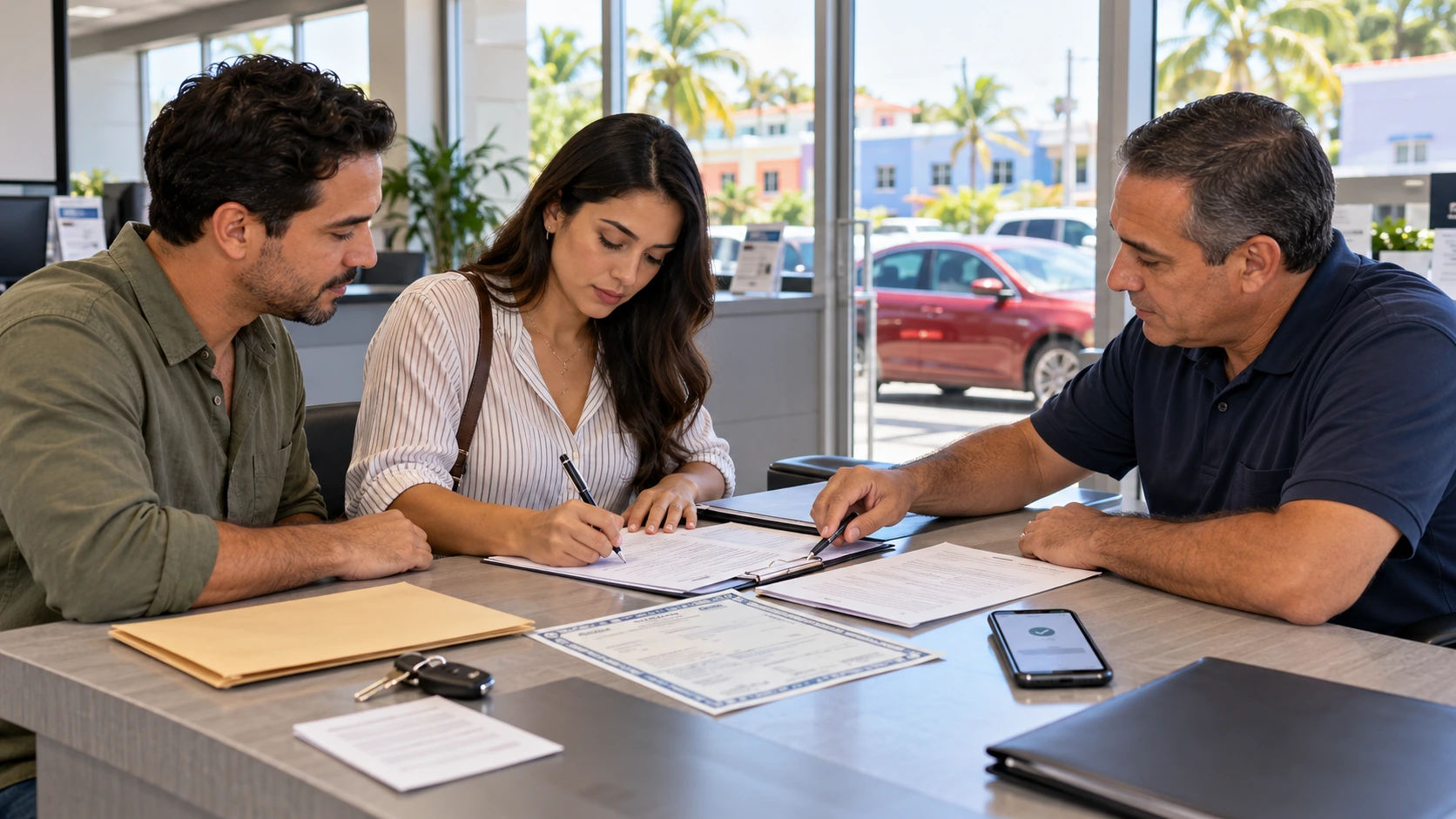
Agree on a payment method and verify it through your own bank or payment account. Confirm the buyer’s identity and avoid relying on a forwarded receipt, email, or phone screenshot as the sole evidence of payment.
The Federal Trade Commission warns that a fake check can appear to clear before the bank identifies it. Decline an overpayment followed by instructions to refund the difference or pay a shipping agent. Contact your bank independently if the payment arrangement changes unexpectedly.
Record the parties, vehicle, VIN, actual price, mileage, sale date, and agreed condition in the sale agreement. Include any promised repairs, extra keys, accessories, or later collection date. KarKiosk’s Puerto Rico bill of sale guide explains the role of this separate transaction record.
Put any agreed as-is terms and known defects in writing. Do not promise that a short as-is statement removes every responsibility or excuses an inaccurate description. Give the buyer time to review the terms before signing.
Follow the Transfer Through to Its Recorded Completion
Puerto Rico’s Law 22 gives a private buyer 15 days after the transfer document is formalized to file it with DTOP. This filing duty belongs to the buyer. Arrange the filing promptly and keep evidence of the completed transaction.
Ask for the processed transfer confirmation and retain your own receipt. If you used CESCO Digital, save its transaction record and make sure the buyer understands the original-title appointment. Signing a sale agreement alone does not update every vehicle record.
Confirm Plates, Marbete, and Insurance Before Collection
Ask CESCO how the existing plate and registration should be handled for the exact transfer before the vehicle leaves. Obtain transaction-specific instructions, especially when a special plate, expired permit, or unusual ownership situation is involved.
Make sure the buyer has addressed the vehicle’s authorization to circulate and the applicable insurance arrangements. If the car cannot legally be driven, agree on transport. Review the buyer’s remaining preparations together using KarKiosk’s Puerto Rico buyer guide.
Keep your insurer informed about the completed sale and confirm the effective date for any policy change. Remove personal access to toll and connected-car accounts, saved addresses, paired phones, and other private information. Mark the KarKiosk listing as sold once the transaction is finished.