
Buyer Guide Oct 16, 2026
To buy a used car in Puerto Rico, verify the seller’s title, inspect the vehicle, and complete the ownership transfer through CESCO, the driver-services agency. Check the vehicle’s marbete, insurance, and plate requirements before driving, and calculate import costs separately when bringing a car from outside Puerto Rico.
Start With the Seller’s Documents, Not a Deposit
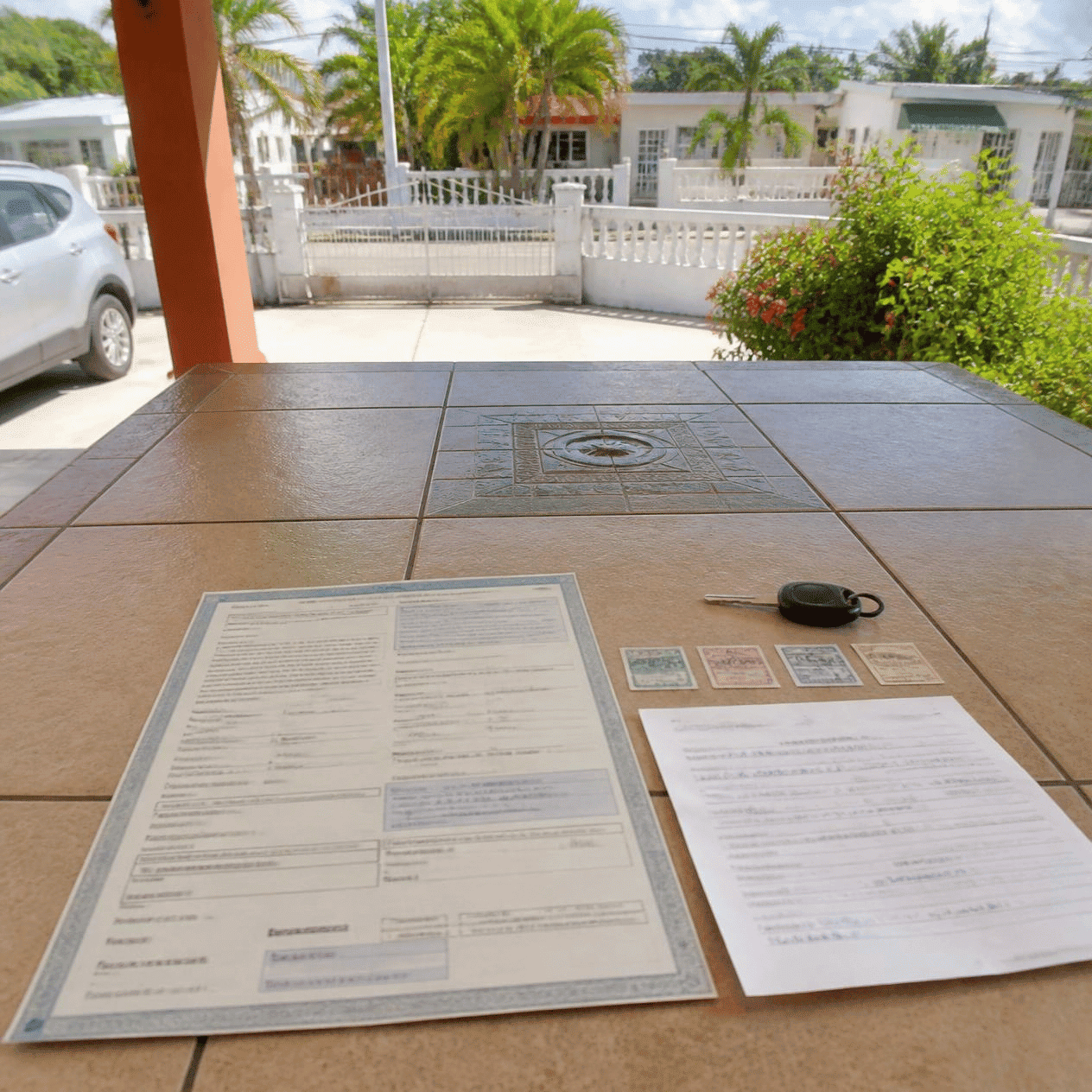
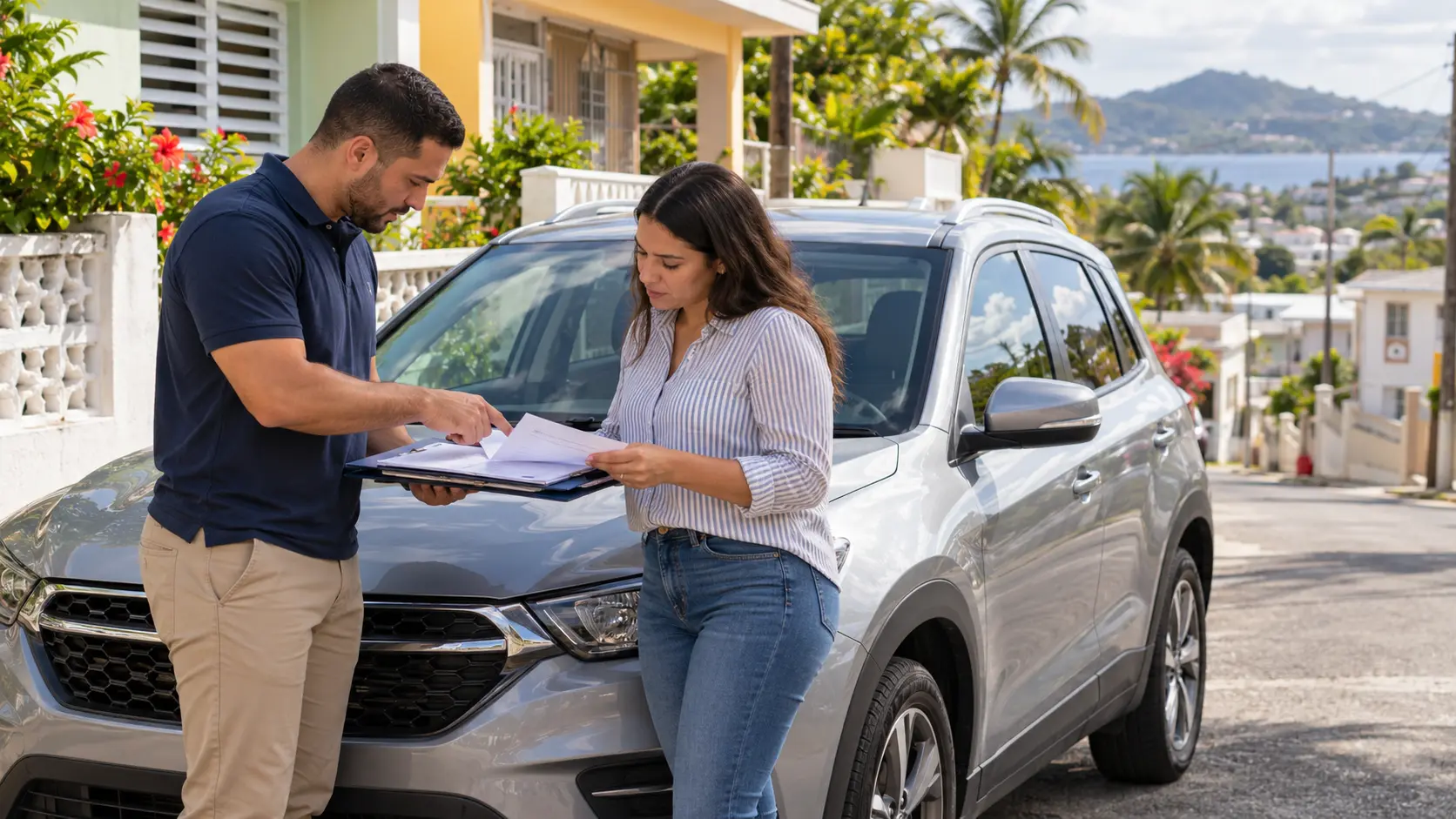
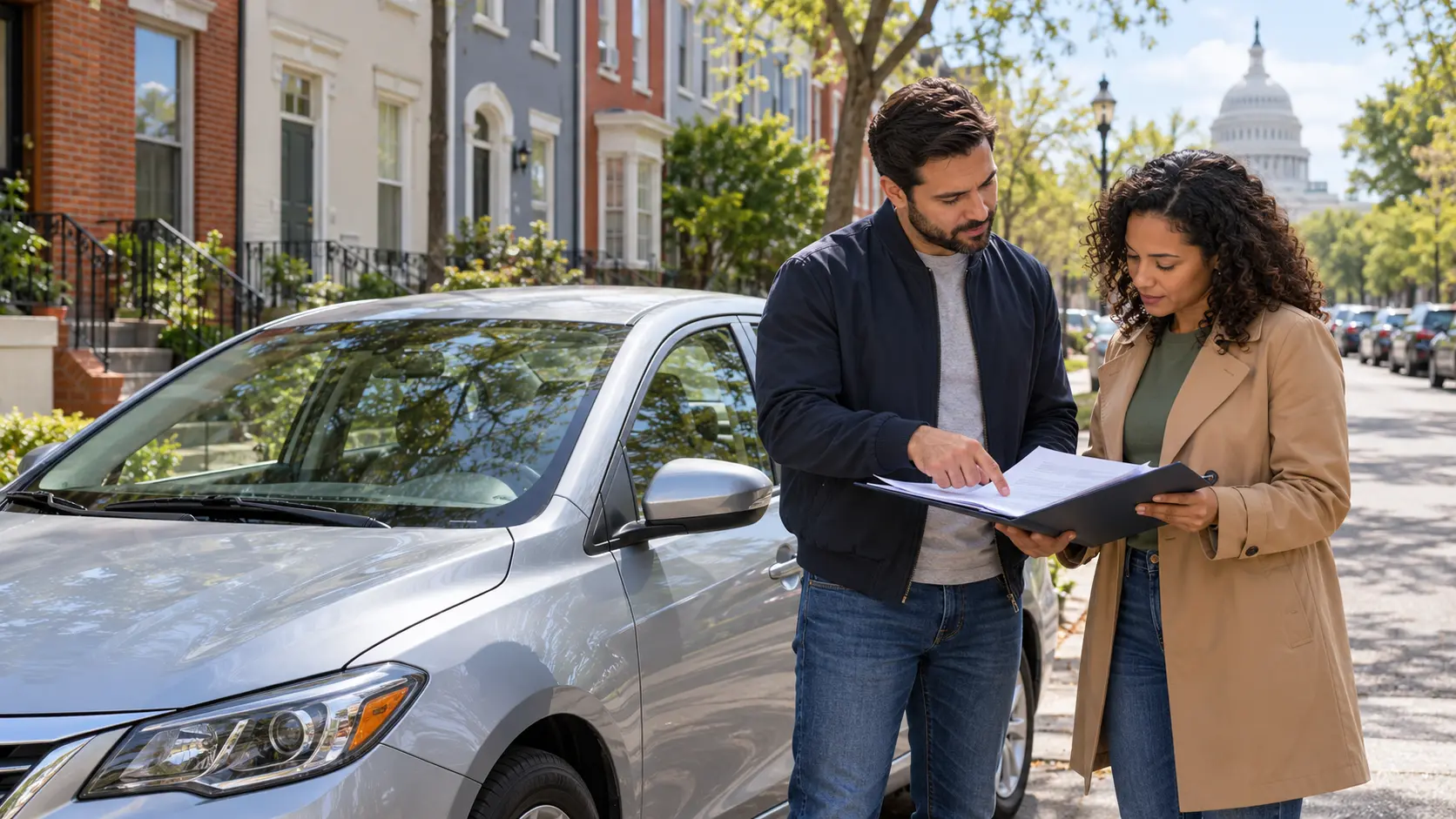
Ask the seller to show the original ownership documents before you commit money. Compare the name and vehicle details, and ask about any recorded loan or lien.
An ordinary owner-transfer application requires the title and applicable vehicle permit. A vehicle with a recorded conditional-sale lien also needs the relevant payoff documentation.
Use the following document check to organize the transaction.
Document or record | What to check | Why it matters |
Original vehicle title | Owner information and vehicle details | Establishes the ownership record used for transfer |
Vehicle permit or marbete certification | Current details and permit status | Helps identify registration issues before purchase |
Loan payoff letter, when applicable | Whether the recorded debt has been satisfied | Supports the lien-resolution process |
Required transfer signatures or sworn documentation | Correct completion for the chosen transfer route | An informal receipt does not complete the CESCO process |
The ordinary transfer checklist and the digital service have different procedural requirements. Choose the correct route before arranging the signing appointment.
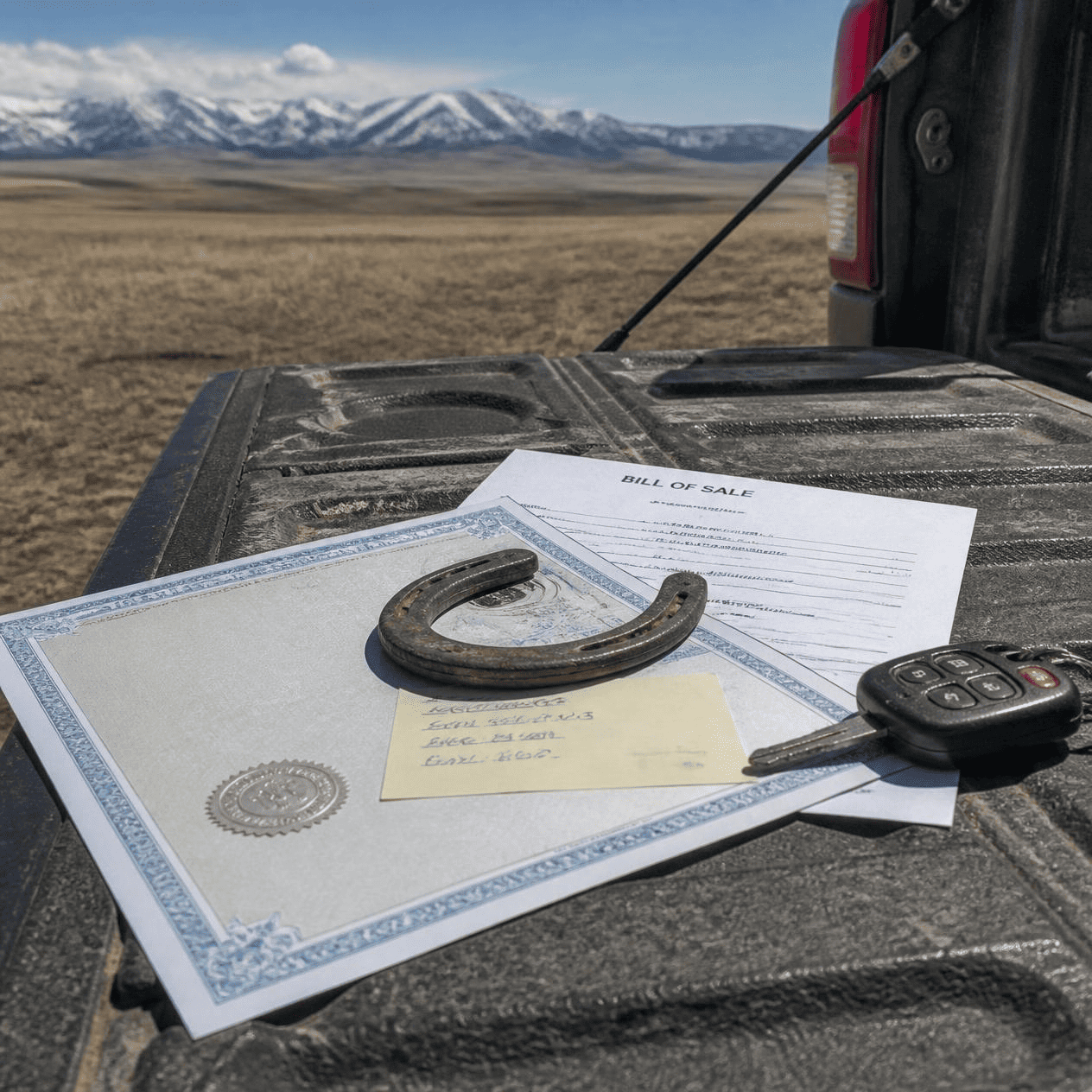
A bill of sale remains useful for recording the price, vehicle details, and agreed terms. KarKiosk’s Puerto Rico bill of sale guide explains that supporting document alongside the ownership-transfer process.
Inspect for Water Damage and Hidden Repair Costs
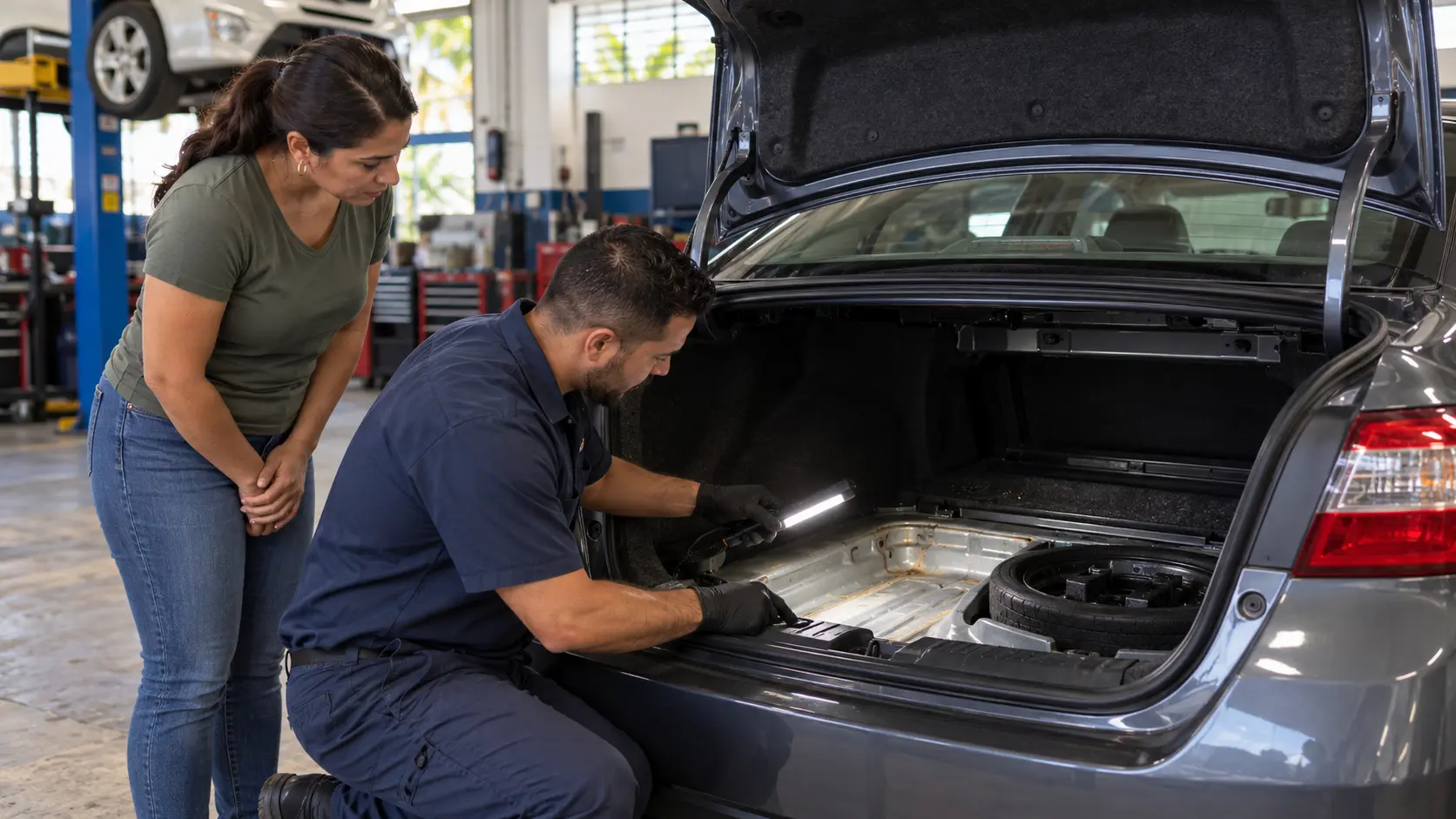
A clean interior is not enough to establish a vehicle’s condition. Arrange an independent mechanical inspection and ask the seller about previous flooding, collision repairs, electrical problems, and insurance claims.
The National Highway Traffic Safety Administration warns that:
“flood damage can affect a vehicle’s mechanisms for years to come”
Ask the mechanic to look for hidden water marks, trapped dirt, unusual corrosion, and signs of moisture in areas that are difficult to clean. NHTSA identifies musty odors, heavy deodorizer use, dirt in concealed areas, and unexpected rust as possible warning signs.
These are reasons to investigate, not automatic proof that a particular vehicle was flooded.
Have the mechanic document any findings and estimate repair costs. Also test the air conditioning, windows, locks, lights, steering, and braking during your inspection and test drive.
Use KarKiosk’s questions to ask before buying a used car from a private seller to prepare for that conversation. Written answers and service records are more useful than a broad assurance that the car has “never had problems.”
Choose the Correct CESCO Transfer Process
Standard Owner Transfer
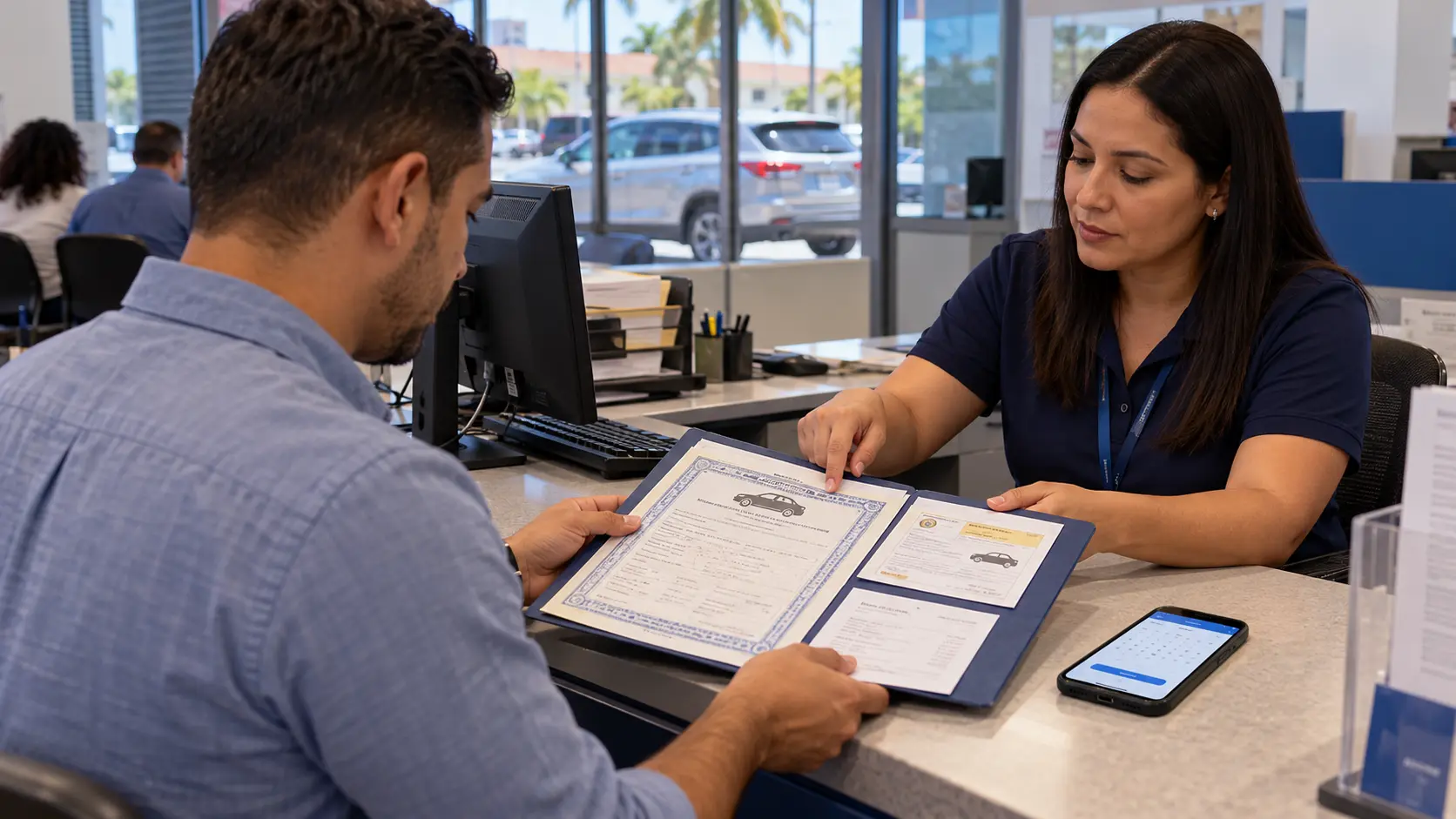
For the standard procedure, arrange the required sworn transfer on the title or use the prescribed affidavit alternative. The affidavit route can require additional documentation, fees, and a vehicle inspection. Do not treat it as a simple substitute for missing paperwork.
CESCO lists a $15 internal-revenue stamp, code 5120, and a $2 voucher, code 0842, for the ordinary owner-transfer process. Those charges total $17, but they are not a guaranteed all-inclusive transaction price.
Notary services, duplicate documents, lien-related work, plates, inspections, or registration matters can create additional costs. Ask which charges apply before purchasing stamps or vouchers.
CESCO Digital Transfer
The published digital-transfer conditions include both parties being at least 21 years old and U.S. citizens. The vehicle must be paid off, meet the registration-date requirement, and have no disqualifying liens or toll fines. The original title is still needed.
These are eligibility conditions for the digital service. Buyers who do not meet them should ask CESCO which standard procedure applies.
The digital process also does not eliminate the physical title step. The seller signs the original title, the buyer completes the required information, and the buyer selects a CESCO appointment to surrender that title and collect the updated one.
Keep the transaction receipt and appointment confirmation. Follow the application’s document instructions rather than assuming an accepted payment means every transfer step is finished.
Keep the Transfer Deadline Separate From the Plate Deadline
For an ordinary private transaction, Puerto Rico law requires the buyer to file the formalized transfer document within 15 days after formalization. Filing late triggers an additional $10 for each month or part of a month, calculated from the formalization date.
A separate rule gives the buyer 10 business days from acquisition to notify the agency which eligible plate will be used or request a plate when needed. These are different requirements with different starting points.
Do not assume the seller’s plate automatically becomes yours. Confirm the lawful plate and registration arrangement before driving away.
The practical approach is to prepare both tasks before the sale and complete them promptly afterward, rather than treating the deadline as a suggested appointment date.
Check Marbete Status Before Taking the Car Home
The marbete is part of the vehicle’s annual licensing and renewal process. Check its recorded expiration rather than assuming a recently purchased car comes with a fresh year of validity.
The government’s digital-marbete guidance says renewal becomes available 31 days before expiration, and the permit expires on the last day of its listed month. Required inspection and unresolved record issues must also be addressed.
Ask the seller to show the current record. Check whether fines, an unfinished transfer, or another restriction could interfere with renewal. Include any upcoming renewal work in your purchase plan.
Compulsory Insurance Is Not Full Coverage
Puerto Rico’s compulsory liability insurance, known as SRO, covers qualifying damage caused to other vehicles up to $4,500 per accident. It does not cover damage to your own vehicle or personal injuries under that policy.
Do not confuse that limited protection with comprehensive or collision coverage. Ask an insurer to explain vehicle-damage coverage, injury protection, deductibles, theft, and flood coverage separately.
Get those answers before handing over payment, especially when the vehicle is financed or would be expensive for you to replace.
Compare Local Purchases With the Full Cost of Importing
A car already registered in Puerto Rico and a car being brought from the mainland should not be compared using asking price alone.
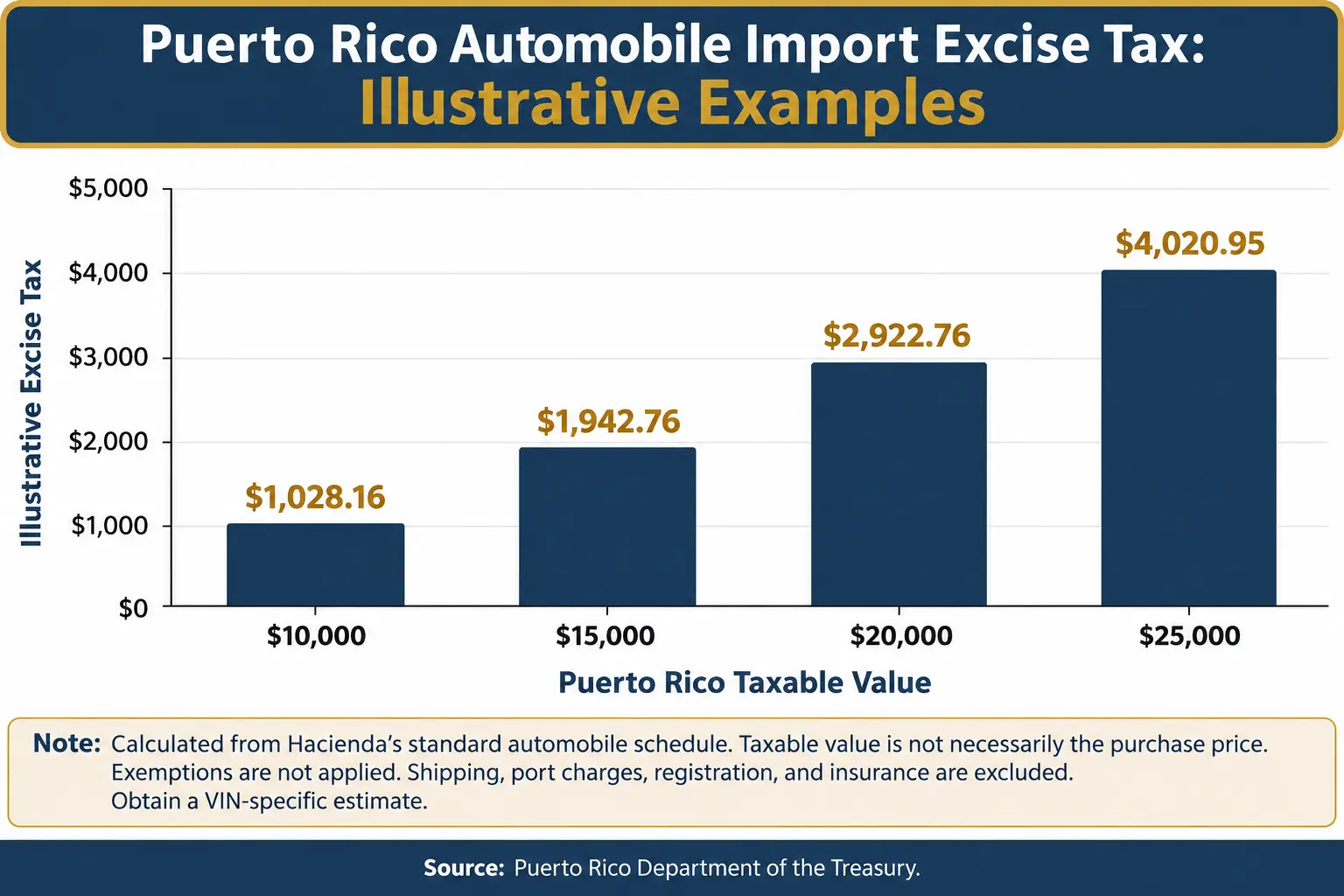
For an import, request a VIN-based excise-tax estimate from Hacienda before booking transportation. The automobile tax schedule uses Puerto Rico’s taxable value, or precio contributivo, rather than simply applying one percentage to every advertised purchase price.
Add quoted shipping, transport insurance, port charges, possible storage, and local registration costs to your budget. Request a written explanation of what each transport quote includes.
An Import-Tax Example
Under Hacienda’s standard automobile schedule, a hypothetical $15,000 Puerto Rico taxable value falls into the bracket calculated as $1,098 plus 19.6% of the amount above $10,690. That produces an illustrative excise tax of $1,942.76.
This is a calculation example, not a VIN-specific assessment. Do not apply this import illustration automatically to every local used-car resale.
Set Payment Conditions Before Completing the Purchase
Agree in writing on the price, vehicle details, included items, and any repairs promised before delivery.
For a vehicle with unresolved ownership or loan paperwork, pause until you understand how the issue will be cleared. Do not accept responsibility for solving an unexplained title problem after paying the seller.
Keep copies of your purchase agreement, inspection findings, transfer receipt, insurance documents, and payment record together.
Use KarKiosk to organize your search, then make the final decision from the vehicle’s condition and complete ownership cost. A lower asking price is useful only when the transfer, insurance, and repair requirements also fit your budget.