
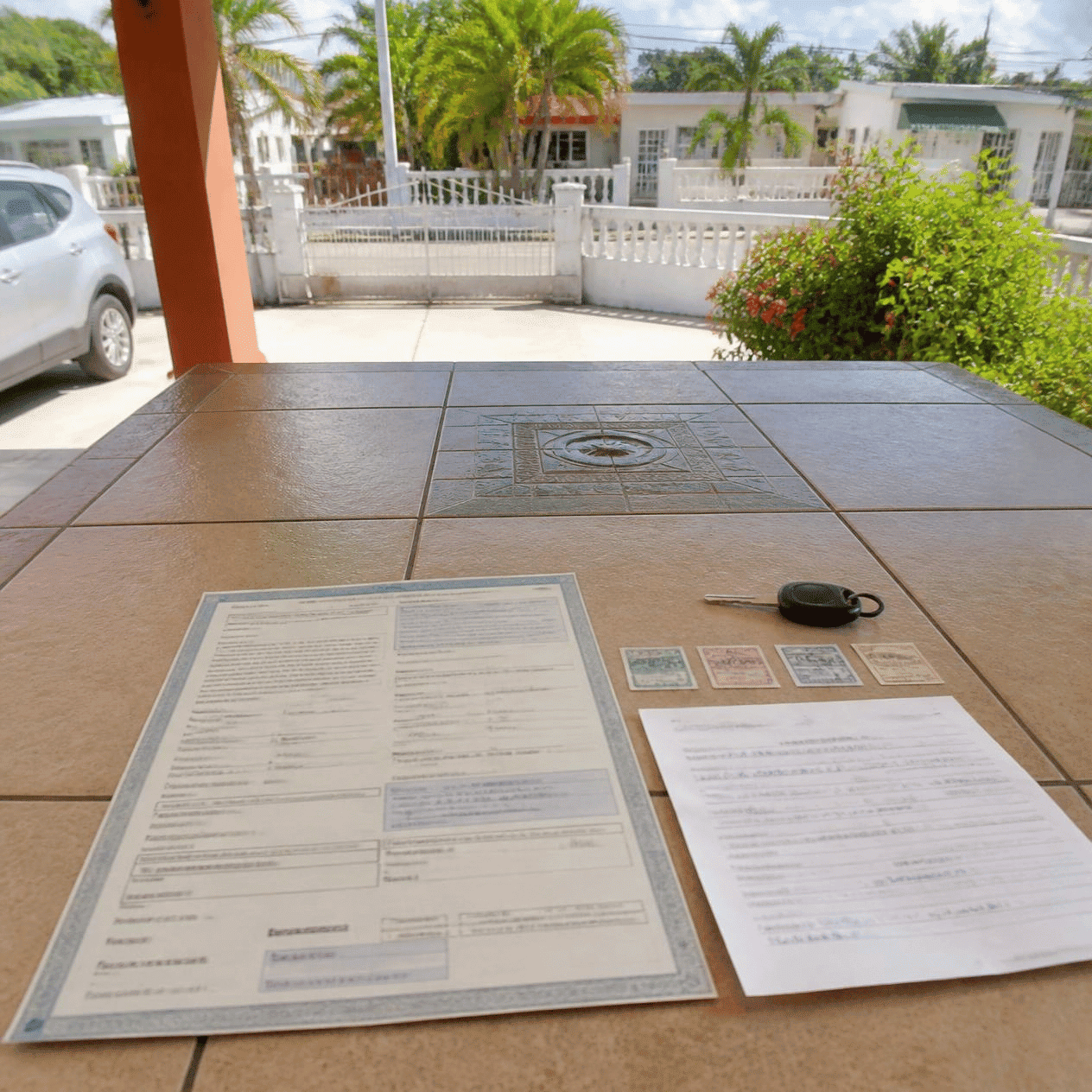
Bill of Sale Sep 22, 2026
California provides Form REG 135 to document a vehicle sale, but a separate bill of sale is not always necessary when the title is properly completed. The buyer must transfer ownership within 10 days, while the seller must report the sale within five days. Use KarKiosk’s free vehicle bill of sale PDF to keep a separate record of the payment, sale date and agreed terms alongside California’s required ownership documents.
California Bill of Sale Quick Facts
Requirement | California Rule |
Official bill of sale | REG 135 |
Supplemental odometer and reassignment form | REG 262 |
Missing California title | REG 227, subject to applicable requirements |
Standard bill-of-sale notarization | Not required |
Buyer’s ownership-transfer deadline | 10 days |
Seller’s release-of-liability notice | Five days |
Private-sale smog certificate | Generally must be issued within the previous 90 days |
Standard ownership-transfer fee | $15, plus applicable taxes and other charges |
Private-purchase tax | Use tax based on the vehicle’s registration address |
Standard license plates | Generally remain with the vehicle |
Is a Separate California Bill of Sale Required?
For a straightforward sale by the registered owner, a properly completed California title generally supplies the essential ownership-transfer information. A separate REG 135 is not automatically required for every private transaction.
However, DMV may need a bill of sale to document an ownership release or establish the chain of ownership when a vehicle has passed through an intermediate buyer. California DMV’s Registration Procedures Manual, Section 1.020, recognizes these uses.
A bill of sale is not a substitute for resolving missing ownership documents. Before paying, check that the seller’s identity matches the title and that any recorded lien has been properly addressed.
Which California Forms and Documents May Be Needed?
The California DMV title-transfer requirements identify the ownership documents and supporting forms used for different transactions.
Prepare the documents that apply to the sale:
California Certificate of Title: Completed with the required seller, buyer and lienholder information.
REG 135, Bill of Sale: Documents the transaction when required or retained as an additional sale record.
REG 262, Vehicle/Vessel Transfer and Reassignment: Used for supplemental odometer disclosure and certain reassignment situations.
REG 227, Application for Replacement or Transfer of Title: Used when an eligible California title is missing.
Smog certification: Required unless the vehicle or transfer qualifies for an exemption.
Lien release: Required when an existing lender’s interest must be released.
REG 256, Statement of Facts: Used for applicable exemptions, explanations and qualifying gift or family transfers.
REG 135 and REG 262 Are Not Interchangeable
REG 135 does not contain an odometer-disclosure section. It records the vehicle description, parties, sale date, price or gift information, and seller’s certification.
When a separate odometer disclosure is necessary, DMV’s Section 5.075 identifies REG 262 as the appropriate form in situations such as a missing title, an inadequate title disclosure section or an altered mileage entry.
REG 262 is a secure paper form obtained from DMV, not a standard downloadable PDF. Do not replace it with a generic receipt when DMV requires the secure form.
Does a California Bill of Sale Need Notarization?
California DMV’s registration manual states that a bill of sale is:
“Not required to be notarized or witnessed.”
That rule does not eliminate acknowledgment requirements on other documents. For example, DMV states that Section 5 of REG 227 requires notarization when a legal owner or lienholder is shown.
Check the instructions on the actual title, replacement application and lien-release paperwork rather than applying the bill-of-sale rule to the entire transaction.
Who Must Provide the Smog Certificate?
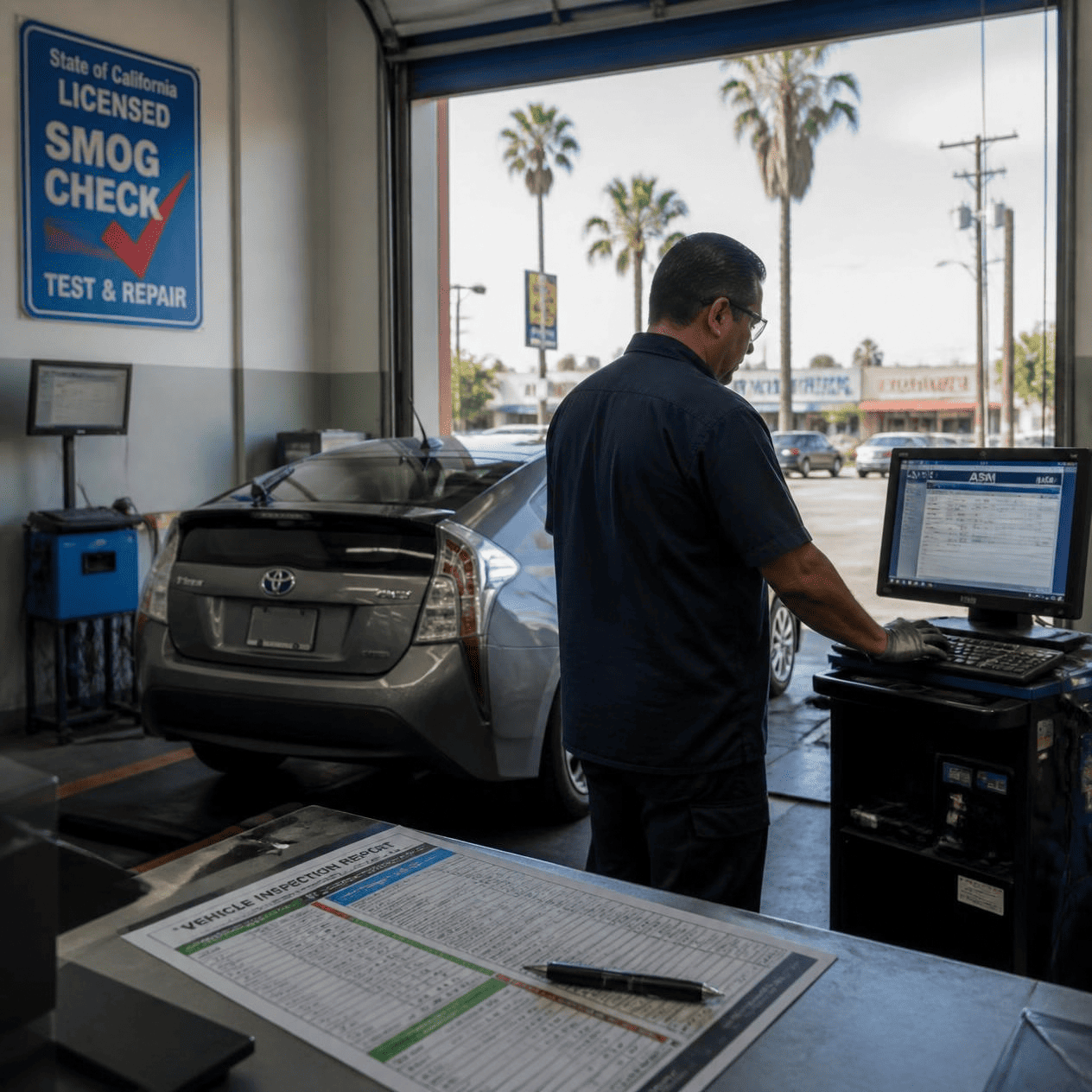
For a covered private sale, the seller must provide the required passing Smog Check. The California Bureau of Automotive Repair’s Smog Check guidance says a vehicle purchased from a private seller must have passed within the previous 90 days.
Ask for the vehicle inspection report and check its date before completing the purchase.
The Four-Year Sale Exemption Is Different From the Eight-Year Renewal Exemption
Qualifying gasoline, hybrid and alternative-fuel vehicles four model years old or newer are exempt from the ownership-transfer Smog Check. An applicable smog transfer fee is paid instead.
The eight-model-year exemption concerns registration renewals, not ordinary private-sale transfers.
Other exemptions include electric vehicles, motorcycles and gasoline vehicles from model year 1975 or earlier. Diesel vehicles follow separate rules.
What Are California’s Buyer and Seller Deadlines?
Seller — within five days: Submit the Notice of Transfer and Release of Liability, commonly called the NRL. Record the buyer’s details accurately and retain the submission confirmation.
Buyer — within 10 days: Submit the ownership-transfer application and required documents to DMV.
These are separate responsibilities under DMV’s title-transfer guidance. The seller’s notice does not issue a new title or complete the buyer’s application.
DMV’s Basic Transfer Requirements also provide a separate 30-day transfer-fee payment threshold before a late penalty applies. That payment rule does not extend the buyer’s 10-day ownership-transfer deadline.

What Tax Applies to a California Private Car Purchase?
A private purchase is generally subject to California use tax, even though the seller is not a dealership.
The California Department of Tax and Fee Administration’s vehicle-tax guidance explains that the rate depends on the address where the vehicle is registered, not simply where the seller lives.
California’s statewide sales and use tax rate is 7.25%, with additional district taxes in many locations.
For example, a $10,000 vehicle taxed at an illustrative combined rate of 8.75% produces $875 in use tax. Confirm the actual address-specific rate before calculating the total.
A Vehicle Swap Is Not Automatically Tax-Free
CDTFA includes property or services exchanged for a vehicle in the purchase price. Paying part of the price with another car does not automatically reduce the taxable amount to the cash difference.
A genuine gift may qualify for an exemption. A transaction involving payment, exchanged property, services or assumed debt should not be described as a gift merely to avoid tax.
Which DMV Fees Are Separate From Use Tax?
California DMV’s Registration Fees schedule lists:
Ownership-transfer fee: $15.
Replacement title: $28 when required.
Smog transfer fee: $8 when applicable.
Other registration charges, outstanding fees and penalties may also be due. A private sale does not automatically create a fresh registration year or erase unpaid registration charges.
Check the vehicle’s registration status before agreeing on the final transaction costs.
Does the Seller Remove the California License Plates?
Standard California plates generally stay with the vehicle. DMV’s License Plates guidance distinguishes these from personalized and certain special plates that the owner may retain or reassign.
Do not remove ordinary plates simply because another state requires sellers to keep them. Personalized-plate retention or transfer must follow the appropriate DMV procedure.
For a vehicle being taken to Oregon, the Oregon bill of sale and title guide explains the buyer’s destination-state paperwork and registration requirements.

What Changes When the Vehicle Has an Out-of-State Title?
An incoming vehicle generally requires its out-of-state ownership documents, REG 343 Application for Title or Registration, vehicle verification and applicable California emissions compliance.
For a Nevada-titled car, review the Nevada bill of sale and title requirements before collecting the seller’s documents. A Nevada sale receipt alone does not complete California registration.
Check California Certification Before Buying a Low-Mileage Vehicle
DMV’s Buying a Vehicle From Out of State guidance treats a vehicle with fewer than 7,500 miles at acquisition by a California resident or business as new for these emissions-registration rules.
A vehicle certified only to federal standards may be ineligible for California registration unless an exemption applies. An existing out-of-state title does not automatically solve that problem.
Check the emissions label and registration eligibility before paying. The mileage threshold is measured at acquisition, not after driving the vehicle around to increase its mileage.