Seller Guide Oct 19, 2026
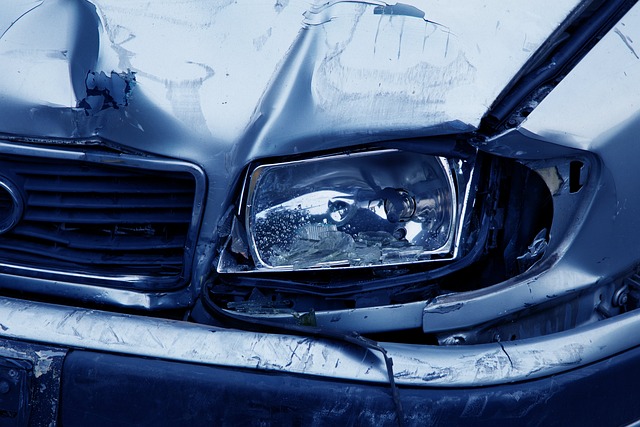
Accidents can have a major impact on your car insurance rates. Depending on the severity of the accident and any damage or injury that occurred, your insurance company may decide to raise your rates.
Accidents negatively affect your insurance rates as they become part of the record used to evaluate your risk as a driver. The more accidents you have, the higher your insurance rates become because you are seen as being at a higher risk of having an accident.
Understanding the factors in play before and after accidents can help you figure out the best way to save money. Insurance providers can have different policies regarding accidents, so it is important to shop around and compare quotes.
What Qualifies as an Accident, and How Does It Affect Insurance Rates?
An accident is defined as an incident in which damage or injury is caused by the action, inaction, or negligence of another party. This includes collisions with other vehicles and also objects.
In terms of insurance, an accident may be handled differently depending on the circumstances and the state where it occurred. Even if you are not at fault, the incident may still become part of your insurance record.
In order to prevent your insurance rates from increasing unnecessarily, it is important to understand the different types of accidents and how they might affect your rates.
For instance, accidents involving two cars may be more likely to affect your rates than an accident where you hit a stationary object because the risk of injury can be higher.
It is also important to be aware of what happens after an accident, such as whether the other party filed a claim and, if so, how much the claim was worth.
Knowing an accident's details can help you understand how it may affect your insurance and allow you to make the best choice for your situation.
What Types of Accidents Lead to Higher Insurance Rates?
It's very important to compare policies between insurance providers before you decide on one. Insurance companies typically use their own formulas to calculate insurance rates, so it's important to be aware of the factors that go into that decision.
Some policies have different definitions for what qualifies as an accident, but accidents involving speeding, impaired driving, serious violations, or reckless behavior can have a greater effect on insurance costs.
In addition, accidents that cause major damage and/or injury are more likely to cause your rates to go up.
Medical payments coverage is one of the coverage types that insurers may use to help pay for medical costs associated with an accident.
If you cause harm to others, liability-related claims may also affect your future insurance costs.
It is important to grasp the different types of accidents and how they affect your insurance rates so you can make the best decision for your situation.
Making sure you understand the different coverage types can help minimize the financial impact in the long run.
How Do Insurers Determine Fault in an Accident?
Quite a few factors go into determining who is at fault in an accident. If the police are called during an accident, the report may be one of the first things insurers review when evaluating what happened.
Due to modern technology, many drivers will either take photos or have a dashcam on one or both vehicles, which can be very helpful in determining who is at fault.
The insurance company may also consider the circumstances that led to the accident, such as whether either driver was speeding, under the influence, or failing to follow traffic laws.
Insurers may also interview both parties and, in some cases, witnesses. They will look for evidence to determine who was responsible and consider all relevant factors before making a decision.
Keep in mind that if you are determined to be at fault for an accident, your insurance rates may go up, and you may have to pay out-of-pocket expenses depending on the severity of the accident and your insurance coverage.
Differentiating Between At-Fault and No-Fault Claims
At-fault and no-fault claims are handled differently depending on state insurance laws.
In states with no-fault insurance systems, personal injury protection (PIP) may help pay for your own medical expenses after an accident regardless of who caused it.
If you are at fault for an accident, liability coverage may help pay for the other party's medical bills or property damage, subject to your policy limits.
In some states, different types of coverage can apply to the same accident, so it is important to understand how your state's insurance rules work and how a claim could affect your rates.
If you have to make a significant liability claim to cover someone else's medical expenses or property damage, your insurance premium could increase at renewal.
Some drivers may also dispute an at-fault determination if they believe the evidence does not accurately reflect what happened.
Gathering your own evidence as soon as the accident occurs is one of the best ways to help ensure that the circumstances are documented accurately.
How to Ensure You Aren't Falsely Charged During an Accident
It can negatively affect your record if you are incorrectly determined to be at fault for an accident, and resolving disputes can sometimes be difficult.
If you do get into an accident, it is important to collect evidence and stay calm. Take photos of the accident scene and get contact information from any witnesses, if there are any.
Installing a dashcam can also help provide additional evidence in the event of an accident, hit-and-run, or disagreement over what happened.
Writing down what you believe happened shortly after an accident occurs can help you maintain a clear record of the incident.
Letting too much time pass before reviewing your own account can make it more difficult to remember important details.
Police can also provide useful documentation when they respond to an accident. A police report can become an important piece of evidence when insurers investigate the circumstances of a crash.
Tips for Reducing Your Insurance Payments After a Car Accident
While you can't undo an accident that has already affected your insurance record, you can take steps to manage your insurance costs going forward.
You may not be able to avoid higher rates immediately, but you can reduce the chances of another accident and review your current insurance policy for possible savings.
Increasing your deductible may reduce the cost of your premium. However, make sure you have enough money available to cover the higher deductible if you need to make another claim.
Having a larger deductible may reduce your insurance expenses, but it also means paying more out of pocket when making certain claims.
It is also important to understand the differences between at-fault and no-fault claims. Collecting evidence, staying alert behind the wheel, using a dashcam, and obtaining appropriate documentation can help establish what happened after an accident.
While you may not be able to prevent higher rates after an at-fault accident, reviewing your deductible, comparing insurance policies, and maintaining a safe driving record can help you control insurance costs over time.