
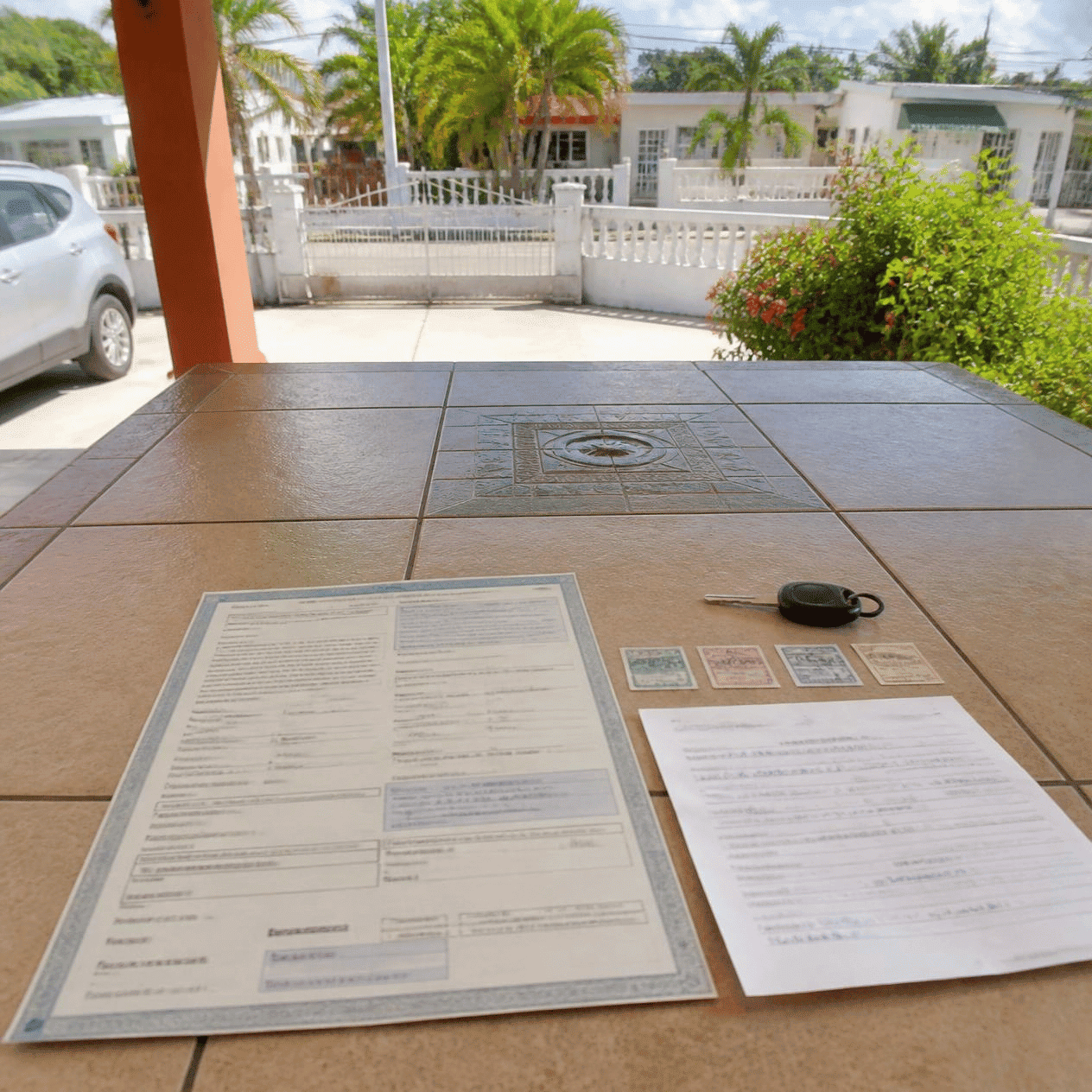
Bill of Sale Sep 22, 2026
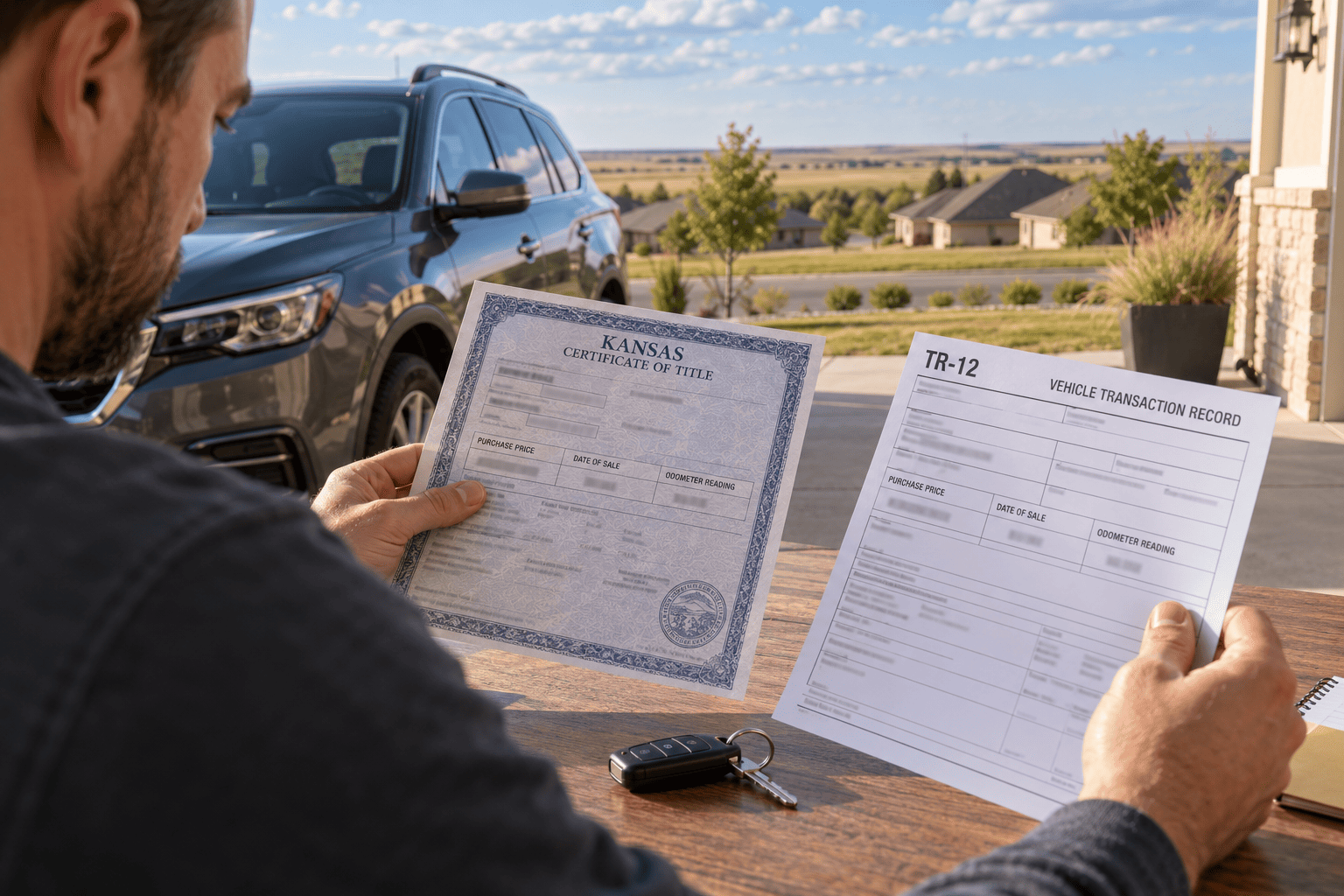
Kansas does not require a separate bill of sale for an ordinary titled vehicle when the assigned title already contains the purchase price. If the title has no price field, the buyer and seller can use the bill-of-sale section of Form TR-12. The buyer generally has 60 days to apply for title and registration. Keep a separate transaction record with KarKiosk’s free vehicle bill of sale PDF alongside the assigned title.
Kansas Bill of Sale Quick Facts
Requirement | Kansas Rule |
Standard bill-of-sale document | Bill of Sale section of TR-12 |
Ordinary titled vehicle | Assigned title is required |
Separate bill of sale | Required when purchase price is not recorded on the title |
Buyer’s title and registration deadline | 60 days |
Standard Kansas title fee | $10 |
State sales tax | 6.5%, plus applicable local tax |
Out-of-state vehicle | MVE-1 VIN examination generally required |
Ordinary bill-of-sale notarization | Not generally required |
Seller’s plate | Removed from the sold vehicle |
Seller notification | TR-216 is available |
State safety/emissions program | No general Kansas safety or emissions inspection program |
When Does Kansas Require a Bill of Sale?
Kansas uses the assigned title as the main transaction document for most private vehicle sales.
The Kansas Division of Vehicles title FAQ explains that when the title assignment does not contain a space for the purchase price, the parties also need the Bill of Sale section on Form TR-12, Affidavit to a Fact.
Kansas therefore differs from states where every private transaction requires a standalone bill-of-sale form.
The Department of Revenue states:
“A Bill of Sale is NOT required if the sale price is entered on the vehicle title.”
That does not make the purchase price optional. It means the price can be documented on the assigned title instead of being duplicated on another form.
For an Oklahoma-titled vehicle, collect the seller’s documents using the Oklahoma bill of sale guide before starting the Kansas transfer.
What Must Be Completed on the Kansas Title?
For an ordinary Kansas-titled used vehicle, the assignment should include:
Purchase price.
Date of sale.
Odometer reading, when applicable.
Seller’s printed name and signature.
Buyer’s printed name and signature.
Required lien release, if a lien remains recorded.
The seller should not leave transaction fields blank for the buyer to complete later unless the state procedure specifically allows it.
When ownership names are joined on the title:
AND: All listed owners must sign.
OR: Either owner may sign.
AND/OR: Either listed owner may generally sign.
When no connector appears between multiple owners, Kansas treats the ownership as AND, requiring all signatures.
Does a Kansas Bill of Sale Need Notarization?
For a normal Kansas transaction, the Division of Vehicles does not require most title assignments, title applications or bills of sale to be notarized.
A lien release is different. Kansas requires applicable lien-release documentation to be notarized.
Do not use the ordinary bill-of-sale rule to decide how a lienholder or an out-of-state title must execute its paperwork.
Kansas Has a 60-Day Title and Registration Deadline
The buyer generally has 60 days from the purchase date to apply for Kansas title and registration.
Applications are handled through the county treasurer in the county where the vehicle is garaged.
Do not interpret the 60-day filing period as automatic authority to drive the car for two months without proper registration.
Prepare the transfer documents promptly because missing lien releases, title errors or VIN-inspection requirements can take time to resolve.
For a standard used vehicle, expect to provide:
Properly assigned ownership document.
Current proof of insurance.
Sales-tax payment or documentation.
MVE-1 when an inspection is required.
Lien release where applicable.
Property-tax payment as required for registration.
Kansas lists a $10 standard title fee. Registration and property-tax amounts depend on the vehicle and county.
How Much Sales Tax Applies to a Kansas Private Car Sale?
Kansas calls a private-party transaction an isolated or occasional sale.
The seller normally does not collect the tax. Instead, the buyer pays it to the county treasurer when applying for title and registration.
The Kansas Department of Revenue motor vehicle tax publication sets the state sales-tax component at 6.5%, with applicable local taxes added.
For state tax alone:
$5,000 purchase → $325
$10,000 → $650
$15,000 → $975
$20,000 → $1,300
$30,000 → $1,950
The final Kansas amount can be higher because local city, county or special-jurisdiction taxes can apply.

Which Local Tax Rate Applies to a Private Sale?
Kansas has a distinctive sourcing rule for private vehicle transactions.
For an in-state private sale, the Department of Revenue generally looks at where the vehicle was located when the sale negotiations first occurred.
The county treasurer then applies Kansas’s sales and compensating-use-tax rules, which can require additional local tax when the buyer’s registration address produces a higher applicable rate.
For an out-of-state purchase, the Kansas resident generally pays the Kansas rate associated with the buyer’s residence, subject to credit for qualifying tax already paid elsewhere.
This is why two Kansas buyers paying the same price for similar vehicles can owe different final tax amounts.
A Very Low Sale Price May Be Reviewed
Kansas normally calculates private-sale tax from the actual selling price.
However, the Department of Revenue can use fair market value when:
The selling price is unknown; or
The stated price does not bear a reasonable relationship to the vehicle’s fair market value.
A heavily damaged car is treated differently. Kansas tax guidance states that the actual selling price is used for wrecked or damaged vehicles.
Keep photographs, repair estimates and the signed transaction record when condition explains an unusually low price.
Selling One Car and Buying Another Is Not Automatically a Trade-In
Kansas distinguishes a direct vehicle trade from two separate transactions.
If Buyer A directly gives Seller B another qualifying vehicle as part of the same transaction, the fair market value of the vehicle traded can qualify for a trade-in allowance.
But selling your old car to one person and later using that money to buy another car from someone else does not create a trade-in deduction.
Example:
You sell your old car privately for $6,000 and buy another car from a different seller for $15,000.
The $6,000 does not automatically reduce the taxable purchase to $9,000. Kansas generally taxes the separate $15,000 purchase under the applicable rules.
Do Out-of-State Vehicles Need a VIN Inspection?
Yes, in most ordinary cases.
Kansas requires a Motor Vehicle Examination, Form MVE-1, before titling a vehicle that carries an out-of-state ownership document.
The buyer takes the vehicle and its ownership document to an authorized inspection location. The resulting MVE-1 is then submitted with the title application.
Kansas also requires an examination in several special situations, including specified antique, salvage, rebuilt and nonhighway transactions.
A buyer bringing in a Colorado vehicle should first make sure the seller has completed the ownership documents described in the Colorado bill of sale guide. Kansas then applies its own MVE-1 requirement.

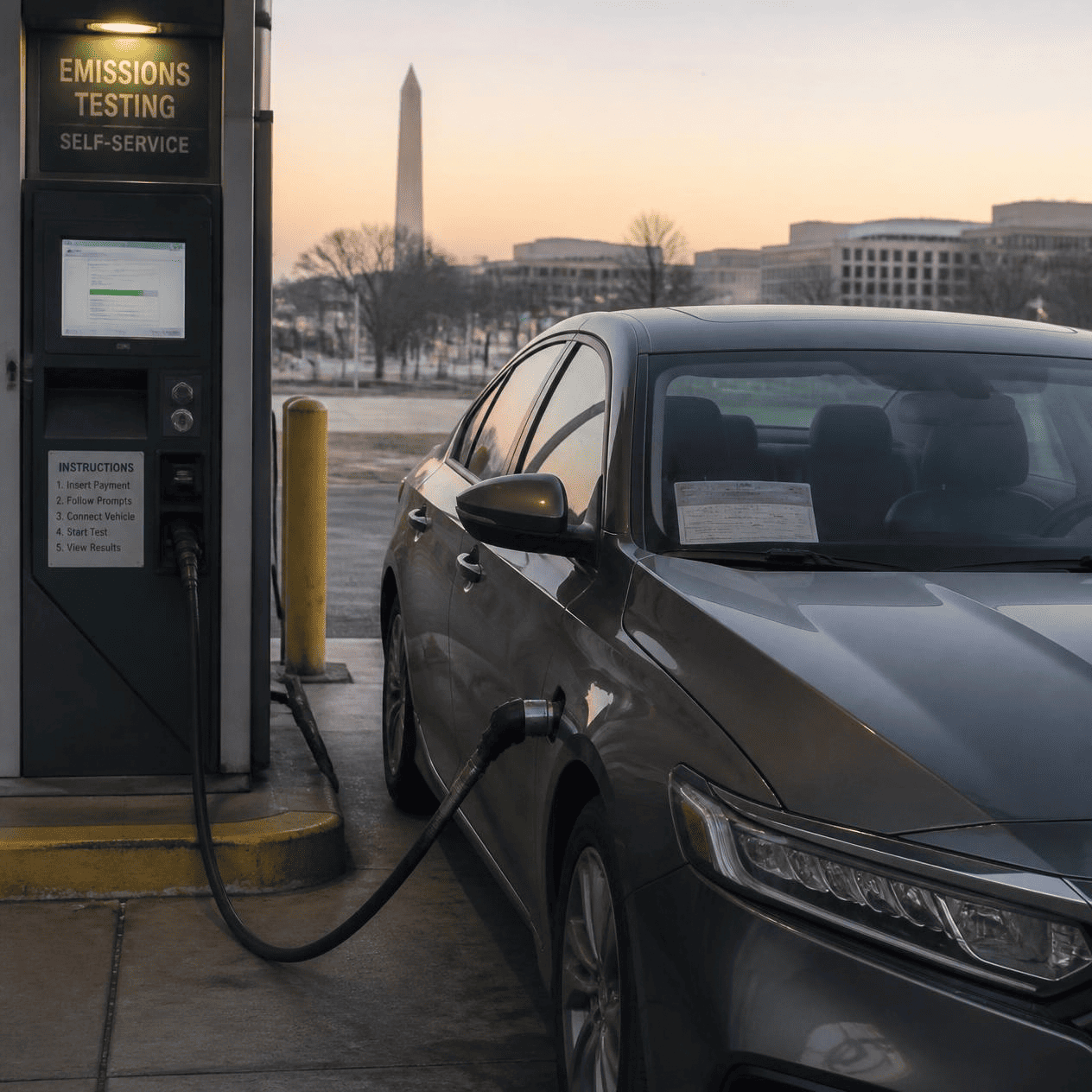
Kansas Does Not Have a General Emissions or Safety Inspection Program
A Kansas VIN examination should not be confused with a mechanical safety inspection or an emissions test.
The Division of Vehicles states that Kansas has no general safety or emissions inspection requirement or program.
The MVE-1 focuses on vehicle identity and ownership documentation.
A vehicle can therefore need an MVE-1 even though Kansas does not require periodic emissions testing.
Antique Vehicles Have a Different Bill-of-Sale Rule
This is one of the most important Kansas exceptions.
Only qualifying antique vehicles can generally use a bill of sale as the ownership-transfer document when no title is available.
Kansas defines an antique vehicle for this process as one that is at least 35 model years old, subject to the applicable antique-vehicle conditions.
For ordinary newer cars, a missing title cannot simply be replaced by a handwritten receipt.
For qualifying antique vehicles:
The applicable Kansas bill of sale must be properly completed.
The seller certifies ownership.
The buyer applies within the 60-day period.
Certain antique vehicles require an MVE-1 examination.
In particular, antique vehicles 60 years old or newer being transferred by bill of sale require the specified vehicle examination before the antique title can be issued.
What Happens to the Kansas License Plate?
The seller must remove the Kansas plate when the vehicle is delivered to the buyer.
The plate belongs to the previous registered owner rather than automatically following the vehicle.
A seller replacing the vehicle can potentially transfer an eligible registration and plate to another vehicle through the county treasurer process.
Kansas also provides Form TR-216, Seller’s Notification of Sale.
Submitting TR-216 can create a state record supporting the seller’s claim that the vehicle was transferred. Keep a copy of the front and back of the assigned title as additional proof.

What if the Kansas Title Is Electronic?
Kansas uses electronic titles when a lien is recorded.
A seller with an electronic title may need to resolve the lien and obtain the appropriate title documentation before the buyer can complete ordinary registration.
For eligible transactions, Form TR-39A, Electronic Title Sales Agreement, can support the temporary-registration process while the title paperwork is being resolved.
The seller may also use TR-40, Power of Attorney and Odometer Disclosure for Electronic Title, in an eligible transaction.
A payment receipt alone does not establish that the electronic lien has been released.