
Bill of Sale Sep 22, 2026
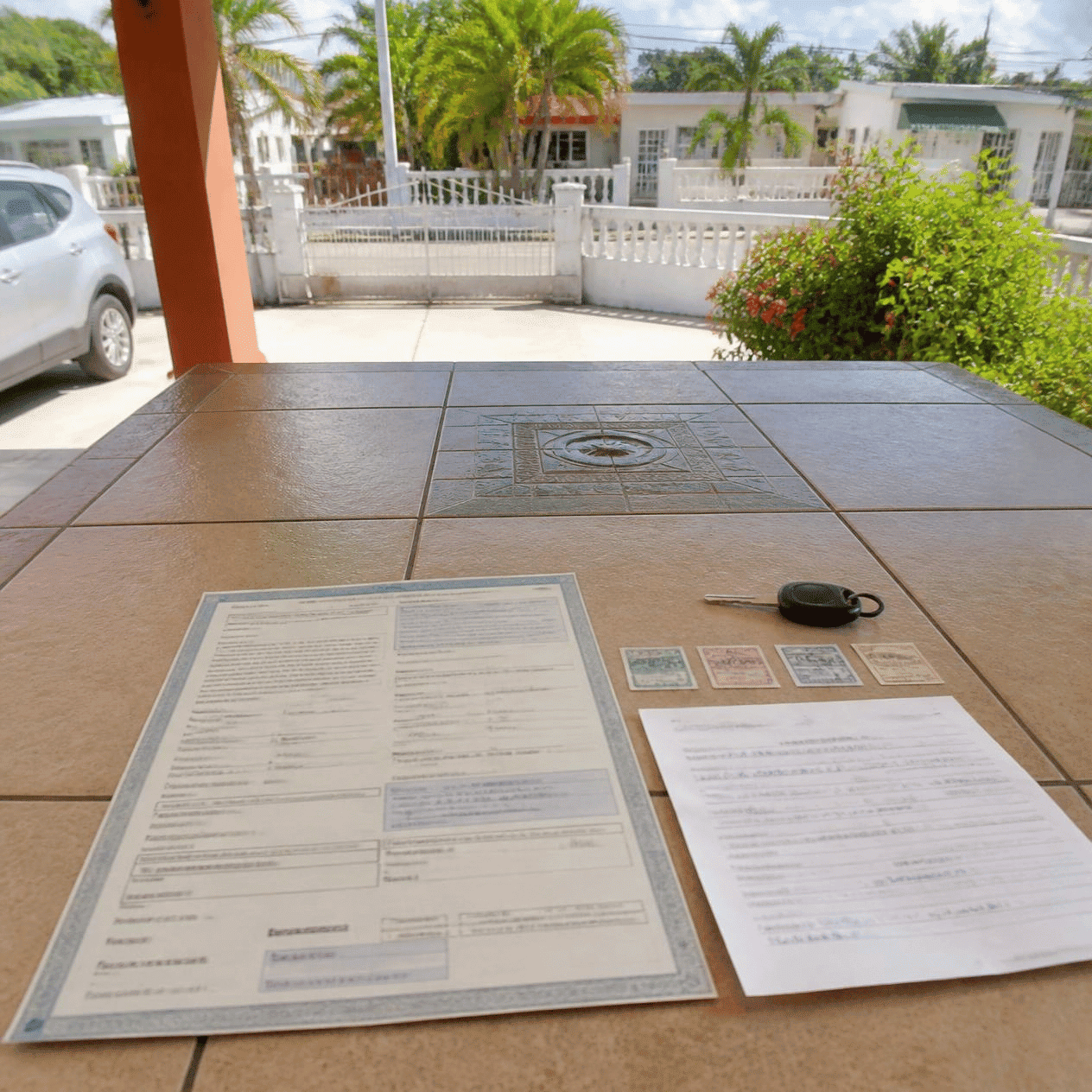
Colorado does not always require a separate bill of sale when the title contains all necessary information, but it is required when the sale price is missing and is essential for the limited 36-hour driving exception. Buyers have 60 days to title and register the vehicle, and county offices may request a separate sale record in their application checklist. Use KarKiosk’s free bill of sale PDF to record the transaction, adding the exact sale time when needed.
Colorado Bill of Sale Quick Facts
Requirement | Colorado Rule |
Separate bill of sale | Required when the price is missing from the title; also needed for the limited 36-hour driving exception |
Secure sale and odometer form | DR 2173 |
Title and registration application | DR 2395 |
Standard bill-of-sale notarization | Generally not required |
Buyer’s title and registration deadline | 60 days |
Late registration charge | $25 per month or part of a month, up to $100 |
Seller’s release-of-liability report | Optional report available within five days |
State sales or use tax | 2.9%, plus applicable local tax |
Annual specific ownership tax | Based on vehicle classification, original taxable value and age |
License plates | Seller removes them; buyer obtains registration or a permit |
When Does Colorado Require a Bill of Sale?
The Colorado DMV private-sale requirements explain that a separate bill of sale is unnecessary for the state title-transfer procedure when the title is correctly completed. However, it is:
“required if the sale price is not listed on the title.”
County application checklists can still request a separate bill of sale. Bring one rather than assuming the completed title will satisfy every document request.
Include the vehicle’s year, make, model and VIN; buyer and seller details; actual price; sale date; and signatures. Record the time of sale as well when the buyer may need the limited after-hours driving exception.
Does the Bill of Sale Need Notarization?
An ordinary Colorado vehicle bill of sale generally does not require notarization. Boulder County’s private-sale instructions expressly describe notarization as optional.
Both parties should sign the sale record, particularly when it will support the 36-hour exception. An out-of-state title, lien release or power of attorney can have separate signature requirements.
Is DR 2173 a Free Downloadable Form?
DR 2173 is a secure Motor Vehicle Bill of Sale form, not a standard template that can be recreated or printed from an ordinary PDF.
Colorado DMV’s forms library identifies it as a secure form available through authorized suppliers. It can provide the required odometer disclosure when that disclosure is not completed on the title.
A regular bill of sale can document the price and transaction terms, but it is not interchangeable with a secure odometer statement.
Colorado DMV’s title guidance requires odometer disclosure for model-year 2011 and newer vehicles during their first 20 years, subject to applicable exemptions.
What Documents Does the Buyer Take to the County Office?
Most personal vehicle title and registration transactions are handled by the county motor vehicle office, not a state driver-license office.
Prepare:
Properly assigned title: Including the required seller signatures and buyer information.
DR 2395: Application for Title and/or Registration.
Bill of sale and odometer disclosure: As required by the title and county checklist.
Secure and verifiable identification and insurance: For the buyer and vehicle.
Lien documents: An existing lien release or complete security agreement for new financing.
Inspection documents: Emissions certification and VIN verification when applicable.
Colorado DMV’s Vehicle Resource Center and title guidance distinguish county registration services from driver-license services. Check the county’s appointment requirements before visiting.
What Are the Buyer and Seller Deadlines?
The buyer has 60 days from purchase to title and register the vehicle. Colorado DMV lists late registration charges of $25 for each month or part of a month, up to $100.
The deadline does not authorize 60 days of driving without registration. Arrange a temporary permit or registration before ordinary road use.
The seller may file an optional release-of-liability report within five days. Use the report to create a state record of the transfer and retain the confirmation with the sale documents.
The seller’s report does not replace the buyer’s title application.
Can the Buyer Drive Home Without Plates?
Colorado sellers remove their plates. The buyer must obtain appropriate registration or a temporary permit unless a specific exception applies.
Under C.R.S. §42-3-115, the limited private-sale exception applies when:
The vehicle was purchased from a private seller within the previous 36 hours.
The purchase occurred on a Saturday, Sunday, legal holiday, or during the specified after-hours period of 5 p.m. to 8 a.m.
The vehicle is being moved from the seller’s storage location to the place where the buyer intends to store it.
The buyer carries proof of insurance and a bill of sale showing the date and time, vehicle identification and both parties’ signatures.
These conditions are reproduced in Boulder County’s official vehicle bill of sale. This is not a 36-hour permit for commuting, shopping or general driving.
A Kansas resident taking the car home should check the Kansas bill of sale and registration guide. Do not assume Colorado’s limited exception provides driving permission throughout an interstate journey.

What Sales Tax Applies to a Colorado Private Purchase?
Colorado’s standard state sales and use tax rate is 2.9%. Applicable city, county and special-district taxes can increase the total.
The Department of Revenue’s Motor Vehicle Sales and Consumer Use Tax Guide explain that the county clerk collects applicable unpaid taxes before issuing title and registration.
For example, a $20,000 taxable purchase produces $580 in state tax before local taxes and registration charges.
A private seller’s decision not to collect tax does not make the transaction tax-free. Report the actual price and provide documentation for any claimed exemption or credit.
Why Does Colorado Charge an Annual Ownership Tax?
Specific ownership tax is separate from purchase tax. It is collected with registration and depends on the vehicle’s original taxable value and age—not simply the amount paid in the latest private sale.
The Colorado DMV vehicle taxes and fees guidance explains that a standard Class C passenger vehicle has a taxable value equal to 85% of its original manufacturer’s suggested retail price.
For a passenger car with an original MSRP of $30,000, the taxable value is $25,500. In its fifth through ninth years, the 0.45% rate produces $114.75 in annual specific ownership tax.
Buying that car used does not restart the first-year tax schedule.

What Other Registration Charges Can Apply?
Colorado’s registration total can include weight-based charges, road and bridge surcharges, plate materials, county charges and other applicable fees. Electric and plug-in hybrid vehicles can have additional charges.
The $29 Keep Colorado Wild Pass is optional. It is separate from the vehicle’s purchase tax and ownership tax.
Use the vehicle’s VIN, original value, weight and registration address when requesting a county estimate. A single advertised “Colorado registration fee” will not describe every buyer’s total.
Does an Out-of-State Vehicle Need VIN Verification?
Colorado DMV’s VIN Inspections guidance generally requires DR 2698, Verification of Vehicle Identification Number, for a used vehicle brought in from another state.
Authorized verifiers include Colorado law enforcement, licensed Colorado dealers and emissions stations. Some county clerks also provide the service.
For a Wyoming-titled purchase, review the Wyoming bill of sale and title requirements before collecting the seller’s documents.
A standard VIN verification is different from a certified VIN inspection. Salvage, rebuilt, missing-document and other special cases may require the more detailed certified inspection process.
Who Provides the Colorado Emissions Test?
When the buyer’s registration location falls within an emissions-testing area and the vehicle is not exempt, the seller must obtain the required passing test.
Colorado’s gasoline-testing program covers the Denver metropolitan and North Front Range areas, including all or parts of several counties. The buyer’s address matters; a rural seller’s location does not automatically exempt the transaction.
A Renewal Exemption May Not Cover a Sale
Colorado DMV’s 2026 Gas Emissions Requirements identify a useful distinction: a 2020 gasoline or hybrid vehicle can be exempt for renewal but require testing when ownership changes.
The health department explains that a vehicle sold during its newer-vehicle exemption period must have at least 12 months of exemption remaining to retain the sale exemption.
Diesel vehicles have different schedules. Confirm the vehicle’s fuel type, model year and registration address before arranging the test.