
Buyer Guide Oct 16, 2026
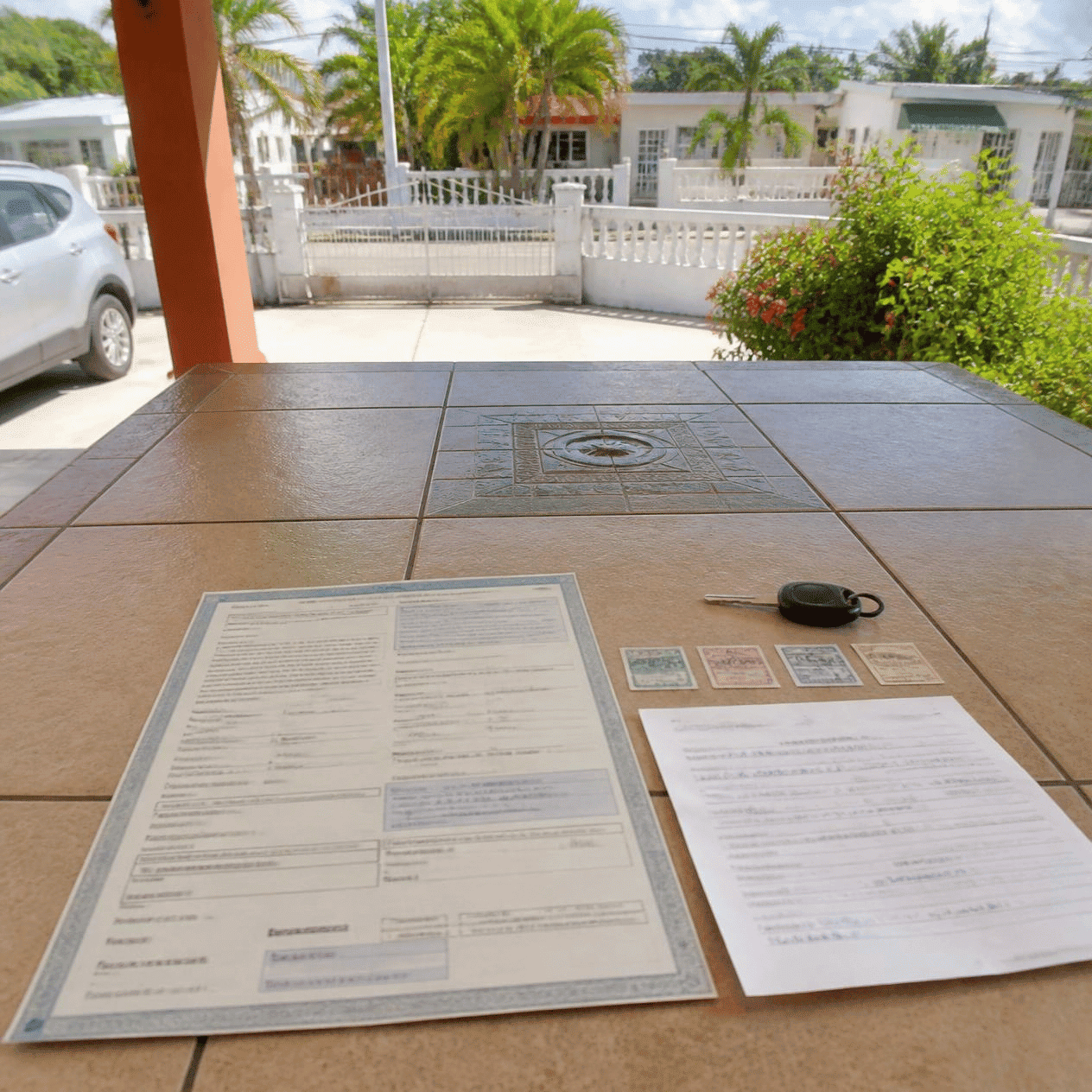
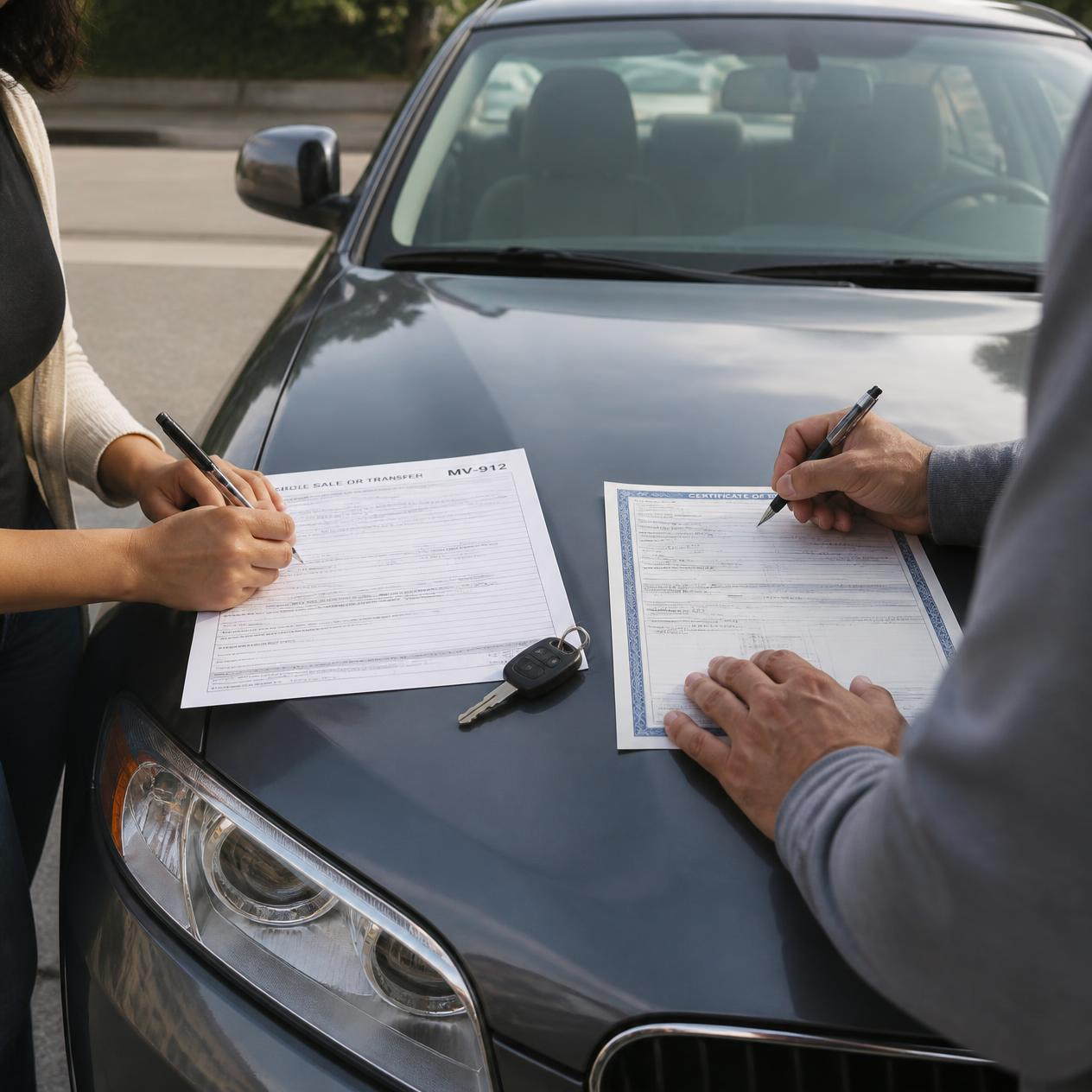
New York requires two separate forms of evidence in most private vehicle sales: proof of sale and proof of ownership. The seller and buyer complete a bill of sale such as Form MV-912, while the assigned title—or a transferable registration for an older vehicle—establishes ownership.
To keep a clear written record of the private sale, buyers and sellers can also use KarKiosk’s free bill of sale PDF alongside the required ownership paperwork.
The buyer must apply for a new title within 30 days after the transfer. After registration, the buyer receives a 10-day inspection extension because the previous owner’s inspection does not remain valid.
New York Uses a Two-Proof Transfer System
“Two things are needed for most successful vehicle sales or transfers: proof of sale and proof of ownership.”
— New York Department of Motor Vehicles
The two documents perform different functions.
Evidence | What It Proves | Common Document |
Proof of sale | Who bought and sold the vehicle, the sale date and the amount paid | MV-912 Vehicle Bill of Sale |
Proof of ownership | Who legally owns the vehicle and has authority to transfer it | Certificate of Title or transferable registration |
Tax statement | Whether sales tax is due or an exemption applies | DTF-802 Statement of Transaction |
Registration application | Who will title and register the vehicle | MV-82 Vehicle Registration/Title Application |
A bill of sale does not replace a required title. The title does not eliminate the requirement to provide proof of the sale.
New York Bill of Sale Quick Facts
Question | New York Rule |
Official bill-of-sale form | MV-912 |
Is proof of sale required? | Yes, including for a gift |
Primary ownership proof for 1973 and newer vehicles | Original certificate of title |
Ownership proof for most 1972 and older vehicles | Transferable registration plus bill of sale |
Standard notarization | Not required for MV-912 or a New York title assignment |
Buyer’s title-application deadline | 30 days |
State sales tax | 4%, plus applicable local tax |
Title certificate | $50 |
Original standard plates | $25 |
Inspection after registration | Within 10 days |
Seller’s plates | Removed, transferred or surrendered before insurance cancellation |
These rules come from the New York Department of Motor Vehicles, the New York State Department of Taxation and Finance, and New York Vehicle and Traffic Law.
Which Ownership Document Does the Buyer Need?
The correct ownership document depends mainly on the vehicle’s model year.
Model-Year 1973 or Newer
The seller normally provides the original New York Certificate of Title. The seller must complete the transfer section, and the buyer’s name must appear as the purchaser.
The seller cannot transfer a title that another person previously signed over to the seller without first obtaining a title in the seller’s own name. New York DMV also rejects ownership documents containing alterations, erasures or unexplained changes.
Model-Year 1972 or Older
New York generally uses a transferable registration rather than a title for these vehicles.
The buyer needs:
The original or certified copy of the transferable registration.
The seller’s signature on the back.
A bill of sale identifying the transaction.
Any additional ownership evidence requested by DMV.
The registration must be marked “transferable.” A non-transferable registration is not ownership evidence.
What Information Must MV-912 Include?
The official MV-912 Vehicle Bill of Sale records:
Seller’s name.
Buyer’s name.
Purchase price.
Vehicle year, make and model.
Full VIN.
Additional terms and conditions.
Seller’s address, signature and date.
Buyer’s address, signature and date.
New York also accepts another bill-of-sale format when it contains the required vehicle, buyer, seller, price, date and signature information. Using MV-912 reduces the risk of omitting a required field.
The buyer and seller should make copies before the transaction is completed. The buyer submits the original bill of sale to DMV with the ownership documents.
Does a New York Bill of Sale Need to Be Notarized?
New York does not impose a general notarization requirement on MV-912 or the ordinary assignment of a New York title.
Notarization can apply when the vehicle has an out-of-state title. New York DMV requires the transfer section to be notarized when the issuing jurisdiction requires or uses notarized title assignments. The buyer should follow the requirements attached to the title rather than assuming New York’s standard rule controls an out-of-state document.
A power of attorney, estate transfer, court order or other special transaction may also require original or acknowledged documents.
What Documents Does the Buyer Bring to DMV?
Document | Purpose |
Original assigned title or transferable registration | Establishes ownership |
Original MV-912 or qualifying bill of sale | Proves the private sale |
MV-82 Registration/Title Application | Requests registration and title |
DTF-802 Statement of Transaction | Calculates tax or supports an exemption |
New York insurance identification card | Proves active New York coverage |
Proof of identity and date of birth | Identifies the applicant |
Lien release | Removes a satisfied lien |
Payment | Covers tax, title, plates, registration and local charges |
New York insurance must be in effect before registration. The name and VIN on the insurance documentation must agree with the registration application.
Which Mileage and Damage Disclosures Are Required?
For a model-year 2011 or newer vehicle transferred during its first 20 model years, the seller must complete the odometer disclosure.
For example, a model-year 2011 vehicle requires disclosure for transfers occurring through 2030. The seller must indicate whether the mileage is actual, exceeds the odometer’s mechanical limits or is not the actual mileage.
The Damage Disclosure Statement on the back of a New York title must also be completed. New York DMV warns against altering, erasing or changing title information; the current owner may need to obtain a replacement title when the original has been altered.
How Long Does the Buyer Have to Apply for Title?
The buyer must execute the application for a new title and deliver or mail the title and application to DMV within 30 days after the transfer.
The responsibility remains with the buyer even when another person helps prepare or submit the application. Waiting until the thirtieth day can create problems if a title, lien release, signature or tax document is incomplete.
The 30-day title rule is separate from the 10-day inspection period. The inspection period begins when the vehicle is registered, not when the private sale occurs.
How Is New York Sales Tax Calculated?
The buyer and seller complete Form DTF-802, Statement of Transaction, for a private sale or gift. DMV calculates and collects the tax and issues the required sales-tax receipt.
New York’s state sales-tax rate is 4%. The buyer also pays the applicable local rate, and an additional 0.375% applies in the Metropolitan Commuter Transportation District. For a motor vehicle, the combined rate is generally determined by the purchaser’s residence rather than the location where the parties meet.
Below-Market Sale
The seller must complete Section 6 of DTF-802 when a vehicle is sold below fair market value to someone other than the seller’s:
Spouse.
Parent.
Child.
Stepparent.
Stepchild.
The section explains cash, assumed debt, property exchanges and other consideration involved in the transaction. DMV can use fair market value when the form does not adequately explain a below-market transfer.
Gift Transfer
A gifted vehicle still requires a bill of sale.
The parties should:
Identify the transaction as a gift.
Enter a purchase price of $0.
Complete DTF-802.
Complete Section 6 when required.
Provide the assigned title or transferable registration.
A gift changes the tax treatment but does not eliminate the ownership-transfer process.
What New York Title and Registration Fees Apply?
Charge | Current Amount or Method |
Title certificate | $50 |
Original standard plates | $25 |
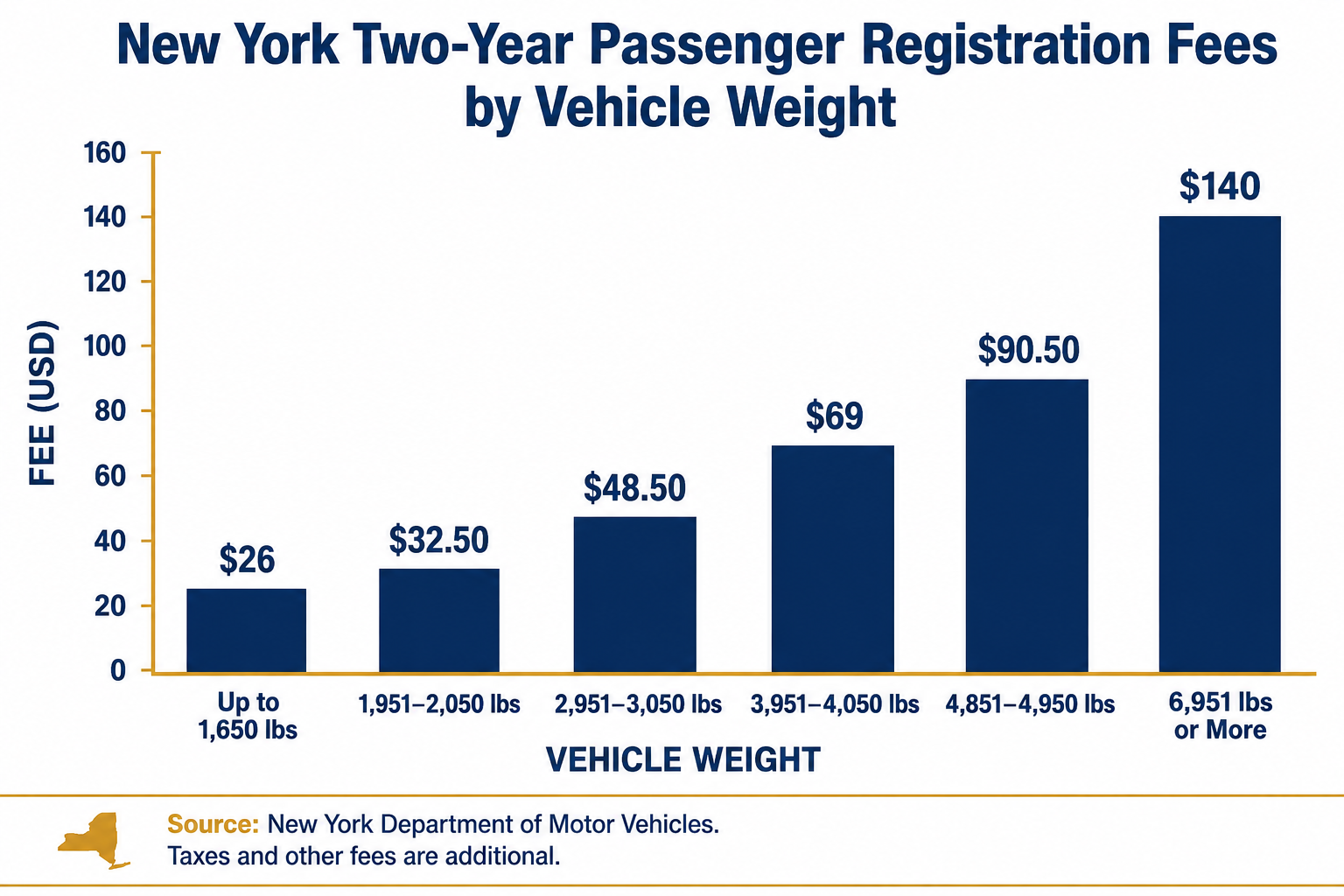
Passenger registration | Based mainly on vehicle weight |
County vehicle-use tax | Depends on residence |
MCTD supplemental fee | $50 for two years in covered counties |
Sales tax | Combined state and local rate |
Passenger registrations are generally issued for two years. Residents who transfer an existing New York registration and plates may avoid the new-plate charge and may receive credit for remaining registration time.
The Seller Must Control the Plates and Insurance Sequence
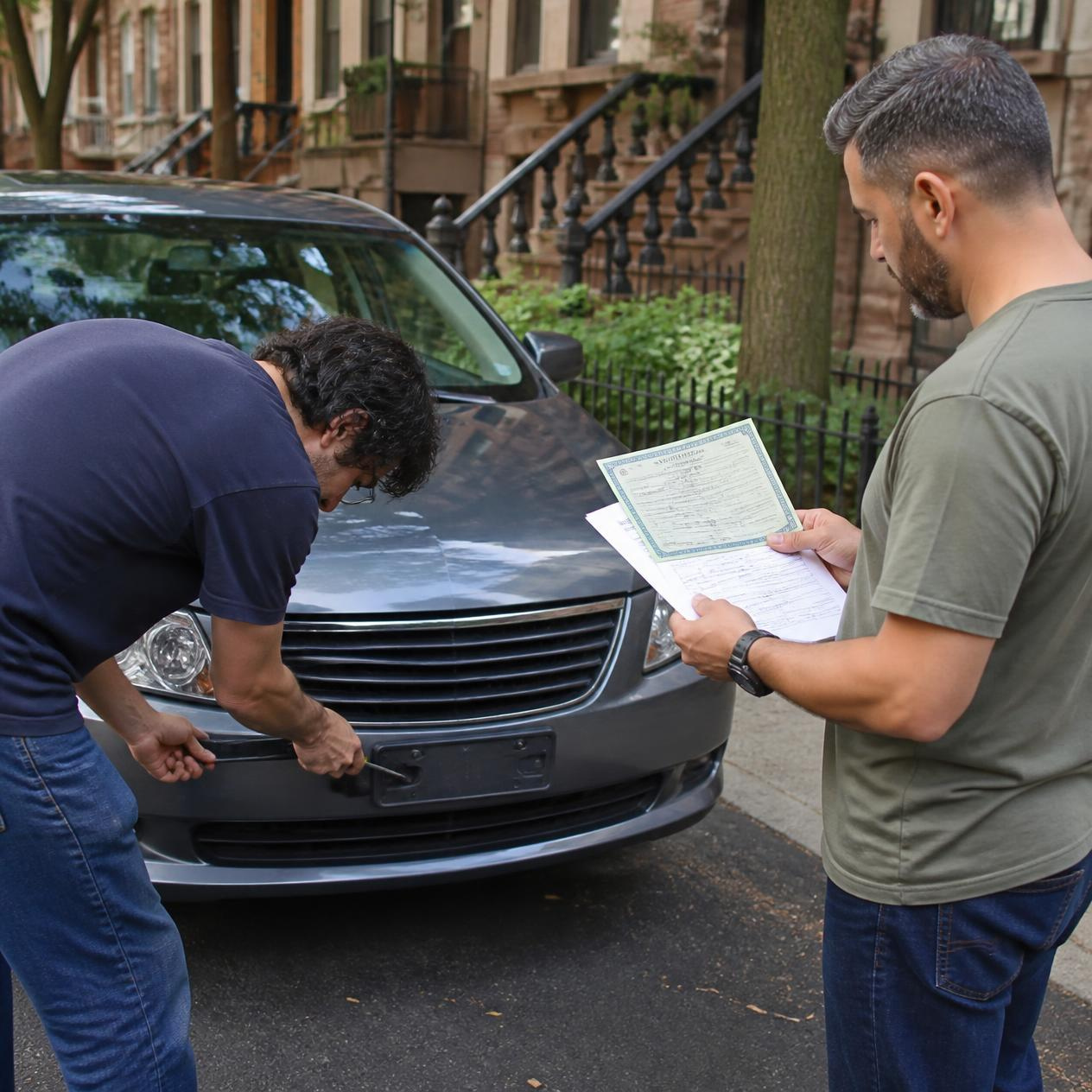
After selling the vehicle, the seller removes the New York plates and registration or inspection stickers.
The seller can:
Transfer the registration and plates to another eligible vehicle.
Surrender the plates to DMV.
Retain eligible custom plates under DMV procedures.
When the seller is not transferring the plates immediately, the plates and registration must be surrendered before liability insurance is cancelled. Failure to surrender them can lead to suspension of the registration and possibly the seller’s driver licence.
The Buyer Must Obtain a New Inspection
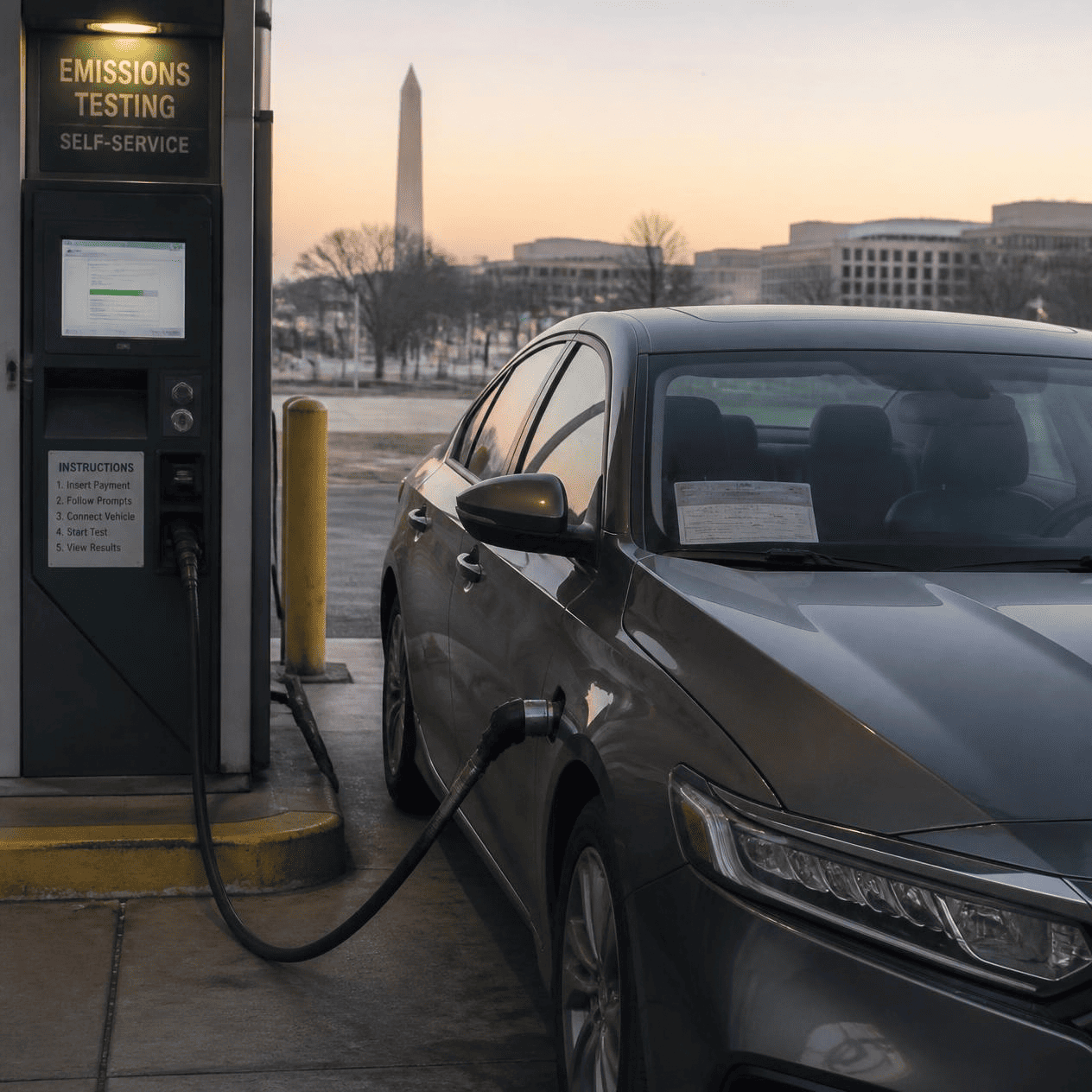
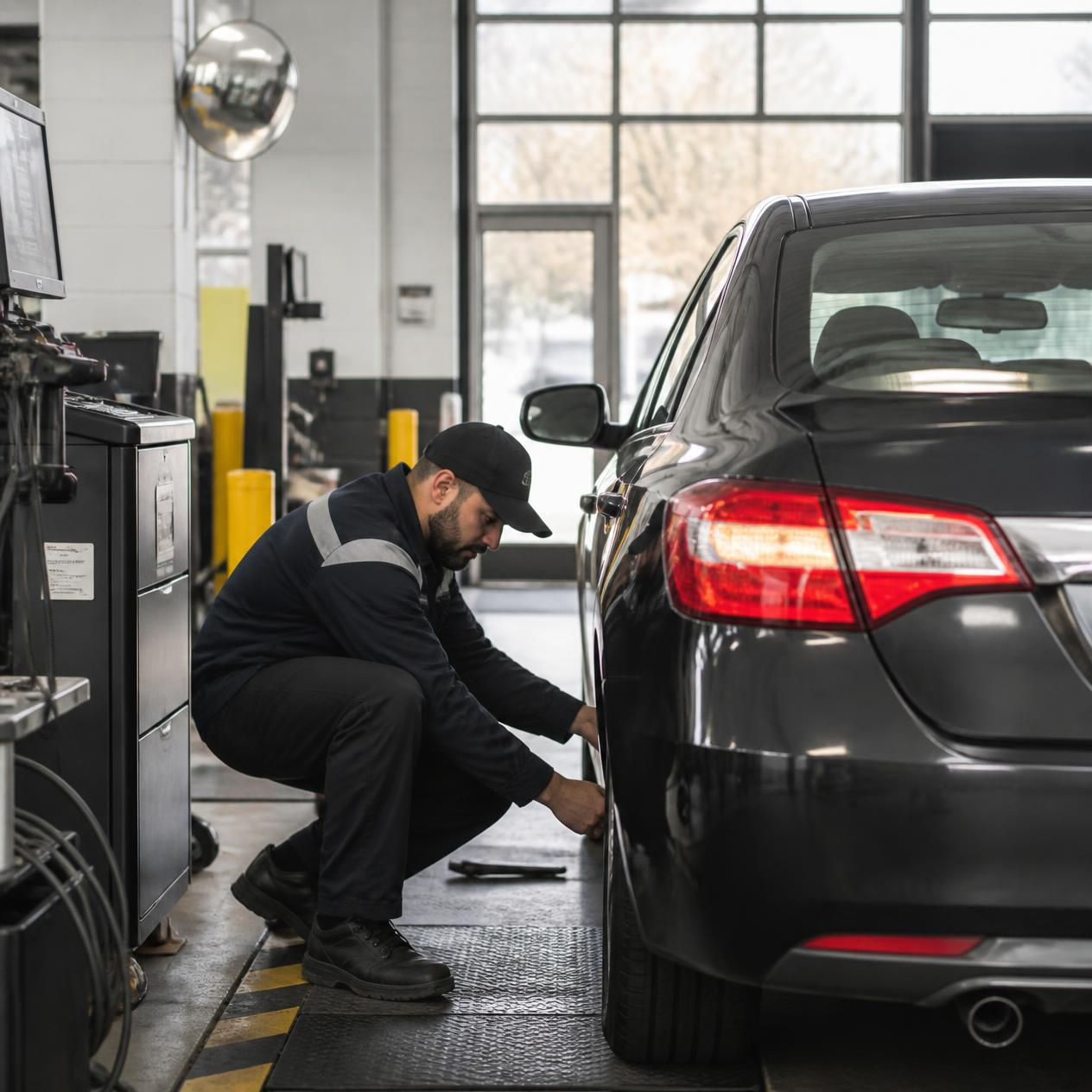
New York requires a safety inspection every 12 months and when vehicle ownership changes. Most inspections also include an emissions-system or onboard diagnostic check.
When the buyer registers a privately purchased vehicle, DMV provides a 10-day inspection extension. The buyer must have the vehicle inspected before that extension expires.
The previous owner’s inspection sticker is not valid for the new registration.
How to Complete a New York Private Vehicle Sale
Verify that the seller is named on the title or transferable registration.
Compare the VIN on the ownership document with the vehicle.
Confirm that every lien has been released.
Complete the title assignment or transferable-registration section.
Complete and sign MV-912.
Complete the odometer and damage disclosures.
Complete DTF-802.
Have the seller remove the plates.
Have the buyer apply for title within 30 days.
Complete the inspection within 10 days after registration.
Verify that the seller is named on the title or transferable registration.
Compare the VIN on the ownership document with the vehicle.
Confirm that every lien has been released.
Complete the title assignment or transferable-registration section.
Complete and sign MV-912.
Complete the odometer and damage disclosures.
Complete DTF-802.
Have the seller remove the plates.
Have the buyer apply for title within 30 days.
Complete the inspection within 10 days after registration.
Common New York Bill of Sale Mistakes
Providing a bill of sale without acceptable ownership evidence.
Treating an unsigned registration as proof of ownership.
Leaving the buyer’s name blank on the title.
Failing to submit the original bill of sale to DMV.
Omitting DTF-802 in a private sale or gift.
Using the previous owner’s inspection sticker.
Cancelling the seller’s insurance before surrendering the plates.
Altering or erasing information on the title.