
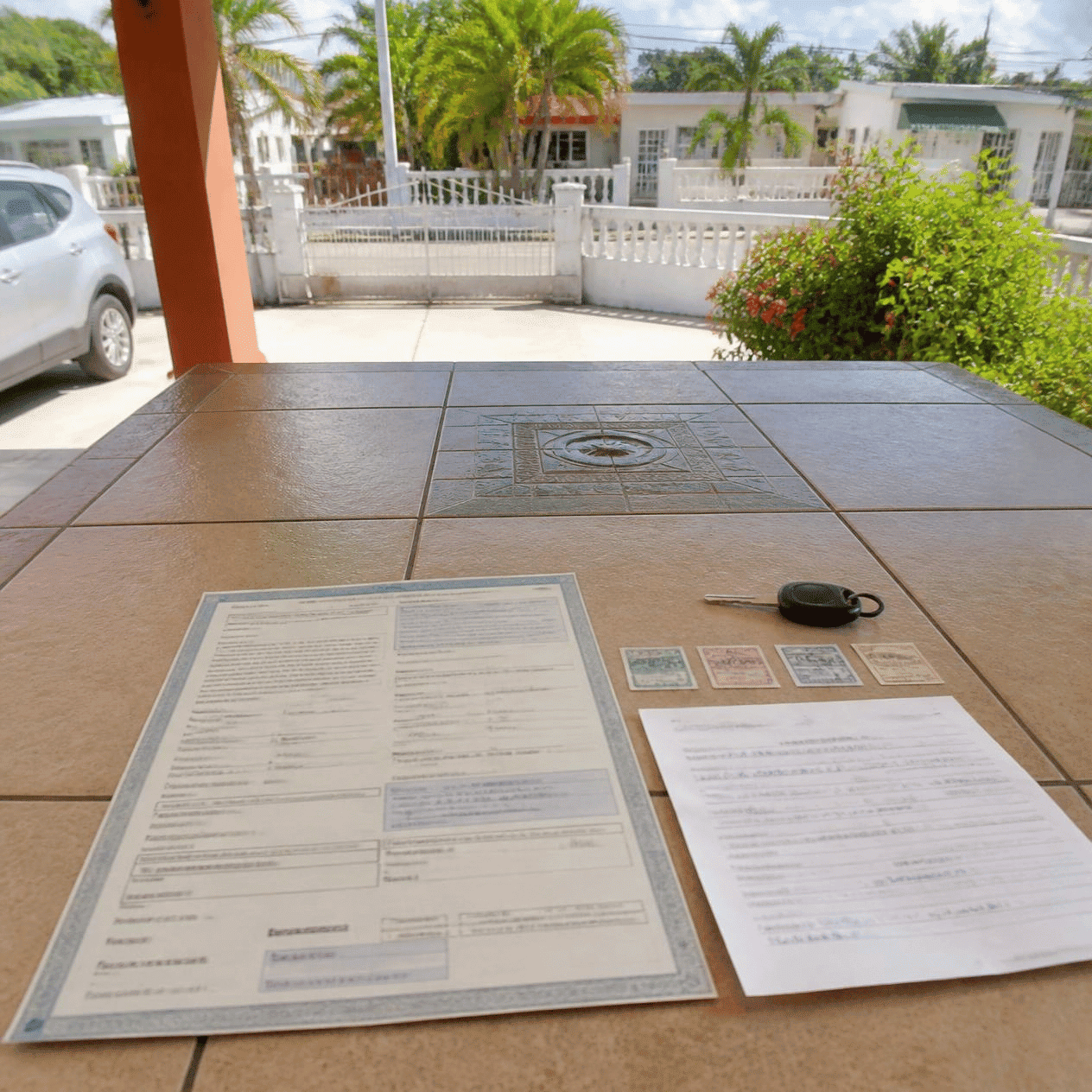
Bill of Sale Sep 22, 2026
The Granite State has its own unique rules. The state deals with harsh winters and mud seasons that can swallow a car. The independent attitude that is prevalent in the state affects how residents purchase a vehicle; many people prefer dealing with local dealers rather than stepping onto a slippery lot at a dealership.
In New Hampshire, many residents buy a used car from a private seller because they want to save money - typically thousands of dollars - by avoiding the middle man and paying only for the vehicle, rather than paying for all of the items included in the dealership purchase.
However, there are laws in New Hampshire that have to do with titles and inspections that could create some problems for even experienced buyers. To help you avoid these complications and have a hassle-free experience when purchasing a vehicle, this guide will cover the following topics.
Reasons to Purchase from a Private Seller - The Granite State Advantage
When you buy a vehicle from an auto dealership located in Nashua or Manchester, you not only pay for your vehicle but also for the following: the dealer's high rent costs, high electric usage, commission paid to dealership staff members, and free coffee provided to customers waiting at the dealership.
Private sellers do not incur overhead costs. Private sellers typically sell their vehicle for one of these two reasons: (1) They purchased a new vehicle and no longer need their old reliable vehicle, or (2) They have an unfinished project car that they would like to sell.
The Financial Windfall You Can Achieve by Engaging in Private Sales
The primary motivation to engage in a private sale is the overall cost associated with the purchase. Dealers must have a markup on cars they sell to make a profit but private sellers generally want to remove the vehicle from their property.
An example of this would be a solid 2008 Nissan Frontier for sale in Keene at a price readily attainable of approximately $2500; most dealerships would have priced a similarly equipped truck for $4000 or more to cover their costs for detailing, inspection, and sales advertising. By purchasing directly from the owner you will keep the difference.
Benefits and Disadvantages to Buying from a Private Seller
There are many aspects to consider when you are looking to purchase a vehicle. Prior to simply going on a listing service and selecting a vehicle you must consider both sides of the equation, the positive and the negative.
Feature | Pros | Cons |
Price | significantly lower than dealerships; room for negotiation. | You have to pay cash or secure your own financing; no payment plans. |
Fees | Zero documentation fees, setup fees, or hidden dealer costs. | You handle all the DMV paperwork yourself. |
History | You can meet the actual driver and ask specific history questions. | No warranties or "certified pre-owned" guarantees. Sold "as is." |
Process | Generally faster; no waiting for finance managers. | You must coordinate schedules to meet and test drive. |
Vehicle Types | Access to unique, older, or project cars not found on lots. | Inspection compliance is on you immediately after purchase. |
Where to Seek Out Bargains in New Hampshire
Even with its small size, New Hampshire has a lot of diversity in its vehicle inventory. For example, down south around the Massachusetts border you'll find plenty of commuter vehicles, while up north you will find plenty of larger 4x4 style trucks and SUVs.
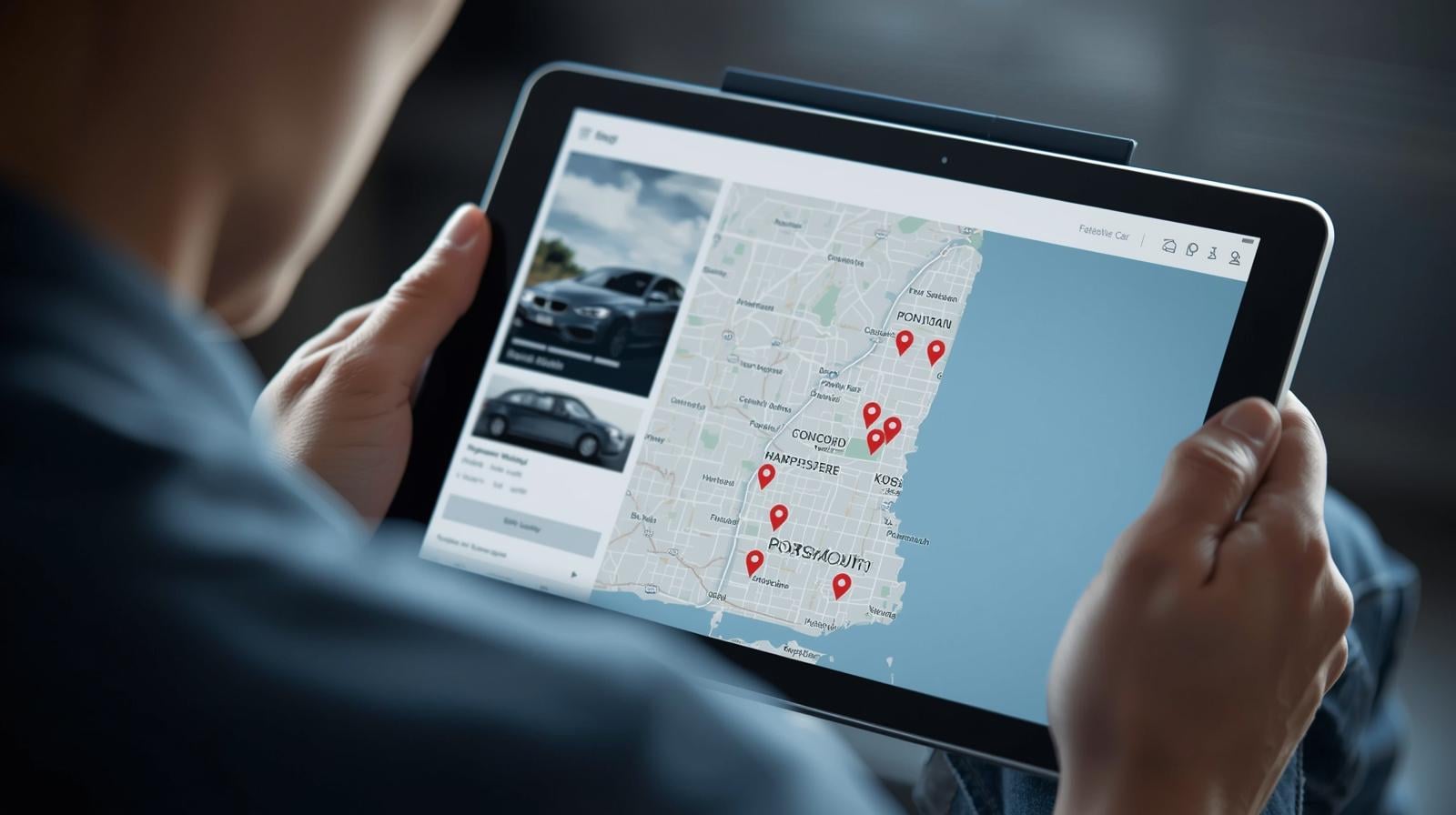
KarKiosk is an example of a marketplace that is location-based and allows you to link up with an individual seller from Portsmouth, Amherst and other locations throughout New Hampshire. Having a more location-based search gives you peace of mind that you are getting a vehicle that is worth the price as well as access to seeing what is available to you in your area.
As you search for your vehicle, please pay attention to:
Sufficient Detail on the Listing: Did the seller provide a Has It Been Serviced prior to this listing or recent repair history?
Serious Pictures: Are the rocker panels visible? (Should have no rust on them)
Reasonable Pricing Structure: Does the price seem unreal?
Reality Check for the Rust Belt
The amount of salt we put on the roads helps keep us safe in January, but also causes vehicles to deteriorate very quickly. When looking at Motor Vehicle sales in New Hampshire (NH) privately for vehicles you should start your inspection under the vehicle before you look at the miles on it.
Examine the Frame:
You need to have your flashlight handy to look underneath the vehicle. Get underneath the vehicle and examine the frame member. Surface rust is normal, but if there are holes in the frame (punctured metal), this is a safety issue and you won't pass the inspection.
Examine the Rocker Panels:
Rocker panels are metal strips that are located under each of the doors. In New Hampshire these areas usually rust from the inside out. If there are signs of rust (bubbles) or they are soft, I would walk away from this unit unless you are a metalworker.
The New Hampshire Title Twist: Year 2000 Rule
This is where everyone is misled. You can only get a vehicle title in New Hampshire if you understand their model year 2000 cutoff before sending them money!
For 2000 Model Year and Newer Vehicles:
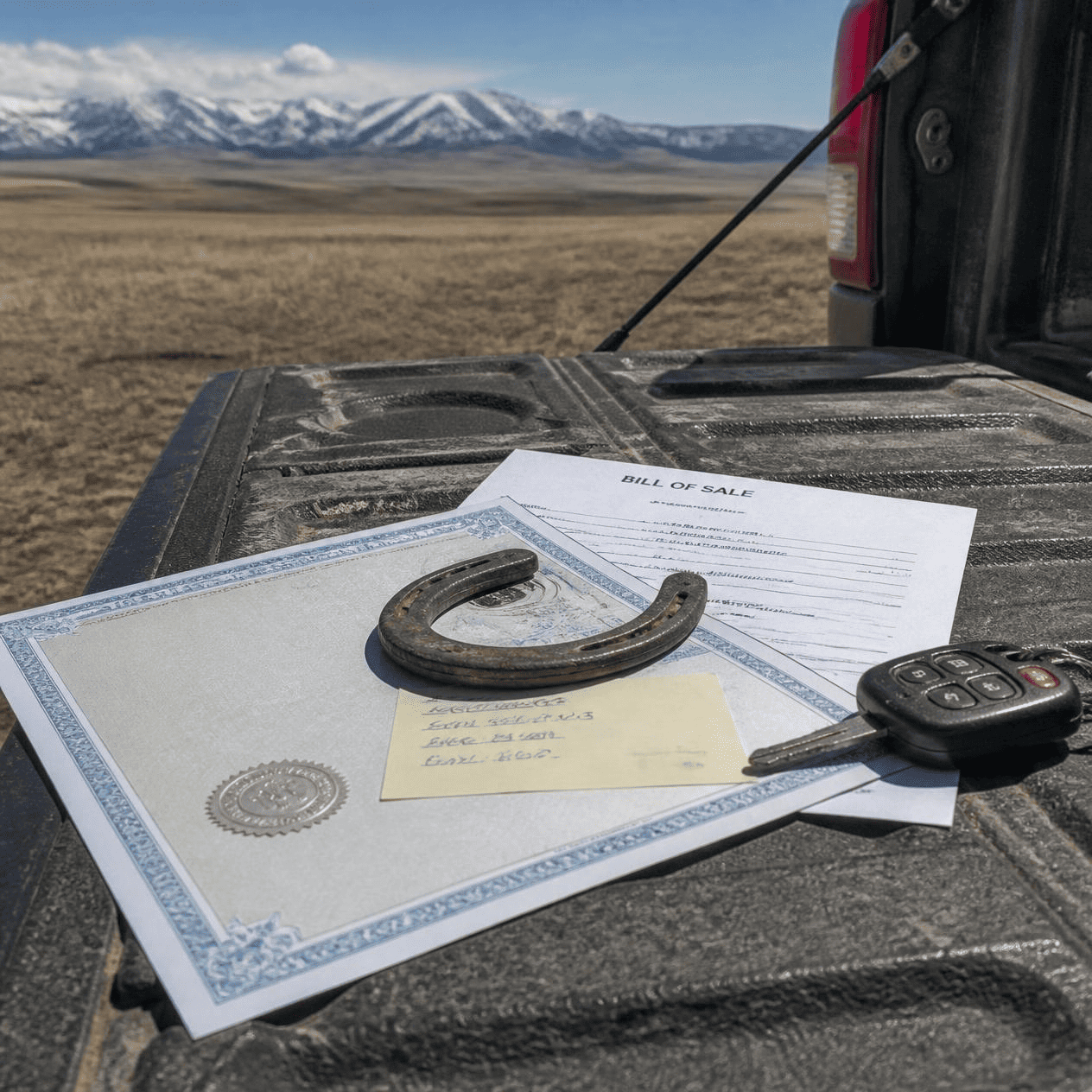
A seller must hold the title on the vehicle being sold- No exceptions. A seller must sign the back of the "Certificate of Title" to the buyer. If a seller tells you they have lost it must tell them to get a duplicate from the DMV before buying it from them. Do not purchase a 2005 vehicle with a bill of sale only!
Vehicles Model Year 1999 & Older
New Hampshire does NOT issue titles for these vehicles or ever; you cannot get one. So how do you prove you're the owner?
You require a Bill of Sale.
You require the seller's current or expired NH Registration Certificate.
OR you need the title to that vehicle(if they still have the original title). However, if you have the seller's registration, the title is not strictly necessary for completing the transfer.
For instance, if you were to purchase that 1999 Chevy Tahoe in Laconia, you would require the previous owner's registration to show you that the seller actually owns it.
Vehicle Year | Document Required from Seller | Action Required |
2000 - Present | Original Certificate of Title | Seller signs "Assignment of Title" on back with odometer reading. |
1999 - Older | Bill of Sale + Previous Registration | Seller provides Bill of Sale and their copy of the registration. Title is optional but helpful. |
Two-Step Registration Process
In many states you can just walk into the DMV and get registered, but that's not the case in New Hampshire. We prefer to keep it local, so registering your vehicle is a 2-step process.
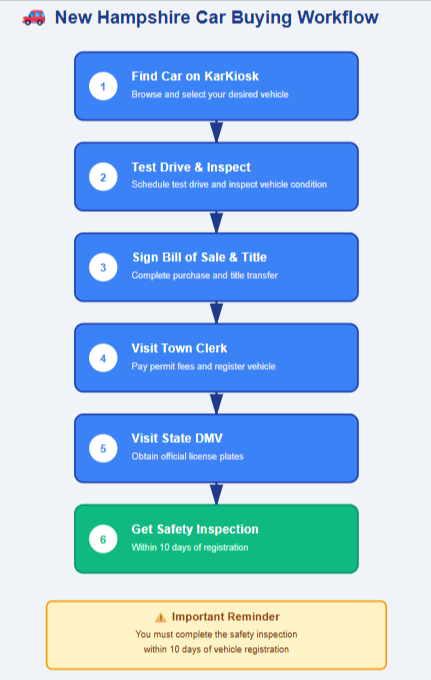
Step 1: Go to the Town Clerk
You must first visit the Local Town/City Clerk's Office (East Merrimack or Portsmouth). Bring with you the necessary paperwork and proof of residency. You will pay your "permit fees" to the local town by doing this. This is where the funds will stay.
Step 2: Go to the State DMV
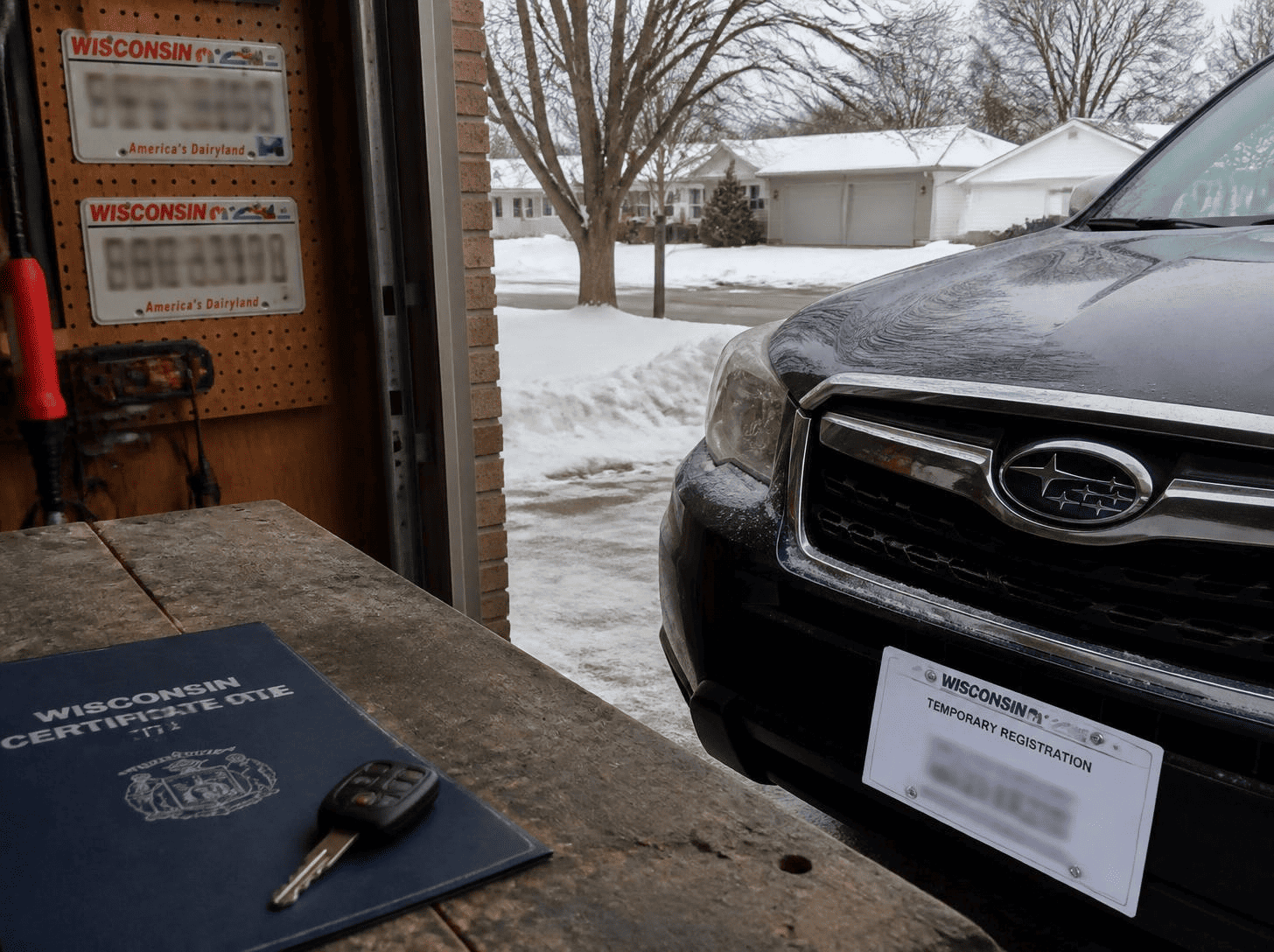
Once your Local Clerk has issued you a permit, you may take that permit as well as the necessary paperwork to the State DMV (or they may process your registration at the Local Clerk's Office). At the State DMV you will receive your license plates/stickers.
The Inspection Clock is Ticking
Here’s the catch: You have 10 days.
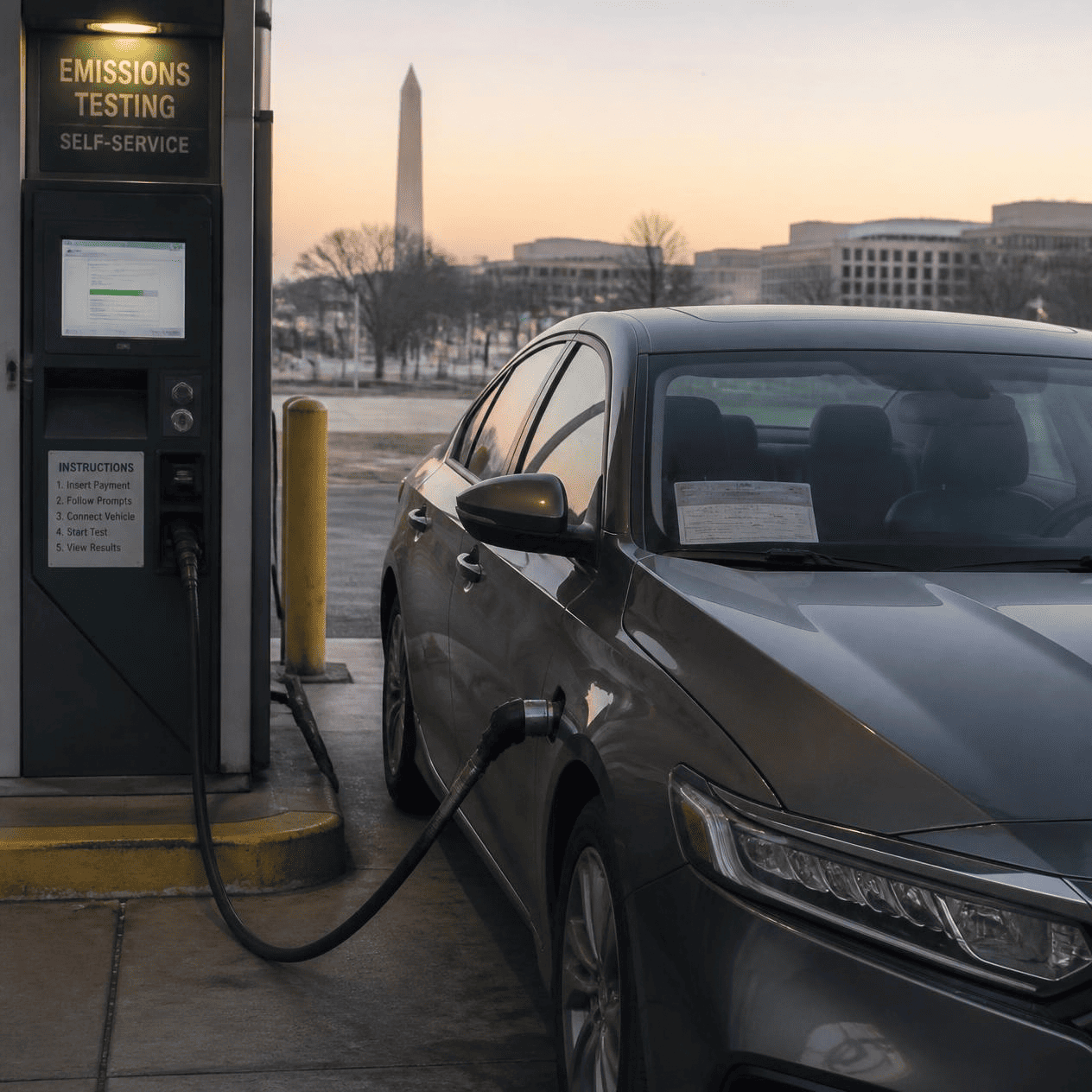
After you register your vehicle, you will have 10 days from that date to have it inspected at a licensed inspection center. This applies even if the previous owner of the vehicle had it inspected last month. The inspection is not transferable to the new owner.
If you purchase a vehicle that does not pass an emissions inspection, has bad tires, or has substantial rust, you will have a vehicle that you cannot drive until you repair it. For this reason it is critical that you have a pre-purchase inspection performed prior to purchasing the vehicle. If the seller will not allow you to take the vehicle to a mechanic to have it inspected, this should be considered a red flag.
Expect Pricing in New Hampshire’s auto market.
The auto market in New Hampshire has a significant amount of variance due to buyers’ needs with trucks and SUVs selling for a higher price due to New Hampshire’s climate. Four-wheel-drive vehicles typically sell for more than sedans in New Hampshire.
Using recent data, below is a snapshot of prices asked by private sellers across New Hampshire by type of vehicle.
Vehicle Type | Example Model | Location | Price Estimate |
Winter Beater / Work Truck | 2008 Nissan Frontier | Keene | ~$2,500 |
Family SUV | 2011 Chevy Traverse | Attleboro Area | ~$6,000 |
Reliable Commuter | 2013 Toyota Corolla | Williston Area | ~$7,999 |
Luxury Sedan | 2016 Audi S6 | Amherst | ~$32,500 |
Heavy Duty Truck | 2021 Ram 1500 | East Merrimack | ~$85,000 |
There are many different makes & models available in the marketplace. If you are in the market for just a basic solid vehicle under $8K, you won't have any problems finding one; however, if you are looking for a nearly new heavy-duty vehicle, you can expect to pay a premium price, even for your private purchase.
Make the Purchase Safely
The most important thing when you make your purchase is safety—safety first.
Meet Safely—In a Public Place: A great place to meet is in the parking lot of a Police Station.
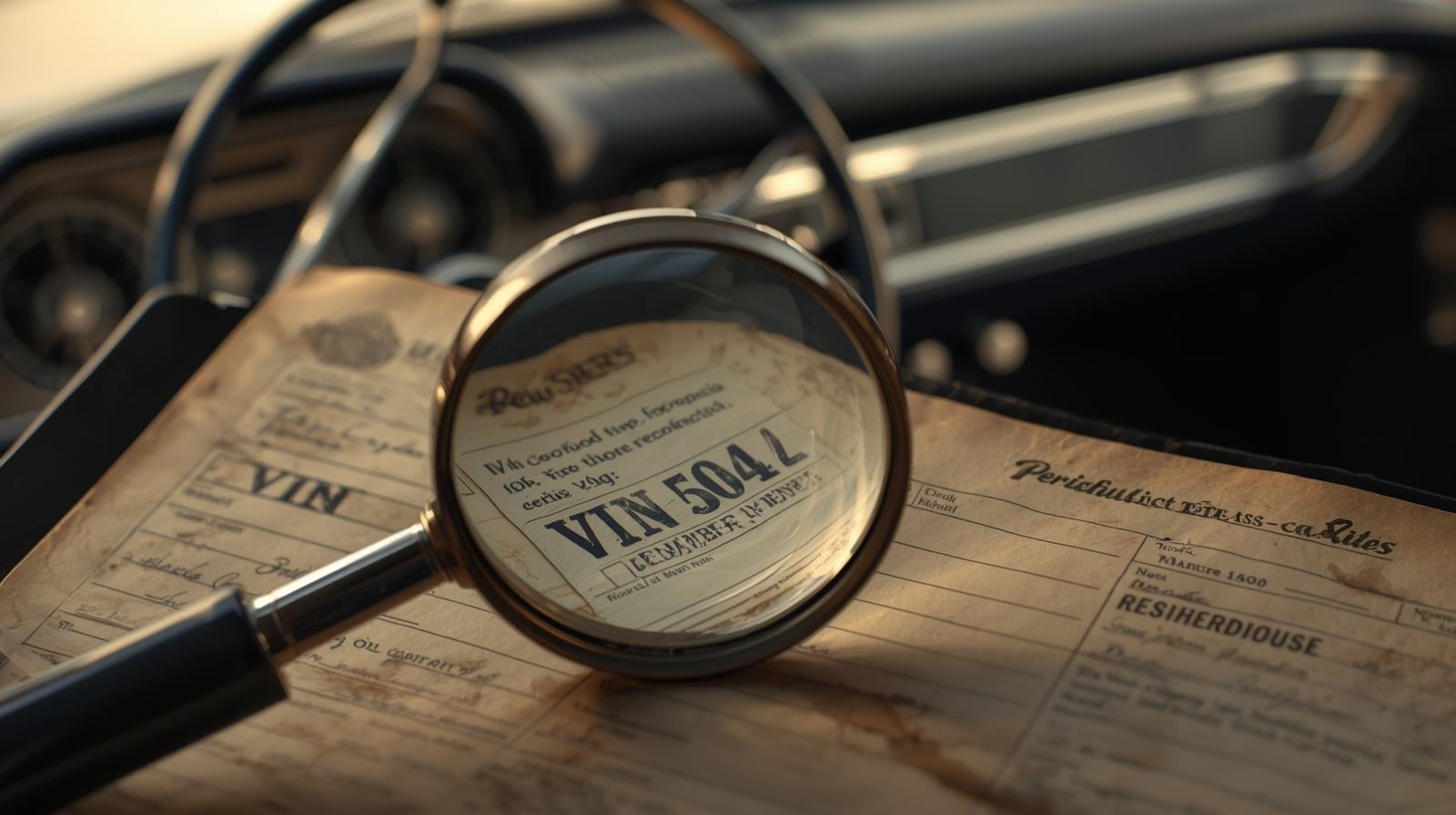
Verify the VIN— You can check the VIN on the dashboard against the VIN on the title/registration; they must match.
Use a Cashier's Check or Cash— You should never wire money to anyone you have never met.
Final Thoughts
Purchasing a Vehicle in New Hampshire is a momentous task. While there is a little more work involved than just showing up at a dealership and buying a vehicle, the outcome outweighs the inconvenience. You will receive a unique vehicle; you will pay an affordable rate; you will receive a large degree of satisfaction from doing the purchase yourself.
Just keep in mind that you have to check the frame for rust; you need to be aware of the title rules for vehicles acceptable for purchase for the year 2000; you must have the vehicle inspected within 10 days of purchase. Happy hunting!